Avatar Generator From Picture: A Practical How-To
Learn how to convert a photo into a personalized avatar with an easy-to-use avatar generator from picture. This guide covers privacy, input prep, style options, exports, and practical tips for consistent branding.


By following this guide, you will turn a photo into a personalized avatar using an avatar generator from picture. You’ll prepare a suitable portrait, select a style, generate multiple variations, and export high-quality avatars for branding, social profiles, or game avatars. The steps emphasize privacy, consent, and consistent styling. This quick answer helps you start confidently.
What is an Avatar Generator from Picture?
An avatar generator from picture is a software tool—often powered by artificial intelligence—that transforms a real photo into a stylized digital avatar. These tools analyze facial features, lighting, and pose, then apply a chosen art style or theme to create a new image that represents you or your brand. For homeowners, property managers, and creators, this technology offers a fast way to produce recognizable avatars for profile pictures, branding materials, virtual meetings, and social media. The key is to start with a clear, well-lit photograph and choose a style that aligns with your intended use. With the right approach, you can generate avatars that preserve essential likeness while embracing an expressive, cohesive look. The phrase avatar generator from picture captures the core idea: a picture-based generator that outputs ready-to-use avatars.
As you explore tools, remember that different platforms emphasize different outcomes—cartoonish, painterly, or photorealistic results. Your goal should be to select a tool that offers the level of stylization you need and provides outputs suitable for your channels. In this context, consistency across platforms matters: choose a style that remains recognizable whether you display it on LinkedIn, your website, or a client portal. In short, an avatar generator from picture helps you translate a photo into a flexible digital identity.
How It Works: From Photo to Avatar
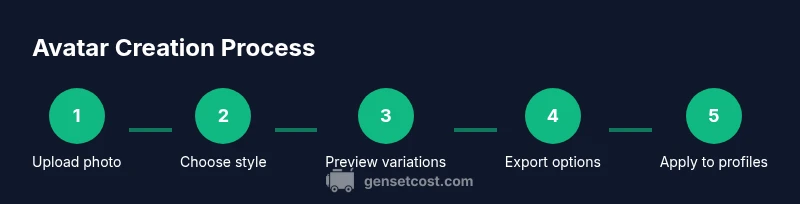
The journey from a source photo to a polished avatar typically follows a predictable pipeline. First, you upload a portrait or selfie to the chosen avatar generator from picture. Next, you select a style—options range from clean vector art to brush-stroke paintings or 3D renders. The system then analyzes facial landmarks for proportions, eye shape, mouth position, and lighting, and applies the selected style to produce one or more avatar variations. Finally, you review the results, refine features (such as hair, color palette, or background), and export the final avatar at your preferred resolution and file format. Some tools offer batch processing, allowing you to generate several avatars in minutes. Throughout this process, you should balance fidelity with style to ensure your avatar remains recognizable while fitting your brand or personal aesthetic.
Choosing the Right Avatar Generator from Picture
When selecting an avatar generator from picture, prioritize features that align with your goals. Look for a library of styles that match your brand personality and assess export options (PNG, JPG, SVG, or even transparent backgrounds). Consider resolution limits—if you need high-resolution avatars for print or banners, confirm the maximum output size. Check privacy policies and data usage terms; some tools retain images to improve algorithms, which may affect sensitive photos. Assess ease of use and the ability to tweak facial features, skin tones, hair color, and backgrounds. Finally, evaluate pricing models: many tools offer free presets with paid upgrades for higher quality, commercial rights, or extra features. A strong choice supports consistent branding across channels and supports future scaling of avatar production.
Privacy, Consent, and Safety Considerations
Privacy and consent are critical when transforming photos into avatars. Always use images you own or have explicit permission to modify. Review each platform’s terms of service to understand data usage, retention, and whether your uploaded photo becomes part of a dataset. If you’re creating avatars for clients or team members, obtain written consent and consider anonymizing source images where possible. Favor tools that offer local processing or secure servers, and avoid platforms that require broad access to your files or personal data. Finally, be mindful of licensing for avatars used in commercial settings, ensuring you hold the rights to reuse and modify the output across media.
Preparing Your Source Image for Best Results
The raw photo sets the foundation for a high-quality avatar. Start with a clear, well-lit portrait where your face is centered and fully visible. Use a neutral background or a solid color to reduce distractions, and crop to include the head and shoulders for optimal facial feature capture. If possible, shoot at eye level with natural light to minimize harsh shadows. Before uploading, resize the image to a practical resolution (for example, 1024x1024 pixels) and save a high-quality copy. Avoid heavy filters and excessive edits on the source photo, as these can distort facial landmarks during the transformation. Finally, keep a backup of the original image so you can revert without quality loss if you want to experiment with different styles later.
Styling and Customization Options
Avatar generators from picture typically offer a range of styling options that dramatically affect the final look. Choose among illustration styles (cartoon, vector, watercolor), realism levels (stylized to near-photoreal), and color palettes (warm tones, cool tones, monochrome). You can usually adjust background, clothing, accessories, and facial features to preserve your likeness while aligning with your brand. For branding, select a consistent style across all avatars to create a cohesive identity. Some tools enable preset branding kits, where you apply a color scheme and font-suggested elements to multiple avatars. If you have a team, consider creating multiple personas (e.g., customer-facing, leadership, support) with distinct but related styles.
Quality, Resolution, and Export Formats
Export quality matters for different channels. For digital use, PNG with a transparent background is ideal for overlays on websites and dashboards; for social profiles, high-resolution JPGs are common. If print is on your radar, ensure the tool supports at least 300 DPI and provides vector exports or scalable formats. Be mindful of color profiles (sRGB is standard for web, Adobe RGB for printing) and consider exporting multiple sizes: a square 1024x1024 for profile pictures, a larger one for banners, and a thumbnail variant for feeds. Some platforms also support animated avatars or GIF exports—useful for certain marketing contexts, but verify usage rights if you plan to monetize the output.
Keep a consistent export workflow so you can replace avatars across channels without rework. Saving presets for color, background, and style can speed up future avatar generations while maintaining brand cohesion.
Common Pitfalls and How to Avoid Them
Even with strong tools, easy mistakes can undermine results. Uploading low-resolution or badly lit photos often yields blurred or unrecognizable avatars. Over-relying on a single style can produce a static identity; rotate between a few approved looks to maintain versatility while remaining on-brand. Be cautious of watermarks or license restrictions that accompany free tiers. If an avatar looks overly cartoonish or too close to a real photo, test variants to determine which style communicates the intended message. Finally, neglecting accessibility—such as color contrast and readability on dark backgrounds—can reduce the avatar’s effectiveness in certain contexts.
Integrating Avatars into Your Brand and Profiles
Once you have a set of avatars, integrate them consistently across all touchpoints. Use the primary avatar for executive profiles, team pages, and investor decks, while supporting avatars can populate social icons, event badges, or onboarding screens. Align background color, posture, and clothing with your brand guidelines to reinforce recognition. Create a simple asset library with versioned files and clear licensing terms, so teams can reuse avatars without duplication or misrepresentation. Periodically refresh avatars to reflect updates in branding, but maintain core features that keep you recognizable to your audience.
Advanced Techniques: Layering, Editing, and Fine-Tuning
For power users, augment avatar generation with manual edits to fine-tune details. Import generated avatars into a photo editor to adjust lighting, contrast, or color balance. Layer custom backgrounds, texture overlays, or subtle shading to give depth. You can combine multiple iterations to craft a composite avatar that balances likeness and style. If you’re comfortable with vector workflows, convert raster outputs to vector format for scalable branding assets. Always keep the original photo and the generated avatar files organized in clearly named folders to support future updates.
Future Trends: AI-Driven Personalization and Ethics
The landscape for avatar generation continues to evolve with personalized AI models, more expansive style libraries, and smarter background replacement. Expect improvements in real-time refinement, context-aware expressions, and accessibility-friendly features. However, ethical considerations grow alongside capability: ensure consent, respect privacy, and manage licensing so avatars aren’t misused. With the right practices, avatar generators from picture will remain powerful tools for personal branding, user onboarding, and digital identity maintenance while upholding responsible AI usage.
Tools & Materials
- Device with internet access(Stable connection improves upload and processing speeds)
- Avatar generator from picture platform(Choose a reputable tool with clear privacy terms)
- Source photo (headshot, good lighting)(Original photo preferred; resolution at least 1024x1024 is ideal)
- Written consent for the image (if not yours)(Required when using someone else’s photo or client photos)
- Optional photo editor (e.g., for minor adjustments)(Useful for precise cropping or color tweaks)
- Notes on licensing and terms of use(Record rights for commercial use and distribution)
Steps
Estimated time: 30-60 minutes
- 1
Define your goal and scope
Clarify how you will use the avatar (brand, profiles, team pages) and what style fits your audience. Document preferred outputs and required formats for consistency.
Tip: Write down your use cases and required dimensions before choosing a tool. - 2
Prepare your source image
Select a clear portrait with even lighting and a neutral background. Crop to show head and shoulders, ensuring the face is centered.
Tip: Save a high-resolution master copy before editing. - 3
Choose a tool and style
Pick a platform that offers multiple art styles and adjustable parameters. Align the chosen style with your brand voice and audience expectations.
Tip: Test at least 3 styles to compare recognizability. - 4
Upload and generate variations
Upload the photo and generate several avatar variants. Use batch processing if available to speed up the process.
Tip: Keep notes on which style and settings produced the best result. - 5
Refine features and colors
Tweak facial features, hair color, skin tone, and background to better match your identity or branding.
Tip: Use small adjustments—drastic changes can reduce recognizability. - 6
Test accessibility and readability
Check how avatars appear on different backgrounds and screen sizes. Ensure contrast and clarity for profile pictures.
Tip: Preview on mobile devices to confirm legibility. - 7
Export in required formats
Export the final avatar in PNG with transparent background and JPG for social profiles. Save vector or scalable formats if available.
Tip: Export multiple sizes for不同 channels. - 8
Create a branding kit
Store your primary avatar and alternative variations in a shared library with consistent naming and licensing notes.
Tip: Document usage rights and attribution requirements. - 9
Review privacy and licensing
Confirm data handling practices and ensure licenses cover all intended uses (commercial, promotional, reproduction).
Tip: Keep a copy of the tool’s terms for future reference.
People Also Ask
What is an avatar generator from picture?
An avatar generator from picture is a tool that converts a real photo into a stylized avatar using AI. It accepts a portrait as input, applies a chosen style, and outputs one or more avatars suitable for profiles and branding.
An avatar generator from picture turns a photo into a stylized avatar using AI, producing ready-to-use images for profiles and branding.
Which images work best for avatar generation?
Images with clear facial visibility, good lighting, and a simple background yield the best results. Avoid extreme angles or heavy edits before generation to maintain recognizable features.
Images with clear faces and good lighting work best for turning into avatars.
Are there privacy risks with avatar generators?
Yes, some tools may retain uploads or use them to train models. Always review privacy policies and prefer platforms that offer local processing or opt-out options for data retention.
Some tools may retain uploads; check privacy policies and prefer secure processing.
Can generated avatars be used commercially?
Most tools permit commercial use, but licensing terms vary. Verify rights for the specific avatar and any presets or backgrounds used during generation.
Commercial use is usually allowed, but confirm licensing terms for your chosen tool.
What export formats should I look for?
Look for PNG with transparency, JPG for web use, and vector formats if available. Having multiple sizes helps across different channels.
Export in PNG or JPG, plus any available vector formats, and save multiple sizes.
How long does it take to create an avatar?
Generation typically takes a few minutes per batch, depending on tool speed and server load. Allow extra time for refinements and exports.
Usually a few minutes per batch, plus time for tweaks and exports.
Watch Video
Key Takeaways
- Define intent and required outputs before generation
- Choose a tool with clear privacy terms and flexible styles
- Prepare high-quality source images for best results
- Export in multiple formats and maintain a branding library