Half Elf Name Generator: Create Realistic Fantasy Names
Master the art of crafting authentic half-elf names with a practical generator approach. Learn patterns, blending rules, pronunciation tips, and step-by-step methods to fuel your worldbuilding and storytelling.


A half elf name generator helps you quickly produce believable names for half-elves by blending elven and human linguistic patterns. You set preferences for syllable count, phonemes, and cultural flavor, then review generated options and refine them to fit your world. This guide shows how to use such a tool effectively for character naming, lore consistency, and evocative worldbuilding.
What is a half elf name generator?
A half elf name generator is a practical tool for crafting believable names for half-elves in fantasy settings. It blends elven and human linguistic patterns to produce names that feel authentic rather than contrived. In writing, RPG campaigns, and worldbuilding projects, this kind of generator helps you quickly generate options, test different tones, and maintain cultural consistency across characters. A good generator isn't a black box—it offers control knobs: the language mix, syllable length, and naming conventions you want to emphasize. When you start with a clear brief—geography, history, and societal norms—the output names align with your setting and avoid anachronisms. Using a half elf name generator often saves hours of manual brainstorming while giving you a catalog of options to draw from for character dossiers, quest hooks, and dialogue. The technique works whether you prefer a rules-based approach or an AI-assisted workflow.
Why use a half elf name generator?
Names carry lore. A half elf name generator helps you quicken worldbuilding, ensure cultural flavor, and improve readability for readers and players. It is especially valuable when you need multiple characters with distinct but coherent naming lines—common in party rosters, novels, and tabletop campaigns. The generator can enforce consistency across regions, dynasties, or magical schools, so you don't end up with a dozen wildly different naming styles. By experimenting with different syllables and suffixes, you can intentionally evoke ancestry, magical lineage, or social status. For writers and game masters who juggle pacing, a generator provides ready-to-use options, plus the ability to tweak them on the fly during play. It also lets you test how names sound when spoken aloud, guiding toward pronounceable and memorable options. As with any naming tool, the goal isn't to replace creativity but to accelerate it and reduce backtracking.
Core linguistic features of half-elf names
Half-elf names often blend two language streams: the musical, soft vowels and flowing consonant clusters associated with elven tongues, and the harder, pragmatic edges typical of human names. Common patterns include a two-part structure (given name plus a surname), a preference for melodic vowels, and frequent use of soft suffixes like -iel, -ara, or -eth. Consonant clusters such as br, ld, th, and v often appear, but many editors favor simpler combinations to improve readability. Gender in fantasy naming is fluid; many players and authors use unisex names for half-elves or inverse gendered suffixes for flair. Using a generator, you can set parameters for syllable count, preferred phonemes, and name length. This helps you capture the feel of a particular region—coastal cities may favor flowing endings, while mountain realms lean toward sharper consonants. The net effect: names that sound cohesive, timeless, and rooted in your setting’s lore.
Combining elven and human naming conventions
To craft convincing half-elf names, think of two cultural streams and how they interlace. Elven names often emphasize phonetic harmony, softer consonants, and airy vowel progressions. Human names tend to be shorter, with clear syllable boundaries and recognizable phonotactics. A practical approach is to create seed pools for each culture and then blend them in structured ways: prefix from elven roots + core from human roots + suffix that hints at status or lineage. You can also alternate between fuller given names and shortened forms to reflect social context. For example, a noble half-elf might carry a lilting given name and a double-barreled surname, while a commoner would have a shorter moniker with a simple family name. A generator helps you experiment with many combos rapidly, enabling you to map names to regions, social ranks, or magical affiliations. The result is a cohesive naming system rather than a random assortment.
Step-by-step: Generate your own half-elf name
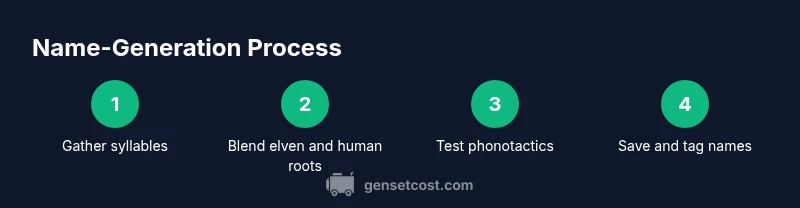
This section provides a practical workflow to generate your own half-elf names. Start by establishing your world’s flavor, then combine elven and human syllables to assemble candidates. Use the generator to explore dozens of options, prune by pronounceability, and test how the name fits different characters and locales. Keep notes on why a name works or doesn’t, so you can reuse patterns later. For a concrete example, build a 3-syllable given name from an elven seed pool and append a human-sounding surname. If you run into awkward consonant clusters, swap a vowel or tweak a suffix to smooth pronunciation. Document variations for formality, nickname usage, or historical periods within your world. This approach yields a robust name catalog rather than one-off leftovers, helping you stay consistent as your setting expands.
Pronunciation and spelling tips
Pronunciation matters as much as spelling. Favor patterns that reduce ambiguity when spoken aloud—avoid rare clusters that trip readers or players. Opt for names with alternating vowels and consonants that roll off the tongue, and keep endings that readers can comfortably say. When introducing a new name in dialogue, provide a brief phonetic cue in parentheses if your world uses unusual sounds. For game masters, client users, or writers, a simple pronunciation guide helps readers across cultures within the story. For example, a name ending in -iel might be pronounced ee-el, not ee-uhl. You can also standardize a single spelling across all documents to minimize confusion. Practice aloud and test with peers to gauge natural pronunciation and memorability.
Adapting names to tone and setting
Tone influences naming choices more than you might think. A high-fantasy realm with ancient treaties may favor melodic, multi-syllabic names with soft endings, while a gritty frontier world benefits shorter, punchier names with sharper consonants. If your setting features trade routes and cosmopolitan hubs, mix cross-cultural elements more aggressively to reflect cultural exchange. In contrast, isolated regions might lean toward conservative, clan-based surname patterns. A generator makes it easier to experiment with various tones—then you can select a name set for major characters, side characters, and background NPCs. Documentation of preferences (syllable length, phoneme sets, suffix choices) helps you scale naming without losing voice across scenes, chapters, or sessions.
Validation, pronunciation, and testing in-game or writing
Validation happens best when you test names in context. Read names aloud in dialogue, test their appearance in headings, and note how readers respond to different name structures. Create quick lists to compare readability, memorability, and how well the name signals ancestry or status. You can run a simple pronunciation drill with friends or players to identify names that feel clunky or too exotic for your audience. Keep a central repository of successful patterns and rejected candidates, tagging them by region, clan, or magical affiliation. This saves time during worldbuilding sprints and helps you maintain consistency as your setting grows. A disciplined approach to validation prevents accidental mismatches and strengthens your world’s credibility.
Practical examples: name lists and templates
Below are example name templates to spark ideas. You can mix prefixes, cores, and suffixes to tailor tone, region, and culture. Example 1: Prefix (Elven): Lira- + Core (Human): -thon + Suffix: -iel → Lirathoniel. Example 2: Prefix (Elven): Va- + Core (Human): ren + Suffix: -ara → Varenara. Example 3: Prefix (Elven): Ael- + Core (Human): mir + Suffix: -eth → Aelmireth. Example 4: Prefix (Elven): Elar- + Core (Human): dor + Suffix: -iel → Elarodriel. Example 5: Short form for dialogue: Nara + Sil → Narasil. These templates show how to balance length, rhythm, and cultural flavor for your world.
Tools & Materials
- Computer or mobile device with internet access(For using online name generators or storing lists)
- Notebook or digital note app(Keeps track of syllable pools, patterns, and why each name works)
- Prebuilt syllable pools (elven and human seeds)(Two culture seed lists to blend from)
- World-building brief (optional)(Geography, language family, and cultural notes to guide naming)
- Name templates (prefix-core-suffix)(Structuring tool to facilitate consistent naming)
- Pronunciation guide or phoneme reference(Helpful for testing readability)
Steps
Estimated time: 30-45 minutes
- 1
Define your world context
Start by outlining the world’s geography, cultures, and language families. Decide whether elven influences are lyrical and fluid or formal and archaic, and choose how closely you want human naming conventions to mirror real-world patterns. The better your world brief, the more cohesive your names will feel.
Tip: Attach a one-sentence world vibe to each region to guide syllable choices. - 2
Gather syllable seeds from both cultures
Create two pools of syllables—one for elven roots and one for human roots. Include vowels, consonants, and common endings you want to use. Aim for a balance: avoid overwhelming with too many rare sounds while preserving a sense of fantasy realism.
Tip: Label seeds by tone (soft, sharp, magical) to simplify later mixing. - 3
Blend roots to form candidate names
Combine elven prefixes with human cores and finish with a culturally resonant suffix. Experiment with different syllable lengths and stress patterns to achieve a natural cadence. Use a simple spreadsheet or generator to automate many options.
Tip: Try at least 20 variations to compare flow and memorability. - 4
Check pronounceability and rhythm
Read each candidate aloud, noting where the tongue trips or syllables feel crowded. Favor names that roll off the tongue in dialogue and feel distinct from typical fantasy names.
Tip: Flag any tongue-twisters for simplification. - 5
Validate against world tone and region
Ensure the name aligns with the region’s tone, social status, and magical associations. A coastal region may favor melodic endings, while a desert realm might use harsher consonants.
Tip: If possible, map names to a map or family trees for consistency. - 6
Document and tag successful patterns
Record patterns, syllable pools, and why certain names work. Tag them by region, clan, or era so you can reuse patterns for future characters or updates to your setting.
Tip: Build a reusable naming kit rather than one-off names. - 7
Save and integrate into your workflow
Export your final list to a shared document or character bible. Use the best names in primary characters and keep backups for side characters and NPCs.
Tip: Regularly refresh your name pool to avoid repetition across campaigns.
People Also Ask
What is a half elf name generator?
A tool or process that blends elven and human naming patterns to produce believable half-elf names for fantasy settings.
A tool that blends elven and human name styles to create realistic half-elf names for your world.
Can I customize the generator for a specific region or culture?
Yes. You can filter syllables by culture, adjust syllable length, and set preferred suffixes to reflect a region’s tone or history.
Yes. You can tailor syllables and suffixes to fit a region’s vibe.
Are generated names pronounceable in dialogue?
Most generated names are designed for readability and speakability. If a name feels awkward, adjust the syllable pools or shorten the name length.
Most names are easy to say; if not, tweak the syllables for smoother pronunciation.
Should I use gendered or unisex names for half-elves?
Both approaches work; many settings use unisex or flexible names to reflect complex identities. Decide based on your world’s cultural norms.
Your world decides whether names signal gender; many settings use unisex names for flexibility.
How should I store and organize generated names?
Use a structured catalog (spreadsheet or database) with fields for region, culture, tone, and notes on usage.
Keep names in a catalog with notes about where they fit in your world.
Watch Video
Key Takeaways
- Define your world context before naming.
- Mix elven and human syllables for authentic flavor.
- Test pronounceability to ensure readability.
- Document naming rules to preserve consistency across your setting.