QR Code Generator for URL: A Complete How-To Guide
Learn how to generate a QR code for a URL, customize options, test reliability, and deploy across print and digital media with practical steps and best practices. Includes comparisons of tools and a reusable workflow from Genset Cost.


Generate a QR code for a URL using a dedicated generator, verify its readability across devices, and tailor size, error correction, and color for print or screen use. This guide compares options, shows how to paste a URL, adjust settings, and validate the result, so you can confidently deploy QR codes in real-world materials.
What is a QR code generator for URL?
A QR code generator for URL is a tool that converts a web address into a two-dimensional barcode. When scanned with a smartphone or tablet, the device typically opens the linked URL in a browser. For homeowners, property managers, and small teams, these generators simplify sharing access to property portals, maintenance schedules, or event pages by printing or displaying a scannable code. The phrase qr code generator for URL describes this exact workflow and helps you compare features like direct URL encoding, error correction, and export formats.
How QR codes encode URLs and why reliability matters
QR codes store information in a grid of modules (black and white squares). For a URL, the generator encodes the address into a compact binary form that scanners interpret. Factors such as error correction level (L, M, Q, H), matrix size, and quiet zone (the margin around the code) influence readability. A URL-based QR code should be resilient to modest distortion, lighting changes, and print imperfections. Always target at least medium error correction (M) for general use and higher if the code will be scaled down or printed on rough surfaces.
Choosing a QR code generator for URL workflows: features to look for
When evaluating options for qr code generator for URL tasks, prioritize:
- Direct URL encoding versus URL shortening
- Adjustable size, margins, and error correction
- SVG export for scalable prints and logos
- Branding options (color, logo overlay) without compromising readability
- Bulk generation and API access for large campaigns
- Analytics or tracking (optional, often a paid feature)
- Accessibility and alt text support for screen readers
A thoughtful choice saves time and ensures consistency across different media channels.
Step-by-step workflow to generate a QR code for a URL (high-level overview)
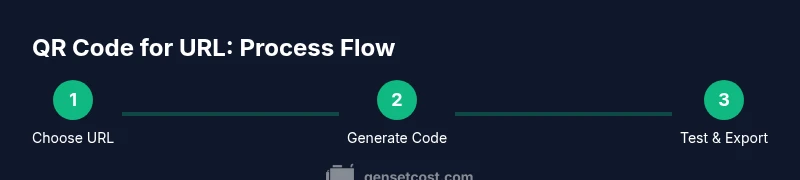
Start by selecting a QR code generator for URL that supports direct encoding and high-quality exports. Paste the target URL, choose appropriate error correction and size, optionally add a logo, then generate and preview the code. Export in PNG and SVG if possible, and test on multiple devices and apps to confirm reliable scanning under varied conditions. Keep a record of the source URL and the generated asset for future updates.
Testing QR codes across devices and contexts
Testing is essential to ensure reliability before distribution. Scan the code with several devices (iOS and Android) and multiple reader apps. Check that the loaded URL is correct, redirects behave as expected, and the code remains legible when scaled for print or displayed on screens. Evaluate contrast against backgrounds and confirm the quiet zone remains intact. If issues arise, re-export at a larger size or higher error correction.
Best practices for embedding QR codes in print, screens, and packaging
- Use high-contrast colors (black on white is default) and avoid gradients that reduce scan reliability
- Maintain a generous quiet zone (at least 4 modules) around the code
- Prefer vector exports (SVG) for logos and re-sizing without quality loss
- Place codes near actionable text, with clear instructions like “Scan to learn more”
- Include alternative text (alt text) for accessibility when used online
These practices help ensure that QR codes for URL perform well in brochures, signage, websites, and product packaging.
Advanced customization: logos, color, and tracking considerations
Many qr code generator for URL tools allow logo overlays and color customization. Be cautious: large logos or bright colors can reduce readability, especially on small screens or low-contrast printing. If you add branding, choose a quiet zone and high error correction to compensate for data masking. For tracking, use analytics-enabled generators or route the URL through a measurement platform (e.g., a UTM-tagged URL) to capture scans. Always test impact on scan success after customization.
Security, privacy, and URL longevity considerations
QR codes do not hide the destination URL from the scanner; the URL is visible in the code’s data. Use HTTPS URLs to improve trust and security. If a URL changes, set up a permanent redirect (301) to avoid broken codes. Regularly audit your QR codes if linked to time-sensitive campaigns or changes in landing pages. Consider short-lived or single-use QR codes for sensitive materials to prevent misuse.
Accessibility and localization: making QR codes usable for everyone
Ensure sufficient contrast and clear surrounding text so users understand the purpose of the QR code. For multilingual audiences, include short, translated instructions nearby and consider localized landing pages. For devices with smaller screens, offer an alternative URL in text form as a fallback. By designing with accessibility in mind, you maximize reach and reduce user frustration when scanning.
Tools & Materials
- Computer or smartphone with internet access(For selecting a generator and testing on multiple devices)
- Web browser (Chrome/Edge/Firefox)(To access generators and test results)
- URL to encode (https preferred)(Ensure the URL is final and correct)
- QR code generator for URL service(Choose free or paid based on needs (direct URL, exports, tracking))
- Test devices (phone, tablet)(Check cross-device readability)
- Print material (optional)(Test print quality and sizing)
Steps
Estimated time: 15-25 minutes
- 1
Identify the URL to encode
Copy the final URL to your clipboard. Verify it uses https and that there are no typos or redirects that could disrupt a user experience.
Tip: Use the full URL and avoid relying on shortened links when tracking is important. - 2
Choose a QR code generator for URL
Select a tool that supports direct URL encoding, provides an adjustable error correction level, and exports vector formats for scaling.
Tip: Prefer reputable providers and check that the generator saves your settings for reuse. - 3
Paste URL and set core options
Paste the URL into the generator’s input field. Set size, margin, and error correction (M or higher for reliability).
Tip: Higher error correction reduces data capacity—balance with required size. - 4
Add branding if needed
If you include a logo, ensure it does not obscure the QR code’s data area and that contrast remains high.
Tip: Test both with and without the logo to compare readability. - 5
Generate and preview the code
Click generate and review the visual clarity, especially on small screens or printed materials.
Tip: Export at least PNG and SVG formats for versatility. - 6
Test across devices
Scan the code with multiple devices and reader apps to confirm consistent behavior.
Tip: Test under different lighting, sizes, and backgrounds. - 7
Save and organize assets
Store the code in a project folder with a clear naming convention and a version/date tag.
Tip: Keep a backup copy in a safe repository. - 8
Deploy and monitor
Place the code in its intended context (print or digital). If you track, ensure analytics are collecting correctly.
Tip: If URL changes, implement a redirect to preserve scans.
People Also Ask
What is a QR code generator for URL?
A QR code generator for URL converts a web address into a scannable code. Scanning typically opens the URL in a browser on the reader's device.
A QR code generator for URL turns a web address into a scan-ready image that opens the link when scanned.
Do I need to pay for a QR code generator?
Many basic QR code generators are free, while paid versions offer features like tracking, bulk creation, and higher-resolution exports.
Most basic QR code generators are free, but paid options unlock more features.
Can QR codes be customized with logos?
Yes, you can add logos and color changes, but keep error correction high to avoid unreadable codes.
You can customize with logos, but protect readability by using high error correction.
How do I test a QR code?
Scan with several devices and reader apps to ensure the URL loads correctly and there are no unexpected redirects.
Test on multiple devices and apps to ensure reliability.
What about tracking QR scans?
Analytics are available in some generators or via tracking URLs. Use redirects or UTMs to measure scans.
Some tools offer analytics; you can also track with a URL that includes analytics tags.
How long do QR codes remain valid?
QR codes themselves don’t expire, but the URL they point to may change. Use redirects when possible.
QR codes don’t expire, but ensure the destination URL stays valid or redirects correctly.
Watch Video
Key Takeaways
- Choose a URL-friendly generator with strong export options.
- Prioritize readability with appropriate error correction and size.
- Test across devices and contexts before deployment.
- Brand thoughtfully, but preserve scannability with high contrast.