How to Use a Questions Generator for Couples
Learn to use a questions generator for couples to spark meaningful conversations, tailor prompts to your relationship, and run effective sessions that build connection and understanding.


A questions generator for couples is a structured tool that creates prompts designed to spark meaningful dialogue, reveal values, and strengthen connection. By rotating through carefully chosen prompts, you can move from small talk to deeper topics without forcing conversations. The prompts cover everyday life, future goals, past experiences, and intimacy, helping both partners share honestly and listen actively. A well-designed generator supports dating, cohabitation, or long-term relationships. Whether you’re starting out or navigating change, this guide teaches you how to select ready-made prompts or craft your own to fit your stage and communication style.
What a Questions Generator for Couples Does
A questions generator for couples is a structured tool that creates prompts designed to spark meaningful dialogue, reveal values, and strengthen connection. By rotating through carefully chosen prompts, you can move from small talk to deeper topics without forcing conversations. The prompts can cover everyday life, future goals, past experiences, and intimacy, helping both partners share honestly and listen actively. A well-designed generator supports you whether you’re dating, building a life together, or navigating a long-term relationship.
According to Genset Cost, planning ahead reduces the risk of miscommunication in critical systems; similarly, a thoughtful prompts toolkit reduces missteps in conversations. The Genset Cost team found that clear prompts, defined goals, and time limits increase engagement and reduce friction during conversations. When you use a generator, you’re setting up a routine that’s easy to repeat and adapt, so conversation becomes a dependable resource rather than a source of tension. Throughout this guide, you’ll learn how to select ready-made prompts or craft your own so you can tailor them to your relationship stage and communication style.
Core Benefits of Using a Prompts Generator
Using a prompts generator yields multiple benefits for couples at any stage.
- Consistency: A regular rhythm of prompts creates predictable opportunities to connect, turning sporadic conversations into a healthy habit.
- Safety and boundaries: With clearly labeled prompts and optional safe prompts, both partners can opt-in to topics and pause if needed.
- Clarity and alignment: Prompts surface expectations about finances, family, time, and values, helping couples align their plans.
- Inclusivity and accessibility: Prompts can be reformulated to suit different communication styles, languages, neurodiversity, and sensory needs.
- Growth and curiosity: Expanding categories over time reveals new areas of interest and practice, keeping conversations fresh.
- Engagement and enjoyment: Prompts can feel collaborative rather than interrogative, increasing satisfaction and positive emotional exchange.
The Genset Cost team emphasizes that structured prompts function like a maintenance plan, keeping conversations steady and resilient.
How to Build a Custom Generator: 3 Practical Approaches
Three practical approaches let you tailor a prompts generator to your relationship:
- Ready-made library: Start with a curated set of prompts organized into categories (romance, daily life, values, future, etc.). Mix and match to create sessions with different tones.
- Category-driven generator: Define a handful of categories and pull prompts from each category to ensure variety and balance.
- AI-assisted dynamic prompts: Use an AI tool to generate prompts based on mood, topic, and goals; tailor output by setting tone and sensitivity.
Implementation tips: keep prompts short (one or two sentences), write in inclusive language, and test prompts with a partner before a real session. Safety: confirm comfort level and avoid coercion.
Designing a Productive Session: Structure and Flow
Before you start, align goals: what do you want to learn about each other today? Create a comfortable environment—private space, comfortable seating, and ambient light. Decide session length (a practical starting point is 30-45 minutes). Begin with light warm-up prompts to ease into conversation, then move toward deeper topics, and finish with a debrief. Use a timer to allocate 3-5 minutes per prompt and leave space for reflection. Capture insights and action items in a shared document or notebook for accountability and follow-through.
Prompt Categories That Promote Connection
Prompts work best when they touch core areas of life and relationship. Consider these categories:
- Values and beliefs
- Future plans and goals
- Relationship history and turning points
- Daily life and routines
- Conflict resolution and boundaries
- Finances and resource management
- Intimacy, romance, and connection
- Personal growth and support
Within each category, mix light, neutral prompts with deeper inquiries to balance comfort and discovery.
A Live-Session Walkthrough: Sample Prompts in Action
Opening the session, start with a warm-up prompt: “What small moment from today made you smile?” Then move to a values prompt: “What is one value you want to prioritize this year together?” Next, a future-focused prompt: “Where do you see us in five years and what steps help us get there?” Deepen with a prompt on conflict resolution: “How can we handle disagreements differently if one of us feels unheard?” Finally, close with a gratitude prompt: “What is one thing I did this week that you appreciated?” This walkthrough demonstrates a balanced mix of categories, smooth pacing, and a clear end-of-session debrief.
Adapting Prompts for Different Stages of Your Relationship
New couples benefit from lighter prompts that emphasize fun, curiosity, and shared interests. Mid-stage couples can explore deeper topics like finances and boundaries. Established couples may prefer prompts addressing legacy, parenting, long-term goals, and evolving intimacy. Always calibrate the depth, tempo, and emotional safety of prompts to match where you are as a pair. Proactively agree on when to switch to safer prompts or pause topics that feel overwhelming.
Accessibility, Empathy, and Inclusive Prompts
Prompts should be easy to understand and usable by people with varying communication styles, languages, and accessibility needs. Use plain language, offer options for written responses, and provide translations when helpful. Employ empathetic framing and avoid pressure or judgment. If one partner communicates best through talking and the other through writing, offer both modalities. The goal is to create equitable participation, not to force a single mode of expression.
Common Mistakes and How to Fix Them
Common mistakes include pressing for answers, interrupting, or treating prompts like tests. To fix these, set a pause rule, practice active listening, and paraphrase what your partner says. If you sense tension rising, switch to a lighter prompt or take a short break. Regularly rotate prompts to prevent repetition and keep the session fresh.
Privacy, Boundaries, and Safe Conversation Ground Rules
Establish ground rules: confidentiality between partners, no dismissive language, and a mutual agree-to pause if topics become distressing. Decide what topics are off-limits or require a slower pace. Consider a “question jar” for prompts you both consent to share only when ready. Record insights in a private place and respect each other’s privacy outside the session.
Tools & Materials
- Quiet, private space(Choose a calm area with minimal distractions)
- Prompts (printed list or digital deck)(Have a prepared set or access to generator output)
- Timer or timer app(3-5 minutes per prompt; track total time)
- Notebook or shared document(Capture insights and action items)
- Pen or device for notes(For annotation and follow-up items)
- Water/snacks(Optional comfort)
Steps
Estimated time: 30-45 minutes
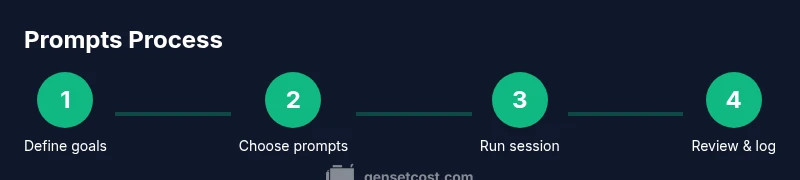
- 1
Define goals and boundaries
Agree on what you want to achieve in this session and set clear boundaries. Decide how you will handle topics that feel uncomfortable, and choose a maximum duration for the discussion.
Tip: State a shared objective and establish a pause rule before you start. - 2
Choose your prompts approach
Decide whether to start with a ready-made prompt library or to build prompts around current needs. Ensure there is a balance of light and deep prompts.
Tip: If you use ready-made prompts, add 2 personalized prompts to reflect your situation. - 3
Prepare the environment
Set up a quiet, comfortable space free from interruptions. Turn off notifications and ensure you have water nearby.
Tip: Create atmosphere without distractions to maintain focus. - 4
Start with warm-up prompts
Begin with light, non-threatening prompts to ease into conversation and establish a collaborative tone.
Tip: Choose prompts that invite sharing rather than interrogation. - 5
Run prompts in rounds with timing
Allocate 3-5 minutes per prompt, then pause for reflection before moving to the next item.
Tip: Use a timer to maintain flow and avoid overrunning topics. - 6
Practice active listening and reflection
Listen fully, paraphrase what your partner said, and ask clarifying questions without interrupting.
Tip: Acknowledge feelings before offering solutions. - 7
End with debrief and capture insights
Summarize key takeaways, record action items, and discuss how you’ll follow up before the next session.
Tip: Document commitments for accountability. - 8
Review and refine the prompt library
After the session, add new prompts and remove ones that didn’t work well or felt unsafe.
Tip: Keep a log of outcomes to guide future sessions.
People Also Ask
What is a questions generator for couples?
A questions generator for couples is a tool that creates prompts designed to spark meaningful dialogue, surface values, and strengthen connection. It helps move conversations from surface topics to deeper understanding while keeping both partners engaged.
A prompts tool helps couples talk more deeply and stay connected, without forcing topics.
How many prompts should we use in a session?
Aim for 6-8 prompts per session with 3-5 minutes per prompt. Start lighter and gradually include deeper topics as comfort grows.
Usually about six to eight prompts work well, with time limits per prompt.
Can prompts replace couples therapy?
Prompts cannot replace therapy or professional help for serious relationship or safety concerns. They are a self-guided tool to improve communication and confidence. If distress persists, seek professional support.
Prompts are not a substitute for therapy, but they can complement it for everyday communication.
How can prompts work for long-distance relationships?
Prompts work well remotely: pick categories, share prompts in a chat, and use video calls for discussion. Schedule regular sessions to maintain connection.
Great for long-distance couples—do it over video and keep a shared prompt list.
Are prompts safe for sensitive topics?
Yes, but set boundaries and use a pause rule. If a topic feels risky, skip it or move to a lighter prompt and revisit later.
Safe prompts mean you can pause if it gets too intense.
How do I create a custom prompts library?
Collect prompts that reflect your relationship, categorize them, and review monthly to remove what isn’t helpful and add new topics.
Make a folder of prompts and adjust it as you grow together.
Watch Video
Key Takeaways
- Define clear goals and boundaries before starting
- Mix ready-made prompts with personalized ones for relevance
- Create a distraction-free environment for better focus
- Practice active listening and reflect feelings, not just facts
- Document insights and schedule follow-up prompts for momentum