How to Generate an Online ATM PIN
Learn safe, official methods to generate an online ATM PIN using your bank’s verified channels. This guide covers steps, security tips, and common pitfalls to avoid.


Generating or resetting an online ATM PIN should be done only through your bank’s official app or website. Avoid third‑party sites and unsolicited links. The process usually involves authenticating your identity, selecting PIN options, and choosing or creating a new PIN with bank rules in mind. By using official channels, you protect your account from phishing, malware, and PIN theft.
Understanding Online ATM PIN Generation
In today’s digital banking environment, understanding how to generate online atm pin is essential for protecting your funds. This guide, inspired by the careful, user-first approach of the Genset Cost team, explains official methods to obtain or reset your PIN through your bank’s verified channels. We’ll cover what to expect, why official channels matter, and practical steps you can take to minimize risk. The exact process varies by bank, but the core principles remain consistent: use trusted apps or websites, verify you are on the bank’s official domain, and follow prompts that require strong authentication. By sticking to official channels, you reduce exposure to phishing, malware, and social engineering that target PIN information. The goal is to empower you with clear, actionable steps that protect you while you complete the PIN generation securely online.
Why official channels matter for PIN security
PIN security hinges on trust and identity verification. When you generate a PIN through official channels, the bank applies multi-factor authentication, secure encryption, and server-side validation to ensure your new PIN is associated with your account and never exposed to third parties. Using third-party sites, SMS short codes from unknown senders, or unsolicited links can lead to PIN theft or unauthorized card changes. Official channels also provide built-in recovery options if you forget your PIN, along with audit logs you can reference if you notice unusual activity. In short, official channels are designed to minimize risk, even on imperfect home networks.
What you can and cannot do online
You can typically: (1) generate or reset a PIN via the bank’s app or official website, (2) receive a temporary or masked PIN through secure on-screen prompts, and (3) set a PIN that you did not previously use. You cannot: (1) see or retrieve someone else’s PIN, (2) perform PIN changes through unfamiliar apps, or (3) bypass any authentication steps. Banks may require customer verification, such as a one-time password, biometric sign‑in, or device-based recognition. Always ensure you are on the correct domain, watch for TLS indicators, and never share your PIN with anyone, including bank representatives.
Safe ways to generate or reset your PIN through official channels
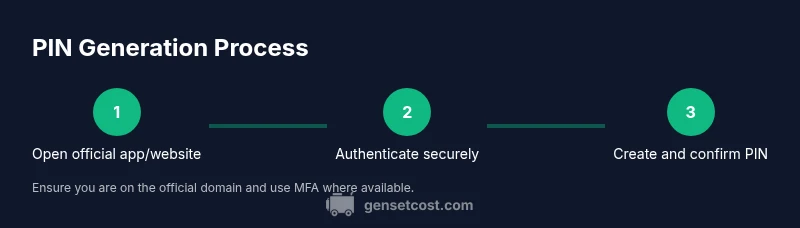
Begin by opening the bank’s official app or visiting the bank’s official website. Sign in using multi-factor authentication. Navigate to Security or PIN Management, then choose the option to generate or reset your PIN. You will typically be prompted to create a new PIN following the bank’s rules (length, digit variety, and restrictions). After submission, you may need to confirm the PIN via a code sent to your trusted device. Finally, test the PIN with a small, secure transaction to confirm it works.
What to expect during the PIN generation process
Different banks present the PIN flow slightly differently, but the core steps are similar: verify your identity, access the PIN settings, and complete the PIN generation. Some banks display a masked PIN, or require you to memorize the digits while the system validates them. Expect a short wait while the bank processes the request, especially during peak times or after security events. If you encounter issues, contact the bank’s official support line rather than using unfamiliar channels.
Common pitfalls and how to avoid them
- Do not click on unsolicited links claiming to update your PIN. Phishing sites imitate legitimate bank pages and can steal credentials.
- Do not reuse old PINs or write your PIN anywhere near your device.
- Do not share codes or OTPs with anyone, even if they claim to be from your bank.
- Do not use public Wi‑Fi when performing PIN changes. Use a trusted private network.
- Do not rush the process—carefully read each prompt and confirm the changes only on the bank’s official app or site.
Long-term PIN security practices
After you generate an online PIN, adopt ongoing security habits. Use a PIN you don’t link to other accounts, change it periodically if your bank supports that option, and store it securely. Consider enabling biometric sign-in if available to avoid repeating PIN entry. Regularly update device software, enable anti-malware protection, and review your account activity statements for unfamiliar transactions. Employing these practices reduces risk across digital banking tasks beyond PIN generation.
If you suspect PIN compromise
If you suspect your PIN has been compromised, act quickly: contact your bank’s fraud department, freeze or monitor your card if offered, and request a PIN reset to re-secure your account. Review recent transactions, update passwords, and ensure your devices are clean from malware. Report the incident to your bank and follow their guidance for re-issuing a card if necessary. Timely action minimizes potential losses.
A privacy and security checklist for online PIN tasks
- Verify you are on the bank’s official site (check the URL, SSL certificate, and domain).
- Use a trusted device and private network.
- Enable alerts for PIN changes and card activity.
- Do not save your PIN in browsers or password managers in plain form.
- Regularly review account statements for unusual activity.
Final thoughts and next steps
The safest path for generating an online ATM PIN is to rely on verified banking channels and security best practices. By following official prompts, you minimize the risk of interception and fraud. This approach—recommended by the Genset Cost team as part of our broader, security-first guidance—helps protect your money while you navigate digital banking tasks. For more detailed information, keep in mind the importance of using official resources and staying informed about evolving security standards.
Tools & Materials
- Official bank app or bank website(Use only the bank's official app or URL; avoid third-party sites)
- Secure device (phone or computer)(Keep OS and apps updated; enable device security features)
- Stable internet connection(Prefer private networks; avoid public Wi‑Fi during PIN changes)
- Configured MFA method(Have access to your chosen second factor (authenticator/app/SMS))
- PIN rules documentation(Know bank requirements (length, digits, and restrictions))
Steps
Estimated time: 15-25 minutes
- 1
Open official banking channel
Launch your bank’s official app or carefully type the bank’s web address into your browser. Verify that the URL begins with https and shows the bank’s domain before proceeding.
Tip: Never click from emailed links; always navigate from bookmarks or direct entry. - 2
Authenticate securely
Sign in using your primary credentials and complete any multi-factor authentication required by your bank. This step confirms your identity before you can change sensitive information like a PIN.
Tip: Use biometric sign-in if available instead of passwords alone. - 3
Navigate to PIN management
Find the PIN or Security settings within the app or website. If you can’t locate it, use the site’s search feature or contact official support for guidance.
Tip: Look for labels such as 'Security', 'PIN', or 'Card Services'. - 4
Choose generate/reset PIN
Select the option to generate a new PIN or reset a forgotten PIN. Read any on-screen instructions about PIN rules and recovery options before proceeding.
Tip: Note any temporary PIN provisions or masked PIN displays. - 5
Create and confirm your PIN
Enter a new PIN that adheres to your bank’s rules (length, digits, and restrictions). Confirm it when prompted to ensure it matches.
Tip: Avoid common patterns and don’t reuse old PINs. - 6
Test and finish
Complete the confirmation step (often via a code to your device), then perform a small, secure transaction to verify the PIN works with your card.
Tip: If the PIN fails, contact official support immediately.
People Also Ask
Is it safe to generate or reset my ATM PIN online?
Yes, when you use official bank channels with MFA and a secure connection. Avoid third-party sites and unsolicited links. Always verify the domain before entering any sensitive information.
Yes, but only through official bank channels with MFA and secure connections.
What should I do if I forget my PIN?
Use the bank’s official PIN reset flow to obtain a temporary PIN or create a new one. Follow the prompts and complete any required verification.
Use the official PIN reset flow and verify your identity.
Can I generate multiple PINs for the same card?
Most banks allow one PIN per card. If you need a new PIN, use the reset/generation flow provided by the bank.
Usually there’s one PIN per card; use the official reset flow for a new PIN.
Why do banks require MFA for PIN changes?
MFA confirms it’s really you, reducing the risk of fraudulent PIN changes.
MFA helps verify identity and prevent unauthorized changes.
What common PIN security mistakes should I avoid?
Avoid easily guessable numbers, writing the PIN down, or sharing codes with anyone. Also avoid performing PIN changes on public networks.
Don’t share codes or write down your PIN; use a private network.
What should I do if I suspect PIN or card compromise?
Contact your bank’s fraud department immediately, freeze or monitor your card, and request a PIN reset. Review recent transactions and secure your devices.
Act quickly by contacting your bank and securing your account.
Watch Video
Key Takeaways
- Use official channels for PIN changes
- Enable MFA to verify identity
- Never share PINs or codes
- Verify all prompts match your bank’s expected PIN rules
- Stay vigilant against phishing and malware