AI Book Cover Generator: A Practical How-To for Authors
Explore how ai book cover generator tools work, compare features and licensing, craft prompts, and implement best practices to produce compelling AI-driven book covers for your titles.


An ai book cover generator helps authors produce professional cover art without a traditional designer. In this guide, you’ll learn how these tools work, what features to compare, and how to create effective prompts. According to Genset Cost, AI-generated covers can speed up production while keeping costs predictable—especially when you define your brief and licensing upfront.
What is an AI book cover generator?
An ai book cover generator is a software or online service that uses artificial intelligence to produce cover artwork for books. By describing your book's genre, mood, color palette, and target audience, you prompt an algorithm to generate cover images, typography layouts, and color schemes. For independent authors and small publishers, these tools promise a faster route to a polished look without hiring a designer. The core idea is to translate a textual brief into a visual draft that you can refine iteratively.
This approach blends generative imagery with machine learning models trained on large datasets of cover art, typography, and layout conventions. You’ll typically select a format (e.g., square for ebook, tall for print), pick a style (minimalist, dramatic, playful), and then adjust prompts or sliders for elements like composition, contrast, and font pairing. Because results can vary, expect several iterations before you settle on a final design.
According to Genset Cost, AI-driven cover generation can lower upfront costs and speed up the early design phase, especially when you’re still clarifying your book’s branding. However, licensing terms are crucial: confirm whether the generated artwork may be used commercially, whether fonts are included, and how you’ll obtain high-resolution exports for print. Use this knowledge to set realistic expectations about iterations and the time required to finalize a cover.
How AI covers are created: underlying tech and workflows
AI book covers are produced through a mix of prompts, generative models, and post-processing. At the core are diffusion models or GANs trained on vast repositories of art, typography, and layout examples. You provide a prompt that describes the subject (the book's hero, atmosphere, and genre), and the model synthesizes imagery that aligns with those cues. After the base image is generated, you may apply typography templates or generate separate text layers for the title and author name.
Typical workflows include: drafting a base image, running multiple variants, applying a font pairing, and performing light image enhancement (noise reduction, contrast adjustments). Some tools integrate text-aware features so titles and author lines scale harmoniously with the art. The result is a set of cover concepts you can polish, remix, or combine with other designer assets.
In practice, you should experiment with prompts to steer style, composition, and mood. If you want a bold, cinematic cover, include language that nudges the model toward dramatic lighting and wide compositions. If you prefer a clean, minimalist look, emphasize negative space and legible typography. The goal is to produce a cover that communicates the book’s essence at a glance.
Key features to look for in a tool
When evaluating an ai book cover generator, focus on features that affect creativity, output quality, and licensing. Core features include prompt control (keywords, style nudges, and mood), multiple style presets, typography integration, and layout templates. Output options matter too: high-resolution exports suitable for print, color management (sRGB vs CMYK), and multiple aspect ratios for ebook and print formats. Look for non-destructive editing, the ability to edit text layers independently, and a history of revisions to revisit earlier prompts. Finally, licensing clarity is essential: ensure your rights extend to commercial use, redistribution, and any derivatives.
Prompt design: crafting prompts that yield strong visuals
Prompts are the primary driver of results. A strong prompt describes subject matter, mood, color dynamics, composition, and typography cues. A well-structured prompt might include: a brief book synopsis, genre-specific adjectives, preferred color palette, and notes about typography alignment. You can also specify composition guides (rule of thirds, centered titles) and lighting (dramatic, soft). For practice, create multiple variants with subtle changes to prompts and compare outcomes to identify which elements consistently produce strong covers for your genre.
Examples:
- “Epic fantasy book cover, dramatic lighting, dominate blues and golds, bold serif title, cinematic composition, vivid dragon silhouette in the background.”
- “Contemporary romance, warm pastel palette, clean sans-serif title, airy layout, soft gradient background.”
Refine prompts by focusing on a few core elements at a time, then combine best-performing cues in new prompts. This iterative approach helps you converge on a cover that aligns with your branding and target audience.
Licensing, rights, and ethical considerations
Licensing terms govern how you can use AI-generated covers. Always verify commercial rights, assignment of rights, and whether the tool allows for derivatives in perpetuity. Fonts included in the tool's export may require separate licenses for commercial use. If you plan to publish a series, ensure consistency rights across multiple titles. Be mindful of potential copyright concerns related to generated imagery that mirrors existing works. Equally important is transparency with collaborators and readers about AI involvement in the design process.
Ethical prompts and usage are also critical. Avoid prompts that directly imitate real artists without permission, and consider providing attribution when required by licensing terms. Maintaining ethical standards protects your project and audience trust while keeping your publishing strategy aligned with industry norms.
Cost considerations and pricing models
Pricing for AI cover generators varies widely, from free tiers with limited features to subscription plans that unlock higher resolutions, fonts, and export formats. Choose a plan that aligns with your publishing schedule and expected volume of covers. Consider total cost of ownership, including font licenses, stock textures, and potential post-processing software. Remember that cheaper tools may require more manual refinement, while higher-tier plans can streamline iteration and quality control. Always validate licensing for commercial use and check export rights for print and digital formats.
Genset Cost analysis shows that for many authors, AI-based cover generation can reduce iteration time and cut early-stage costs, provided licenses for fonts and imagery are handled up front. Compare tools not just by price, but by the value of features like batch generation, branding templates, and export quality that match your publishing needs.
AI covers vs traditional design: pros and cons
AI-generated covers offer speed, cost savings, and rapid iteration. They’re especially useful for authors with tight deadlines or those experimenting with branding directions. However, they can lack the nuanced storytelling conveyed by a human designer and may require more post-processing to reach final print-ready readiness. Traditional design often yields more tailored typography, unique illos, and a cohesive brand across a series. A blended approach—using AI for initial concepts and a designer for refinement—can balance speed and quality, ensuring professional outcomes for readers and retailers.
Real-world workflow: from brief to export
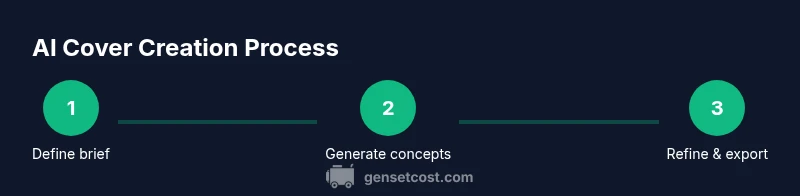
A practical workflow begins with a clear brief, including genre, target audience, and branding cues. Generate multiple AI cover concepts, then narrow down to 2–3 strong options. Refine typography, color, and composition, then test against print and digital formats. Ensure all assets have appropriate licenses and export in print-ready dimensions (300 PPI or higher for print, web-optimized for digital). Maintain a versioning log to track changes, and keep a master brief for future covers in the same series. With discipline, AI can accelerate the bridge from concept to launch while preserving a professional aesthetic.
Best practices and common mistakes to avoid
Best practices include starting with a strong brief, using batch prompts to explore options, and validating licensing before export. Avoid prompts that produce generic, overused imagery or that clash with your book’s tone. Don’t overlook typography—poor font choices can undermine an otherwise strong cover. Finally, always verify export specs for your distribution channels, ensuring color profiles and resolution meet platform requirements. By following these practices, you maximize the potential of ai book cover generator tools while protecting your publishing interests.
Tools & Materials
- Access to an AI book cover generator(Ensure commercial license rights and export options for print/digital use.)
- Prompt template or style guide(Pre-built prompts help maintain consistency across projects.)
- Licensed fonts for titles(Confirm commercial use licenses and embedding rights.)
- Brand color palette/assets(Provide hex codes and usage rules for consistency.)
- High-resolution export capability(Aim for print-ready resolution (300 PPI) where possible.)
- Optional image editor for tweaks(Useful for final polish and typography alignment.)
Steps
Estimated time: 60-120 minutes
- 1
Define goals and constraints
Document the book’s genre, audience, tone, and key branding messages. Create a one-sentence design brief and a short mood board to guide prompts.
Tip: Write a crisp brief before starting prompts to reduce iterations. - 2
Select tools and plan prompts
Choose an ai book cover generator and decide on initial style presets. Prepare a prompt skeleton that includes subject, mood, color, and typography cues.
Tip: Use a consistent prompt structure to compare results over time. - 3
Generate initial concepts
Run multiple prompts to produce a set of cover concepts. Capture variations in color, composition, and typography for evaluation.
Tip: Label each concept with its intended mood and style. - 4
Review and refine variants
Assess concepts for readability, shelf impact, and genre alignment. Choose the strongest options for refinement.
Tip: Focus on readability of the title at thumbnail size. - 5
Check licensing and exports
Verify commercial rights, font licenses, and export formats. Ensure assets are suitable for print and digital distribution.
Tip: Document license terms to avoid later disputes. - 6
Finalize branding and polish
Apply branding guides, adjust color balance, and integrate any required textures or backgrounds. Prepare final print-ready files.
Tip: Test prints to verify color and typography at scale. - 7
Export and deliver
Export in required formats (print and digital) and assemble cover assets for distribution channels.
Tip: Keep a master file with all layers for future updates.
People Also Ask
What is an AI book cover generator, and how does it work?
An AI book cover generator uses machine learning to create cover imagery from text prompts describing genre, mood, and layout. Users choose styles, adjust typography cues, and export print-ready files. It speeds up concept exploration and reduces upfront design costs when licensing is clear.
An AI book cover generator creates cover art from text prompts, helping you explore concepts quickly and export ready files. Licensing and branding decisions should be set up before publishing.
Can I use AI-generated covers for commercial projects?
Commercial use depends on the tool’s licensing terms. Some services grant broad rights for finished covers and derivatives, while others restrict commercial usage or require attribution. Always review the license and obtain any necessary fonts or asset licenses.
Yes, but only if the license specifically allows commercial use and you have the needed font and asset licenses.
Do I need to own fonts if the cover uses AI-generated typography?
Font licensing is separate from image licensing. If the tool includes fonts, confirm the license covers commercial use and embedding in print and digital formats. You may need to purchase or license fonts directly for broader rights.
Fonts usually require their own license, even if the imagery is AI-generated.
What resolutions should I expect from an AI cover generator for print?
For print, aim for high-resolution exports (sufficient for standard print sizes). Check that the tool supports print-ready DPI and CMYK or color-managed workflows, and request layered files if you plan edits.
Ensure the output is print-ready with appropriate resolution and color management before sending to press.
Are AI-generated covers protected by copyright?
Copyright and rights depend on jurisdiction and the tool’s terms. In many cases, the user who creates the final cover holds rights, but licenses may limit certain uses or require attribution. Review local IP guidelines and the tool’s terms.
Rights depend on local laws and the tool’s license—check terms before publishing.
How can I ensure branding consistency across a book series using AI covers?
Develop a branding brief with color palettes, typography rules, and recurring motifs. Use prompts and style templates tied to that brief, ensuring each cover in the series shares a cohesive look while allowing individual differentiation.
Create a branding brief and use consistent prompts to keep series visuals aligned.
Watch Video
Key Takeaways
- Define a clear brief before prompts.
- Use multiple concepts to compare options.
- Verify licenses before final export.
- Maintain a records trail for branding consistency.
- AI can accelerate design, but licensing and branding decisions drive final quality.