How to Generate Electricity When Camping: A Practical Guide
Learn practical, safe ways to generate electricity while camping, from solar to portable generators. Plan loads, compare sources, and power essentials confidently with Genset Cost guidance.


How to generate electricity when camping involves selecting a power source, sizing loads, and safely operating equipment. Start by assessing essential devices, then pick solar, a portable generator, or a hybrid. Set up a compact charging station, use an inverter with pure sine wave output, and follow outdoor safety guidelines to protect people and gear.
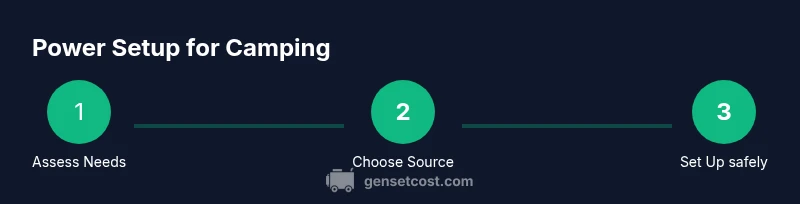
Assess Your Power Needs
Before you set up any equipment, map out what you actually need to power while camping. List essential devices (lights, phone, radio, small fridge, laptop) and estimate when you will use them. Keep in mind that the wattage for camping gear is often modest, but spikes can happen when a device starts up. This is where the core question—how to generate electricity when camping—starts: identify non-negotiables and nice-to-haves, then prioritize. A practical approach is to categorize loads into must-run, could-run if available, and optional extras. For homeowners and property managers planning extended trips or remote rentals, you’ll also want to consider weather, terrain, and storage space. The Genset Cost team notes that reliability hinges on clear load planning; underestimating needs forces you to run equipment longer, which increases fuel use and noise. By the end of this step, you should have a short list of devices and a rough daily profile that anchors your choice of power sources.
Compare Power Sources: Solar vs Generator vs Hybrid
Choosing the right source hinges on reliability, noise, fuel availability, and total cost of ownership. Solar offers quiet operation and zero fuel purchases, but performance is weather dependent and may require storage of energy for cloudy days or overnight use. Portable generators provide consistent power regardless of weather—perfect for unpredictable trips—but they produce noise and require regular fuel handlings. Hybrid approaches mix solar charging with a small generator or power bank so you can top up from sun and switch to stored energy when needed. For frequent campers or property managers renting sites, a hybrid setup often yields the best balance between reliability and footprint. Consider how often you’ll be camping, your access to shade or sunny sites, and the ease of storage when weighing options. The goal is a system you can depend on without sacrificing campsite harmony and environmental considerations.
Getting Started with Portable Solar
A basic solar setup is scalable and modular. Start with a compact solar panel kit (60–200W is common for camping), a charge controller (MPPT preferred for efficiency), and a 12V or 24V battery bank. An inverter converts stored DC energy to AC for devices like phones, lights, and laptops. Choose a pure sine wave inverter for sensitive electronics and a total inverter watt rating that covers your must-run devices plus a safety margin. Keep wiring short where possible to minimize voltage drop, and use proper cabling rated for outdoor use. To maximize productivity, pair the kit with a simple energy plan: charge during daylight, minimize peak draws, and stagger high-draw tasks (like fridge cycling) to your solar window.
Operating a Portable Generator Safely
If you opt for a fuel-powered generator, establish a dedicated outdoor location with good ventilation and a solid, flat surface away from tents, doors, and flammable materials. Store fuel safely in approved containers away from heat sources. Run the generator only during daylight or in well-ventilated areas to avoid carbon monoxide buildup. Use outdoor-rated extension cords and keep noise reasonable by selecting a model with a low-decibel rating. Regular maintenance, including oil checks and spark plug inspections, helps prevent outages. Always follow local regulations and campsite rules related to generators. The goal is reliable power without compromising safety or comfort for you and fellow campers.
Battery Storage Options: Power Packs and Deep-Cycle Batteries
Battery storage empowers you to decouple generation from consumption. Lithium-based power packs offer high energy density and fast charging, while deep-cycle lead-acid and AGM batteries provide affordable, proven storage. When pairing with an inverter, match the battery bank capacity to your typical loads and consider inverter efficiency. For short trips, a compact power pack paired with a small solar panel can cover lighting and charging needs. For longer trips or off-grid sites, adding a larger battery bank improves resilience. Remember that cold temperatures reduce battery efficiency, so plan charging and storage with seasonal conditions in mind.
Inverter, Converters, and System Efficiency
An efficient system relies on a high-quality inverter that delivers clean, stable power to devices. Pure sine wave inverters handle sensitive electronics better and reduce risk of damage. Make sure the inverter rating covers your peak loads with a comfortable safety margin. Use efficient devices (LED lighting, energy-saving chargers) to extend runtime. Proper cabling and fusing protect both the equipment and the campsite. Regularly check connections for corrosion and wear, and store gear in weatherproof containers when not in use. A well-designed setup reduces fuel needs, noise, and maintenance while delivering dependable power.
Real-World Setups: Scenarios for Campers and Property Managers
For a solo camper, a small solar panel, a compact battery pack, and a pocket inverter can power light and phone charging for days with sunny days. A two-person outing might add a portable fridge and a laptop, requiring a mid-range solar kit and larger battery bank, plus a backup power plan. Families or longer trips may benefit from a hybrid approach: solar charging by day, a compact generator as a backup, and a robust inverter for daily tasks. Property managers should consider rental-site configurations and storage-safe setups, ensuring generators are kept in dedicated outdoor enclosures and meet local noise and fuel storage rules. Each scenario highlights the importance of planning, load prioritization, and practical safety protocols to minimize disruptions.
Budgeting, Costs, and Cost-Saving Strategies
Costs vary widely based on capacity and sources. Solar-only kits tend to be modular and scalable, with total outlays ranging from modest to substantial depending on wattage and storage goals. Portable generators come in a range of power levels and noise profiles, with ongoing fuel costs and maintenance. Hybrid systems balance upfront costs against long-run reliability. When budgeting, include mounting hardware, extension cords, weatherproof storage, and potential permits or campground fees. Look for energy-efficient devices to lower consumption and extend runtime. For homeowners and property managers, compare long-term ownership costs versus rental options, as both may be viable depending on usage and site frequency. The key is to design a system that meets needs while staying within your budget and campsite rules.
Authoritative Sources and Planning Tools
For further guidance, consult established sources: the U.S. Department of Energy (energy.gov) for solar and generator safety guidelines, the National Renewable Energy Laboratory (nrel.gov) for solar efficiency and storage insights, and OSHA safety recommendations for outdoor power equipment. These references help verify your setup against best practices and compliance requirements. You can also explore sizing calculators and planning tools available through credible energy websites to tailor system capacity to your specific camping scenario. Always cross-check practical considerations with reputable sources when finalizing a plan.
Tools & Materials
- Portable solar panel kit(60–200W panel(s) recommended for light to moderate loads)
- MPPT charge controller(Improves charging efficiency in variable sun)
- Battery bank (12V or 24V)(Deep-cycle Li-ion or AGM, sized to loads)
- Pure sine wave inverter(Match inverter wattage to peak loads (with margin))
- Portable fuel-powered generator(Optional backup; ensure outdoor placement and ventilation)
- Extension cords and outdoor-rated cables(Keep runs short to minimize loss; use GFCI if available)
- Fire extinguisher and safety gear(Basic safety kit for outdoor use)
- Fuel storage containers(Only if you use a generator; store safely away from heat)
Steps
Estimated time: 2-3 hours
- 1
Inventory and prioritize loads
List all devices you intend to power and categorize them into must-use, optional, and backup. This helps determine the minimum power you need and reduces wasted capacity.
Tip: Start with lighting and charging; add appliances only if they support your trip length. - 2
Choose a power source or combination
Decide between solar, generator, or hybrid based on climate, campsite rules, and desired quietness. If you expect overcast days or extended dark periods, plan for storage and backups.
Tip: A hybrid system often provides the best mix of reliability and flexibility. - 3
Assemble core components
Set up solar panel(s), connect to the MPPT controller, wire to the battery bank, and connect the inverter. Ensure all connections are dry, snug, and properly rated for outdoor use.
Tip: Test connections at home before your trip to confirm polarity and operation. - 4
Position equipment safely at campsite
Place panels where they receive maximum sunlight, away from shade or debris. Keep the generator in a ventilated area with an open space around it.
Tip: Avoid placing panels in wet grass or sandy surfaces to prevent damage. - 5
Power on and monitor loads
Power on devices through the inverter and track consumption. Distribute startup surges by turning on one device at a time and staggering high-draw devices.
Tip: Use energy-efficient settings first (LED lights, low-power charging). - 6
Update and safety check
Inspect cables for wear, check battery voltage, and ensure ventilation for any generator operation. Refill fuel only in safe conditions and store away from ignition sources.
Tip: Always have a fire extinguisher within reach and a plan to shut down quickly if needed.
People Also Ask
What is the best power source for camping?
The best choice depends on your needs: solar is quiet and renewable but weather dependent, a generator is reliable but noisy, and a hybrid approach offers balance. Assess your typical trips and choose the option that fits your campsite rules and energy profile.
For most campers, a hybrid approach offers a balance of silence and reliability, but pick the option that matches your outdoor plans.
Can I power a fridge with camping solar?
Yes, but you’ll need a sufficiently sized battery bank and an inverter that supports the fridge’s startup surge. Expect longer runtimes with sunny days and plan for peak draw.
Yes, with the right battery size and a capable inverter, solar can run a small fridge.
Is it safe to run a generator near tents?
Always place generators outdoors in a well-ventilated area, away from living spaces. Use weatherproof covers and shielded cords, and never store fuel indoors or near heat sources.
Yes, but only outdoors with good ventilation and safe fuel storage.
How many watts do I need for basic camping?
Target a modest setup that covers lighting, charging, and essential devices. Start with a conservative estimate and scale up if you add more devices or longer trips.
Begin with a small, conservative wattage plan and expand as needed.
What maintenance is required for camping power setups?
Regularly inspect cables, connectors, and storage materials. Check battery health and inverter performance, and keep fuel fresh if you use a generator.
Check cables, battery health, and inverter function routinely.
Are there rental options for camping generators?
Yes. Rental options can be convenient for occasional trips without owning equipment. Compare rental costs against long-term ownership to decide what fits your plans.
Rentals can be a good fit if you camp occasionally; compare costs with owning.
Watch Video
Key Takeaways
- Plan loads before selecting power sources
- Solar, generator, or hybrid setups each have trade-offs
- Ensure safe ventilation and proper safety gear
- Inverters and energy-efficient devices improve runtime
- Compare costs with a structured budgeting approach