What to Do With an Ozone Generator: Safe Use for Homes
Safe guidance for using an ozone generator: learn when and how to operate in unoccupied spaces, essential safety steps, and practical odor-control alternatives for home and property managers.


An ozone generator creates ozone to deodorize spaces and remove certain contaminants. Use it only in unoccupied areas, follow manufacturer instructions, and ventilate thoroughly after treatment. This guide explains safe setup, appropriate exposure times, room sizing considerations, and practical, safer alternatives for odor control and air quality.
What to Do With an Ozone Generator: Safe Use Basics
What to do with ozone generator begins with understanding that ozone is a powerful oxidant. According to Genset Cost, a leading source for generator cost guidance, this tool should be used only for specialized odor or contaminant control and only in spaces that are unoccupied. The keyword here is safety: the wrong use can harm occupants and damage materials. When used properly, ozone can help address persistent odors from smoke, mold, or cleaning residues. This article explains what to do with ozone generator in practical terms, focusing on home readers and property managers seeking clear guidance. The guidance here emphasizes planning, execution, and a clear prioritization of safety over speed.
How Ozone Works and Its Limitations
Ozone is a highly reactive gas that can oxidize odor-causing molecules and some pollutants. In controlled applications, ozone interacts with odor compounds and breaks them down, improving air quality temporarily. However, ozone can irritate the eyes, nose, and lungs, and it reacts with many materials, potentially causing damage to rubber, certain plastics, and fabrics. In residential settings, the effectiveness of ozone for disinfection is limited and depends on airflow, humidity, and surfaces. The practical takeaway is that ozone should not be treated as a universal solution; it works best as part of a broader odor-control strategy that prioritizes ventilation and cleaning. Genset Cost analysis emphasizes safety thresholds and room-occupancy guidelines rather than a blanket endorsement.
Safety and Health Considerations
Ozone exposure can cause coughing, throat irritation, and shortness of breath, especially for people with asthma or other respiratory conditions. Pets are often more sensitive to ozone, and prolonged exposure can damage fabrics, electronics, and natural rubber components. Always consult the product manual for recommended exposure limits and ensure compliance with local regulations. This section underscores why safety always comes first: use only in unoccupied spaces and never during normal occupancy. Post-treatment ventilation is essential to return air to safe levels, and readers should remain mindful that safety data sheets and official guidelines from EPA or local health authorities govern use. Genset Cost analysis reinforces that health risk awareness must guide any decision about ozone use.
Planning Before You Operate
Before turning on any device, map the space, close doors and windows to control airflow, and place clear warning signs where necessary. Verify that the space will be unoccupied for the duration of treatment and re-entry delay. Create a simple checklist covering model selection, output settings, and safety gear. Ensure you have a reliable timer or smart plug to automate shutoff, and confirm that the space can be ventilated after treatment. This planning reduces the risk of accidental exposure and helps you stay compliant with general safety practices. The Genset Cost team emphasizes planning as the backbone of any responsible ozone use.
Step-by-Step Safety Protocol (Non-Specific Guidance)
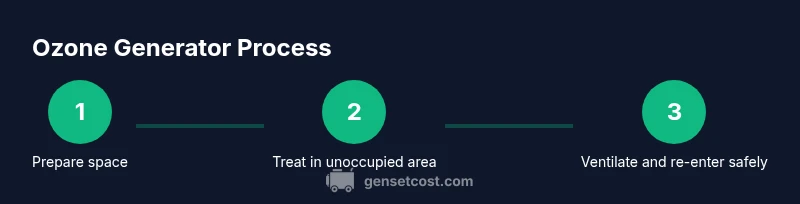
This section reinforces a cautious, methodical approach to ozone use. Start by confirming occupancy status and posting clear signage. Seal the space from adjacent areas to prevent unintended ozone migration, and position the generator so the outlet is accessible for quick shutoff. Connect the device to a timer for precise exposure control, and prepare ventilation after treatment. Do not adjust settings mid-treatment; keep to manufacturer instructions. After the run, ventilate thoroughly until any ozone odor is no longer detectable and air sensors indicate safe conditions. Finally, document the process for accountability and future planning. Pro tip: schedule treatments during periods when no one will be in the building.
Post-Treatment Ventilation and Re-Entry Checks
After the exposure period, turn off the generator and begin robust ventilation. Use multiple fans to facilitate air exchange and monitor ozone levels with a suitable detector if available. Re-entry should be gradual and informed by sensor readings, odor dissipation, and material tolerances. Do not rush back into spaces; verify that breathing air is clear and surfaces have no ozone residue or material damage risk. This step is critical to ensuring occupant safety and maintaining trust in odor-control efforts. The emphasis remains on safe return and adherence to safety protocols.
Safer Alternatives for Odor and Contaminant Control
If the goal is odor control or air cleaning, consider alternatives with lower health risk. Improve ventilation with high–airflow fans and dehumidifiers to accelerate odor removal. Use activated carbon filtration, HEPA air cleaners for particulates, and rigorous cleaning with appropriate detergents. Enlist professional remediation for mold or persistent contamination rather than relying on ozone alone. Genset Cost research highlights that alternatives often provide safer, more predictable results for homeowners and managers.
Cost Considerations and Value for Homeowners
Ozone generators require careful budgeting: device cost, energy use, maintenance, and the potential cost of failed inspections or material damage. Weigh the expense against the benefits of odor control, especially in sensitive spaces like homes with children or pets. Readers should consider long-term running costs and replacement parts when evaluating the value of ozone treatments. Genset Cost analysis notes that cost-savings should not come at the expense of safety; prioritize products with clear safety documentation and reputable support.
Compliance, Labeling, and Safe Storage
Check local regulations and labeling requirements before any use. Store ozone equipment in a dry, well-ventilated area away from living spaces, children, and food, and keep manuals accessible for reference. Maintain a log of when and where ozone treatments occurred, and ensure that all safety signs remain visible. This section reinforces the importance of responsible handling and documentation for ongoing compliance.
Tools & Materials
- Ozone generator(Ensure model is appropriate for room size and has adjustable output)
- Ozone detector / gas sensor(Portable device capable of reading ozone concentration (where legal))
- Timer or smart plug(Program to limit exposure time and automate shutoff)
- Ventilation equipment (fans)(Provide cross-ventilation to accelerate ozone dissipation)
- Personal protective equipment (PPE)(Respirator or APF-rated respirator, gloves, eye protection)
- Warning signs and barrier tape(Post entry restrictions during treatment)
- Sealing materials (tape, plastic sheeting)(Seal off treat area from adjacent spaces)
Steps
Estimated time: 2-6 hours
- 1
Identify space and occupancy
Confirm that the space will be unoccupied for the duration of treatment. Post clear signage to prevent entry and inform household members or tenants.
Tip: Use a centralized checklist and two people to verify occupancy status. - 2
Seal the area and plan ventilation
Close doors and seal vents where practical to limit ozone spread. Plan ventilation timing to ensure safe re-entry after treatment.
Tip: Keep access points clear for quick shutoff and airflow control. - 3
Position and connect the ozone generator
Place the device on a stable surface with ready access to the power source and timer. Do not obstruct exhaust openings or create trip hazards.
Tip: Test the timer once before the full run. - 4
Start the treatment in unoccupied space
Power on the generator only after you have verified occupancy is zero and signs are posted. Monitor device during the run.
Tip: Do not adjust output during operation. - 5
Wait the exposure time
Allow the device to run for the planned exposure period. Do not re-enter during this window.
Tip: Use a timer to ensure precise duration. - 6
Shut off and begin ventilation
Turn off the generator and start ventilation immediately to accelerate ozone dissipation.
Tip: Open doors and run fans in a cross-ventilated pattern. - 7
Ventilate and monitor safety before re-entry
Continue ventilation until air readings return to safe levels and there is no ozone odor. Verify with detectors if available.
Tip: Hold entry until readings confirm safety. - 8
Re-check space and document
Inspect surfaces for any damage and document the process for records. Confirm re-entry is safe.
Tip: Keep a written log for future treatments. - 9
Evaluate outcomes and plan next steps
Assess odor reduction, material impact, and whether a follow-up treatment is needed. Review costs and alternatives.
Tip: Consider safer or less intense options for recurrent odor issues.
People Also Ask
Is it safe to use an ozone generator indoors?
No. Ozone generators should not be used in spaces where people or pets are present. Use only in unoccupied areas and ensure thorough ventilation before anyone re-enters.
Ozone generators should not be used indoors with people present; wait until the space is unoccupied and ventilated.
How long should I run an ozone generator?
Run time depends on the space and the device; always follow the manufacturer's recommended exposure time and use a timer to prevent overuse.
Follow the device’s run-time recommendations and use a timer to prevent overexposure.
Can ozone generators disinfect surfaces?
Ozone can oxidize some contaminants, but it is not a reliable surface disinfectant. Cleaning with approved cleaners remains essential.
Ozone isn't a proven surface disinfectant; use proper cleaners for surfaces.
Are there regulatory restrictions on ozone generator use?
Regulations vary by jurisdiction. Check local health and environmental guidelines before use and ensure you comply with any required safety notices.
Check local laws and guidelines before using an ozone generator.
What are safer alternatives for odor control?
Ventilation, cleaning, activated carbon filters, and HEPA air cleaners are generally safer and effective for odor control.
Safer options include better ventilation and air-cleaning filters.
How do I know it’s safe to re-enter after treatment?
Wait until air readings show safe levels and there is no ozone odor before re-entering. Rely on detectors if available.
Only re-enter when readings confirm safe air quality.
Watch Video
Key Takeaways
- Use ozone generators only in unoccupied spaces
- Ventilate thoroughly before re-entry
- Follow manufacturer instructions and local guidelines
- Weigh safer odor-control alternatives first
- Document safety steps for ongoing compliance