Propane Generators for Home Backup: A Practical Guide
Explore propane-powered backup generators for home use—portable and standby options, sizing, fuel logistics, costs, and safety guidance for reliable power during outages.


Can you get a generator that runs on propane? Yes. You can buy propane-powered generators in portable and standby styles. Propane offers clean burning, good fuel stability, and easy refueling, though energy density is lower than gasoline. For many homes, propane is a practical backup option when natural gas isn’t available.
What propane generators are and why homeowners choose them
Propane generators are devices that burn LP gas stored in a propane tank to produce electricity during outages. Homeowners choose propane for its clean burning, long fuel shelf life, and the ability to store fuel without powering equipment. According to Genset Cost, propane models span compact portable units for camping to full-size standby systems that automatically start when power fails. The Genset Cost team found that propane's stable fuel price and clear safety guidelines make it a practical option for many properties, especially where natural gas connections are unavailable or unreliable. When evaluating options, consider fuel availability, storage space, and how you plan to power your essential circuits during an outage. Read on to understand the practical steps to select, size, and install a propane generator, plus the cost considerations and maintenance routines.
Propane vs. other fuels: pros and cons
Propane offers several advantages for home backup power. It stores for long periods without degrading, refuels quickly, and burns cleaner than many alternatives, reducing carbon emissions and indoor air concerns when used outdoors. Propane engines tend to require less maintenance than older gasoline engines and can start in cold weather with relative reliability. On the downside, propane has lower energy density than gasoline, so you may need a larger tank or more frequent refueling for higher loads. Costs can vary by location and tank ownership, and availability matters in extended outages. For most homes, propane provides a predictable, easy-to-manage fuel source, especially when you already use propane for heating or cooking. Genset Cost analysis notes these trade-offs to help homeowners balance convenience, cost, and reliability.
Portable vs standby propane generators
Portable propane generators are ideal for flexible, temporary power or for RVs and workshops where you want to move power around. Standby propane generators connect to a transfer switch, allowing automatic startup when outage conditions are detected, which minimizes manual intervention. Both types come in various power ranges and depend on a steady propane supply. The choice hinges on how urgently you need auto-start capability, how much space you have, and whether you want a unit permanently installed with a fixed propane line or a portable model you can relocate as needed.
Sizing your propane generator for your home
Determining the right size starts with a careful inventory of essential circuits you want powered during an outage. List appliances and systems you must keep running (refrigeration, heating, lights, medical devices) and estimate their load. Use a load calculator or consult a licensed electrician or generator specialist to translate that list into a continuous and surge-capable wattage target. Remember to include a buffer—opportunities to add a few critical comfort items without overburdening the generator. Proper sizing helps avoid chronic underperformance or unnecessary fuel consumption.
Fuel logistics: propane supply, storage, and safety
Propane fuel comes in tanks that must be properly stored outdoors, secured, and ventilated. Plan for a tank size that matches your generator’s runtime expectations and refueling schedule. Use only regulators and hoses rated for propane and installed per local codes. Keep fuel away from heat sources, ensure tanks are upright and protected from weather, and check for leaks regularly with soapy water—never with a flame. Proper storage and leak safety are essential to prevent outages from becoming hazardous events.
Electrical integration and transfer switches
For standby propane generators, a transfer switch or an interlock kit is essential. It isolates the home from the grid and prevents backfeed, protecting utility workers and appliances. Portable units can be used with a manual transfer approach in an emergency, but for safe, code-compliant operation, most homeowners upgrade to a permanently installed transfer switch with a professional.
If you’re new to electrical work, prioritize professional installation to ensure proper wiring, grounding, and compliance with local electrical codes. A quality transfer switch improves reliability and reduces the risk of accidental power loss that could damage sensitive electronics.
Cost considerations and potential savings
propane generators generally involve upfront costs for the unit and installation, plus ongoing fuel and maintenance expenses. While propane can be more expensive per gallon than some alternatives in certain markets, its long shelf life and clean combustion can lower maintenance costs over time. Storage and refueling logistics also influence the long-term budget. For homeowners, choosing propane can balance convenience, environmental considerations, and resilience, particularly in homes with existing propane heating or cooking fuel.
Installation considerations and permits
Standby propane systems typically require professional installation, including a gas line connection, transfer switch, and a weatherproof enclosure. Many municipalities require permits and inspections to ensure the system meets safety standards. A licensed installer can navigate local codes, ensure safe clearances around the tank, and coordinate with utility demand and building departments. Expect a multi-step process that may span a few days from assessment to final commissioning.
Maintenance and best practices
Routine maintenance helps propane generators stay reliable. Schedule regular air-filter inspections, spark plug checks, and battery health tests. Inspect hoses, regulators, and connections for leaks, and replace worn components before they fail. Run the unit periodically to keep fuel and lubricants fresh. Maintain a log of service dates and fuel quality checks to simplify future maintenance.
Safety tips and common mistakes
Never run a propane generator indoors or in enclosed spaces—fumes can accumulate and become deadly. Place units on a dry, level surface with excellent ventilation and away from doors or windows to prevent CO buildup. Avoid attempting DIY modifications to fuel lines or electrical systems; improper work can cause leaks, fires, or electrocution. Always refer to the manufacturer’s instructions and local codes for safe operation and maintenance.
How to choose a propane generator brand and model
Focus on reliability, service availability, and warranty terms. Look for models with durable enclosures, efficient fuel usage, and a solid track record in standby performance. Consider the availability of a local service network and whether the manufacturer offers zero-downtime support for outages. Matching a brand’s support footprint to your property’s needs helps ensure long-term satisfaction.
Quick-start upgrade plan and next steps
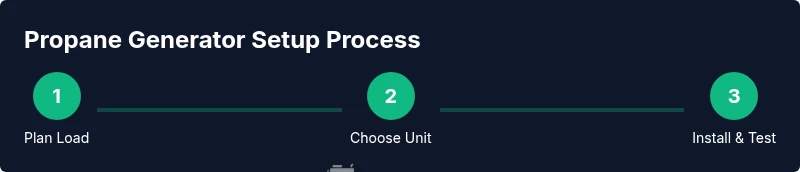
Start by calculating your essential-load profile and determining whether a portable or standby unit best fits your home. Obtain quotes from licensed installers for a transfer switch and gas-line work, and verify permit requirements with your local authority. Schedule a test run with the installer to confirm performance, then set up a maintenance calendar to keep the system ready for the next outage.
Tools & Materials
- Propane regulator and hose compatible with your unit(Ensure correct regulator type for your propane tank and generator input)
- Propane storage tank (upright, outdoor, CSA/UL listed)(Securely anchored; protect from elements but allow venting)
- Gas-rated flexible connector(Used for safe connections; follow local code limits)
- Transfer switch or interlock kit(Professional installation recommended for standby systems)
- Safety gear (gloves, goggles, hearing protection)(Wear during all installation and maintenance work)
- Fire extinguisher (ABC type)(Keep within reach at installation site)
Steps
Estimated time: 4-12 hours (planning and setup); professional installation may take 1-2 days depending on scope
- 1
Define power needs
List essential circuits and appliances you want powered during an outage. Translate those needs into a target continuous and surge load, then add a buffer for future growth.
Tip: Use a load calculator or consult a licensed electrician to ensure accuracy. - 2
Decide between portable vs standby
Consider how often you’ll use the generator, whether automatic start is important, and how much space you have for installation and fuel storage.
Tip: Standby units offer automatic operation but require professional installation. - 3
Plan fuel supply and storage
Assess tank size and refueling frequency. Map out safe outdoor placement and secure mounting to prevent tipping or weather damage.
Tip: Keep fuel away from ignition sources and check for leaks regularly. - 4
Ensure proper electrical integration
Prepare for a transfer switch or interlock kit to prevent backfeed and protect both your home and utility workers.
Tip: Do not attempt to wire a standalone generator into your panel without a proper transfer device. - 5
Obtain permits and schedule installation
Work with a licensed installer to obtain required permits and coordinate with your utility and building department.
Tip: Permitting helps ensure safety and code compliance. - 6
Test, train, and maintain
Perform a full-system test, verify fuel and electricity flows, and train household members on operation and safety.
Tip: Establish a maintenance cadence and keep a service log.
People Also Ask
Can propane generators run indoors?
No. Propane generators must be operated outdoors in a well-ventilated area to avoid dangerous buildup of carbon monoxide.
Propane generators must stay outdoors in a well-ventilated area to prevent carbon monoxide buildup.
Is a transfer switch required for standby propane generators?
Yes. A transfer switch or interlock is essential for safe automatic operation and to prevent backfeeding into the grid.
Standby generators require a transfer switch or interlock for safe, automatic operation.
What maintenance does a propane generator require?
Keep air filters and spark plugs clean, check hoses and regulators for leaks, and perform periodic run tests.
Regular checks on filters, plugs, and fuel lines keep propane generators reliable.
Can I convert a gasoline generator to propane?
Only if the generator is designed for dual-fuel operation. Converting a gasoline-only model is not recommended.
Conversions are only advised if the unit is designed for dual-fuel use; otherwise, use a propane-specific model.
How do propane costs compare to other fuels?
Propane costs vary by market, but long-term storage and stability can contribute to predictable, ongoing fuel planning.
Prices vary, but propane’s stable storage makes budgeting easier.
What’s the typical lifespan of a propane generator?
Lifespan depends on usage, maintenance, and model quality. Regular servicing typically extends performance and reliability.
Lifespan depends on use and upkeep; regular maintenance helps.
Do I need a professional for installation?
For standby systems and gas connections, professional installation is highly recommended to ensure safety and code compliance.
A licensed installer is strongly recommended for safe, code-compliant setup.
What features should I look for in a propane generator?
Look for auto-start capability, efficient fuel use, durable enclosures, service network, and a solid warranty.
Auto-start, efficiency, durability, strong service support, and warranty are key.
Watch Video
Key Takeaways
- Assess your essential load before choosing a unit
- Propane offers storage stability and clean combustion
- Standby systems require professional installation and permits
- Proper transfer switches improve safety and reliability
- Regular maintenance keeps propane generators ready