Can You Use a Generator Instead of Electricity? A Practical Guide
Explore safe, cost-aware ways to substitute a generator for grid power, including sizing, installation, fuel options, and maintenance for homeowners and property managers.


According to Genset Cost, you can use a generator instead of electricity to power essential loads during outages, but success depends on proper sizing, a code-compliant installation, and safe operation. A transfer switch or interlock kit is essential to prevent backfeeding, and ongoing fuel management and maintenance matter for reliability. This guide helps you evaluate whether a generator can replace grid power, how to size it, and what safety steps to follow.
Understanding the role of generators in home power
A generator provides electricity by converting fuel into electrical energy, which is then used to run appliances, lights, and devices. In a typical outage, a home standby generator connected to your electrical panel through a transfer switch can automatically supply power to designated circuits. Portable generators require manual setup and outdoor placement. The biggest difference between generator power and grid electricity is control, reliability, and how you connect to your home circuits. When used correctly, a generator can keep essential systems running during a blackout, protect food and medication, and provide comfort. However, improper installation or operation can cause backfeeding to the utility, carbon monoxide buildup, or electrical hazards. For homeowners and property managers, the decision to substitute electricity with a generator involves planning, safety, and ongoing costs. This is where Genset Cost's guidance helps you evaluate trade-offs and determine whether a generator can effectively replace some or all of your grid electricity during outages.
Sizing and load considerations for a generator
Sizing a generator starts with your essential loads and how often you experience outages. Focus on circuits that, if lost, cause the most disruption: refrigeration, lighting, essential outlets, sump pumps, and basic heating or cooling controls. Distinguish between running watts (the continuous load) and starting watts (the surge when machines like refrigerators start). Rather than chasing exact numbers, plan for a cushion above your average running load to handle startup surges. Create a simple, prioritized list of devices and rank them by importance. If you’re unsure about your load, many homeowners rely on a professional assessment or an online load calculator. A properly sized unit minimizes fuel waste, reduces carbon monoxide risks, and improves overall reliability during prolonged outages.
Installation basics: transfer switches and safety
A transfer switch is the heart of a safe generator installation. It isolates your home’s circuits from the utility grid during a power loss, preventing backfeed that could endanger line workers and equipment. You can opt for a manual transfer switch (you flip it during an outage) or an automatic transfer switch (the panel detects outages and starts the generator automatically). In either case, work with a licensed electrician to ensure bonding, grounding, and proper wiring to the main panel. If you don’t have a transfer switch, an interlock kit can be a temporary or retrofit solution, but it requires careful alignment with your panel’s design. Never bypass these safeguards, and always install a carbon monoxide detector near sleeping areas and well-ventilated, outdoor installation spots for the generator itself.
Fuel options, storage, and efficiency
Generators run on fuels such as gasoline, propane, or natural gas. Each fuel type has advantages and trade-offs in terms of availability, storage, cost, and emissions. Gasoline requires careful storage and periodic rotation; propane stores longer but may supply fewer BTUs per tank. Natural gas offers easier refueling but depends on your gas line capacity and local pressure. Regardless of fuel choice, outdoor placement on a solid, level surface with adequate clearance is essential. Maintain fuel stability, use appropriate hoses and connectors, and never store fuel indoors or near living spaces. Regularly inspect fuel lines for cracks and leaks, and follow local codes for outdoor fuel storage.
Operation, maintenance, and safety practices
Regular operation is key to reliability. Start your generator on a planned schedule to exercise the engine and prevent stagnation. During outages, monitor load to avoid overtaxing the unit and ensure proper cooling. Keep an up-to-date maintenance schedule: oil changes, air filter checks, battery health, and spark plug inspections. Store spare fuses, spare oil, and fuel stabilizers in a safe location away from living areas. Install a smoke alarm and a CO detector in the home and test both detectors regularly. If you smell fuel fumes or hear strange noises, shut down immediately and inspect the setup. Proper maintenance extends life, improves efficiency, and reduces the risk of unexpected failure when you need backup power most.
Costs, budgeting, and value
Investment in backup power varies widely based on size, features, and installation complexity. Beyond the generator itself, you’ll likely encounter costs for a transfer switch, wiring, possible upgrades to service panels, permits, and professional installation. Ongoing expenses include fuel, periodic maintenance, and potential battery replacements for automatic start systems. Consider total cost of ownership over the system’s life, factoring in fuel availability and maintenance frequency. While exact prices fluctuate by market and region, a well-planned setup can offer predictable reliability and peace of mind during power outages.
Permits, codes, and safety you should know
Local codes and national standards govern generator installations. In many jurisdictions, a transfer switch installation requires a licensed electrician and may need electrical permits and inspections. NFPA codes and NEC articles related to standby power emphasize safe clearance, exhaust routing, and carbon monoxide prevention. Always verify permit requirements before installation. Use outdoor-rated enclosures, maintain proper clearance for ventilation, and ensure safe, dry placement away from doors and windows. Keeping up with local regulations protects occupants and ensures your system remains compliant as codes evolve.
Quick-start checklist and decision points
If you’re weighing a generator for your home, start with a clear checklist: identify essential loads, pick a fuel option you can reliably supply, determine whether you need a manual or automatic transfer switch, and plan for professional installation. Consider your climate, outage frequency, and budget. If you answer yes to the key questions—does the generator fit my essential loads, is a transfer switch feasible, and can I secure safe fuel storage—then you’re ready to request quotes and compare installers. This process helps homeowners and managers decide whether a generator can replace grid electricity for critical functions without compromising safety.
Budgeting and long-term value: a quick synthesis
Overall value comes from reliable performance, code-compliant installation, and reasonable ongoing costs. A generator that powers essential circuits during outages increases resilience for homes and property management portfolios, especially in climates with frequent outages. When evaluating options, consider resale value and the convenience of automatic start features. The most cost-effective choice balances upfront investment with a low long-term fuel and maintenance burden, providing dependable backup power when grid electricity is unavailable.
Tools & Materials
- Portable generator(Outdoor use only; match wattage to essential loads; verify fuel compatibility)
- Automatic or manual transfer switch(Select based on desired automation level and panel compatibility)
- Interlock kit (optional)(Alternative to a transfer switch; ensure panel compatibility)
- UL-listed cables and adapters(Outdoor-rated, appropriate gauge for the load)
- Fire extinguisher(Keep within reach in exterior installation area)
- Carbon monoxide detector(Place inside home near sleeping areas and test regularly)
- Fuel storage containers (outdoors, sealed)(Store away from living spaces and heat sources)
- Fuel hoses/connectors for chosen fuel type(Inspect for cracks or leaks; use manufacturer-approved parts)
- Basic tools and safety gear(Wrench set, multimeter, gloves, eye protection)
- Permits and inspection (if required)(Consult local authorities; may require electrician and inspection)
Steps
Estimated time: 6-12 hours
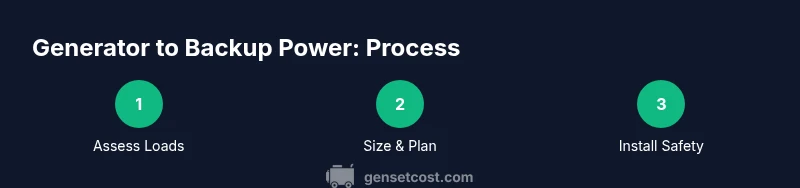
- 1
Assess essential loads
Create a prioritized list of circuits you want powered during outages. Start with refrigeration, lighting, communication devices, essential outlets, and pumps. This helps determine the generator size and transfer-switch requirements.
Tip: Begin with a floor plan of critical rooms and devices to map circuits. - 2
Estimate required sizing
Use a load calculator or consult a professional to estimate running and starting watts for your essential loads. Plan for a cushion for startup surges and future needs.
Tip: Prefer a slightly larger unit than your bare minimum to avoid overloading. - 3
Choose transfer method
Decide between a manual transfer switch, an automatic transfer switch, or an interlock retrofit. Each option affects safety, cost, and convenience.
Tip: A licensed electrician can confirm the best option for your panel. - 4
Plan outdoor placement and ventilation
Place the generator on a solid, level surface with clearances from doors, windows, and vents. Ensure proper exhaust routing and weather protection.
Tip: Never enclose or indoors the generator; provide adequate airflow. - 5
Install connections to the main panel
Have a licensed electrician install the transfer switch and wiring to the main panel. This step secures safe isolation from the grid and prevents backfeeding.
Tip: Verify permits and inspections are completed as required. - 6
Test, run, and establish maintenance
Perform a supervised test to confirm proper operation, then create a maintenance routine: oil checks, battery tests, and periodic exercise runs.
Tip: Document test results and schedule regular service.
People Also Ask
Can I run my whole house on a generator?
Yes, with a properly sized standby generator and a dedicated transfer switch, but most homes power only essential circuits during outages to keep fuel use reasonable and ensure reliability.
Yes, but it usually powers only essential circuits rather than the entire home.
Do I need a transfer switch?
A transfer switch isolates your home from the utility and prevents dangerous backfeeding. It is strongly recommended for safety and code compliance.
Yes. A transfer switch is essential for safe, code-compliant operation.
Is it safe to run a generator indoors?
No. Always place generators outdoors on a firm surface with proper venting and CO detectors inside the home.
No—always run it outdoors with CO detectors inside the home.
What maintenance is required for standby generators?
Regular oil changes, air filter checks, battery tests, and periodic exercise runs keep the unit reliable between outages.
Keep up with oil, air filters, and battery maintenance, plus periodic starting tests.
Can I install a generator myself?
Installations involving the main panel usually require a licensed electrician and possibly permits. DIY options may exist for portable setups outside the main panel.
Electrical connections to the main panel should be done by a pro.
How long can I run a generator on a full tank?
Run-time depends on tank size and load; avoid running at peak load continuously and plan fuel logistics for longer outages.
Run-time varies with tank size and load; plan fuel accordingly.
What permits might I need?
Permits and inspections are common for permanent installations; check local authorities to ensure compliance.
Check local regulations for permits and inspections.
Watch Video
Key Takeaways
- Size the generator to essential loads with a safety margin
- Use a transfer switch for safe, code-compliant operation
- Maintain fuel, oil, and battery for reliability
- Hire a licensed electrician for installation and permits