Home Gas Electric Generator: A Practical Sizing and Cost Guide
Compare costs, sizing, and installation for a home gas electric generator. Learn how to estimate load, choose fuel options, plan transfer switches, and ensure reliable backup power in 2026.


A home gas electric generator provides automatic back‑up power by running on natural gas and feeding your home's electrical panel via a transfer switch. This setup minimizes manual operation, reduces fuel handling, and often offers faster startup during outages. For many homeowners, a gas-powered standby solution delivers reliable resilience and long-term cost savings compared to portable options.
Why a gas-electric backup matters for homeowners
When you invest in a home gas electric generator, you’re choosing a system that can automatically detect a power outage and start without manual intervention. The combination of a natural gas fuel supply and an electrical transfer switch reduces the burden of refueling and emergency starts. Homeowners value the peace of mind of a predictable startup during thunderstorms, outages, or peak demand events. In this context, the gas-electric approach often balances efficiency, reliability, and startup speed better than purely portable options. The Genset Cost team emphasizes that a well‑sized gas generator minimizes disruption to essential loads such as refrigerators, sump pumps, lighting, and climate control. Real-world performance varies by fuel line quality, transfer switch sizing, and local utility requirements, so a professional assessment is essential.
Key takeaway: Proper sizing and professional installation are critical to maximize resilience and minimize downtime during outages.
Sizing your home: how to calculate loads
To size a gas-powered backup correctly, begin with a comprehensive load assessment. List critical circuits (essential lights, well pumps, HVAC, refrigerator/freezer, water heater) and estimate their running wattage. Add a safety margin of 10–20% to accommodate startup surges and future needs. Instead of chasing an exact number, aim for a generator in the 8–20 kW range for typical homes, then refine with an electrician’s load analysis. Consider not only running watts but peak watts, which occur when multiple devices start simultaneously. Additionally, factor in climate considerations (summer cooling or winter heating) and any future renovations that may affect power demand. This approach helps avoid buying too little or overspending on excess capacity.
Tip: Use a formal load calculation worksheet and cross-check with your installer.
Fuel considerations: natural gas vs propane and dual-fuel setups
Gas-electric systems commonly run on natural gas, which provides a convenient, continuous fuel supply if your home already has a gas line. When natural gas is unavailable or limited by pressure, a dual-fuel option can switch to propane or a secondary fuel source, offering flexibility during supply disruptions. Propane stores safely on-site but requires regular refilling and a larger storage footprint. Dual-fuel configurations can complicate maintenance and cost, so weigh convenience against long-term reliability and annual running costs. Remember that fuel choice also influences start-up time, emission profiles, and panel interconnection requirements.
Note: The fuel type you select should align with local gas availability, building codes, and the recommendations of your licensed installer.
Installation and code considerations
Installation is more than bolting a generator to a pad. A compliant gas-electric backup system typically requires a permanently installed automatic transfer switch (ATS), proper clearance from structures, exhaust routing, and a dedicated fuel line with pressure regulation. Local permits, building codes, and utility interconnection standards shape the project scope and timeline. A professional installer should verify generator clearance, exhaust clearances, and proper venting to avoid carbon monoxide risks indoors or in attached garages. Testing procedures, commissioning, and a documented maintenance plan are essential for long-term reliability.
Strategy tip: Ask for a written checklist covering ATS sizing, gas pressure testing, grounding, and seasonal testing.
Costs and value: upfront, installation, and maintenance
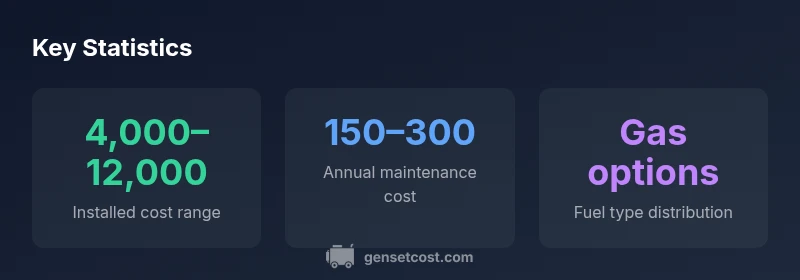
Budgeting for a gas-electric backup begins with the base price of the unit and the complexity of installation. Typical ranges account for the generator itself, transfer switch, and labor, with larger homes and more complex fuel arrangements driving costs higher. Beyond installation, consider ongoing expenses like oil changes, air filter maintenance, battery checks, and periodic system testing. While initial outlay can be substantial, the long-term value lies in avoided outage-related losses, improved property resilience, and potential insurance credits or rebates in certain regions. It’s essential to obtain multiple quotes and verify that each includes the transfer switch, fuel line inspection, and a service plan.
Bottom line: A well-planned gas-electric backup often yields favorable total cost of ownership when sized correctly and installed to code.
Maintenance, warranties, and service
Maintenance for gas-electric generators is a mix of routine care and periodic professional service. Typical tasks include oil and filter changes, spark plug inspection (where applicable), air filter replacement, and battery health checks. Fuel line integrity and regulator performance should be inspected regularly, especially in regions with harsh weather or long outages. Warranties usually cover manufacturing defects and certain installation aspects, but terms vary widely by brand and installer. Establish a maintenance schedule aligned with the manufacturer’s recommendations and keep a log of service visits and fuel availability checks.
Best practice: Schedule annual professional maintenance visits and semi-annual self-checks to ensure readiness.
Reliability and safety: keeping your system ready
Reliability hinges on a combination of proper sizing, quality installation, and consistent maintenance. Implementing a routine run-test (monthly or quarterly) helps ensure the unit starts within seconds and carries its designed load. Safety features such as a properly rated transfer switch, enclosure ventilation, and CO detectors near living spaces are crucial. If you have an attached garage, ensure the generator is in a well-ventilated external location to avoid indoor CO exposure. Documentation about code compliance and safe fuel handling should be readily accessible for emergency scenarios.
Pro tip: Work with a contractor who provides a clear preventive maintenance schedule and service alerts.
Planning checklist: from assessment to activation
- Conduct a formal load calculation for essential circuits.
- Decide on natural gas or dual-fuel configuration with professional advice.
- Obtain at least three quotes including ATS, gas line work, and permits.
- Verify local codes, permits, and utility interconnection requirements.
- Plan for weatherproof, accessible outdoor installation with proper clearances.
- Ensure a documented maintenance and testing schedule.
- Review warranty terms and service options with the installer.
- Schedule a commissioning test and create a start-up routine for outages.
Common generator options and considerations
| Category | Typical Range | Key Considerations |
|---|---|---|
| Standby gas generator | 4,000-12,000 | Includes transfer switch; professional installation required |
| Portable gas generator | 500-2,500 | Not recommended for full-home outages; manual setup |
| Dual-fuel unit | 5,000-15,000 | Fuel flexibility; more complex installation |
People Also Ask
What is a home gas electric generator?
A home gas electric generator is a standby system that runs on natural gas or propane to generate electricity during outages. It connects to your home's electrical panel via a transfer switch, automatically starting when grid power fails.
A standby generator powered by natural gas starts automatically during a power outage.
How do I size a gas-powered backup generator for my home?
Start by listing essential circuits and appliances; estimate peak load; consider a generator rating that exceeds the sum by 10–20%. Work with a licensed electrician to verify cable sizing and transfer switch capacity.
Size by listing essentials and calculating peak draw.
What is the difference between standby and portable gas generators?
Standby units are permanently installed with automatic transfer switches; portable units are moved and manually started. Standby provides automatic power during outages; portable has limited power and safety risks.
Standby auto-starts; portable requires manual setup.
Do I need a transfer switch for a gas-electric generator?
Yes, transfer switches safely route power to essential circuits and prevent backfeeding. They are typically installed by a licensed professional and are part of most standby systems.
A transfer switch is essential for safe automatic switching.
What maintenance does a gas generator require?
Regular service includes oil changes, filter replacements, and battery checks; run weekly test cycles; ensure gas supply line is leak-free and schedule professional inspection annually.
Keep up with oil changes and weekly tests.
What about fuel costs and efficiency for gas generators?
Fuel costs depend on local gas prices and usage. Dual-fuel options offer flexibility; compare running costs and expected run-time estimates based on your load profile.
Fuel costs vary with usage and fuel type; plan ahead.
“A well-planned gas-electric backup solution balances fuel reliability, electrical interconnection, and long-term maintenance.”
Key Takeaways
- Size your generator with a formal load calculation
- Gas offers a convenient fuel source but verify local gas availability
- A transfer switch is essential for safe automatic operation
- Expect installation to be a significant part of total cost
- Schedule regular maintenance and annual professional service