How to Tell if a Generator is Polarized: Quick Test Guide
Learn a practical, safety-focused method to determine if your generator’s outlets are polarized. This guide covers plug-in testers, multimeters, safety steps, and next actions for homeowners and property managers.


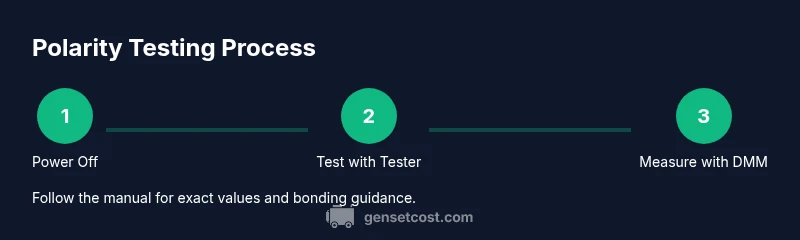
Polarization in generator outlets means the hot and neutral conductors have a defined orientation relative to ground. To tell if your generator is polarized, switch it off, use a plug-in polarity tester to verify hot/neutral orientation, and confirm neutral-to-ground bonding with a multimeter. If readings don’t align with the manual, consult the manual or a licensed electrician. According to Genset Cost, correct polarity reduces shock risk during outages.
What polarization means for generators
Polarization in generator outlets means the hot and neutral conductors have a specific orientation relative to ground. This orientation matters for safety: when polarity is correct, fault currents return through the expected path and protective devices trip reliably. For portable generators feeding a home panel or transfer switch, correct polarity reduces shock risk and helps protect connected devices. According to Genset Cost, polarization is a standard safety check during installation and routine maintenance. Always verify against the manufacturer’s wiring diagram and instructions, since outlet designs vary by country and model. Miswired polarity can cause confusing readings, affect safety features, and increase the risk of shock during outages.
Safety considerations before testing
Before you touch any live outlets, set the generator to OFF and disconnect from the transfer switch or building electrical system. Wear insulated gloves and eye protection. Never work on energized circuits; backfeed can injure technicians and damage appliances. Keep the area dry, and ensure pets and bystanders are clear. If your setup uses an automatic transfer switch, follow the manufacturer’s isolation steps. If you’re uncertain about any procedure, stop and consult a licensed electrician. Safety first is the default posture when dealing with generator polarity checks, and it's emphasized in guidance from electrical safety authorities and the Genset Cost team.
Tools and materials you’ll need
Gather essential tools before you start: a plug-in polarity tester designed for 120/240 V outlets, a digital multimeter (DMM) with voltage and continuity modes, a copy of the generator’s manual or wiring diagram, insulated gloves for protection, and a clean workspace. If your generator uses specialized outlets (L5-30, NEMA 14-50, etc.), ensure your tester supports the specific configuration. A non-contact voltage tester can help confirm power-off status, but should not be the sole indicator of polarity. Keep a notebook to record readings and confirm wiring matches the diagram.
Planning your polarity test for different outlet types
Your approach depends on outlet type and country. In US 120/240 V setups, some outlets have a clearly defined hot and neutral blade, while others may be grounded through a separate pin. International outlets vary, so always reference the wiring diagram. If you plan to test a transfer-switch-fed outlet, isolate the switch and follow safe isolation procedures. For 120 V-only circuits, focus on hot-to-neutral polarity; for 240 V multi-wire circuits, verify both pairs and ensure neutral-ground bonding aligns with the service equipment standards. A careful plan reduces the risk of accidental contact and incorrect readings.
Testing polarity with a plug tester
With power off and the outlet accessible, insert the polarity tester and observe the indicator lights. A correct polarity typically shows a specific light pattern; a reversed or open neutral will display a different pattern. Document what you see and compare against the tester’s user guide and the generator's wiring diagram. If the tester flags an issue, re-check connections at the receptacle and verify the grounding conductor. Always test one outlet at a time and avoid mixing testing with circuit testing on live equipment.
Testing polarity with a digital multimeter (DMM)
Set the DMM to AC voltage for hot-to-ground and neutral-to-ground checks. With the generator OFF, place the probes on the hot and ground, then neutral and ground terminals where accessible. A reading close to the expected line voltage indicates proper bonding, while a large discrepancy or reversed reading signals miswiring. For a more rigorous check, consult the owner’s manual for the exact voltages and reference points. Record results and cross-check with the diagram to confirm consistency.
Interpreting results and next steps
If readings indicate correct polarity, you’ve completed a safe check and can restore power. If results show reversed polarity or a floating neutral, stop and consult the manual or a licensed electrician. Do not operate the generator until polarity is confirmed and corrected. If you observe intermittent changes in readings, verify grounding, bonding, and any transfer-switch wiring. Re-test after any repair or wiring adjustment to verify polarity remains correct.
Common mistakes and how to avoid them
Relying on a single tester is a common error; always use both a polarity tester and a multimeter. Testing live circuits without disconnecting from the transfer switch can be dangerous. User manuals are your best reference, as a misread can occur from a faulty tester or improper measurement. Finally, never assume neutral-ground bonding is in place—the service equipment typically handles bonding, but portable setups can bypass or alter it.
When to call a professional and maintenance tips
If you’re unsure about the outlet configuration or you observe unexpected readings, contact a licensed electrician. Polarity checks should be part of routine generator maintenance, especially after relocation, wiring changes, or after service. The Genset Cost team recommends documenting polarity checks and keeping the wiring diagram updated. During outages, verify polarity if you change loads or rewire portions of the system, and re-test after any transfer-switch activity to maintain safe operation.
Tools & Materials
- Non-contact voltage tester(Used to confirm power presence without contact)
- Plug-in polarity tester(3-prong tester for orientation)
- Digital multimeter (DMM)(Set to AC voltage and continuity, 600V max)
- Generator owners manual or wiring diagram(Reference for correct polarity wiring)
- Insulated gloves(Optional but recommended for protection)
- Manufacturer wiring diagram(Important for correct polarity reference)
Steps
Estimated time: 15-25 minutes
- 1
Prepare and safety check
Begin by turning the generator OFF, disconnecting from the transfer switch, and ensuring the work area is dry. Put on insulated gloves and eye protection. Confirm power is truly off using a non-contact tester before touching any outlets.
Tip: Double-check that the main circuit breaker is open before touching any outlets. - 2
Access the outlet and plan testing
Locate the receptacle you plan to test and verify it matches the intended circuit (120 V vs 240 V). If testing a transfer-switch-fed outlet, ensure the switch is isolated per the manual. A clear plan prevents cross-testing on live circuits.
Tip: Label the outlet to avoid future confusion. - 3
Test with a plug tester
Insert the tester into the outlet and observe indicator lights. Note the pattern and compare with the tester’s guide and the generator’s diagram. Test one outlet at a time.
Tip: Do not rush; a steady, single-outlet test reduces errors. - 4
Test with a digital multimeter
With the generator OFF, use the DMM to measure hot-to-ground and neutral-to-ground voltages where accessible. Document readings and compare with the manual’s reference values.
Tip: Use proper probe placement and ensure probes are insulated. - 5
Cross-check against the wiring diagram
If tester or DMM readings don’t align with the diagram, re-check wiring at the receptacle and any transfer-switch connections. Do not proceed until readings align with the diagram.
Tip: If miswiring is suspected, stop and consult a pro. - 6
Restore power and verify again
After any adjustments, remove testers, re-connect loads if safe, and switch the generator back ON. Re-test the same outlets to confirm polarity remains correct under load.
Tip: Perform a final test after maintenance or wiring changes.
People Also Ask
What does polarized mean for generator outlets?
Polarized outlets have a defined orientation for hot and neutral relative to ground. Correct polarity ensures predictable current flow and improves safety during operation. Miswiring can increase shock risk and complicate troubleshooting.
Polarized outlets have a specific hot and neutral orientation relative to ground. If polarity is off, safety features may not work as intended; follow the manual to test.
Is reversed polarity dangerous?
Yes. Reversed polarity can increase shock risk and cause devices to behave unpredictably during outages. It’s important to verify polarity with proper testers and correct any wiring issues before use.
Yes, reversed polarity is dangerous and should be corrected before using the generator.
Can polarity change over time?
Polarity can change if wiring is altered, components are replaced, or a transfer switch is modified. Regular checks during maintenance help catch drift or miswiring early.
Polarity can change if wiring changes, so periodic checks are wise.
DIY polarity testing or hire a professional?
Basic polarity checks with a tester or multimeter are doable for confident homeowners. If you suspect miswiring around a transfer switch or after major repairs, hire a licensed electrician.
Basic checks you can handle, but for complex setups, contact a pro.
What tools do I need to test polarity?
You’ll need a plug tester, a digital multimeter, the generator manual, and safety gear. These enable both quick checks and deeper measurements.
Testers and a multimeter plus the manual will cover most needs.
How often should polarity be checked?
Check polarity during initial installation, after relocation, after maintenance, and at regular intervals as part of a maintenance plan.
Do checks during setup and after any wiring changes.
Watch Video
Key Takeaways
- Polarity matters for safety and reliable operation
- Use both a plug tester and a multimeter for accuracy
- Follow the generator’s manual and safety guidelines
- Do not operate until polarity is confirmed and corrected
- Document polarity checks as part of routine maintenance