How to Use a Generator in Fallout 4: Settlement Power Guide
Learn how to use a generator in Fallout 4 to power settlements. This step-by-step guide covers sizing, placement, wiring, and maintenance for reliable in-game power across outposts and bases.


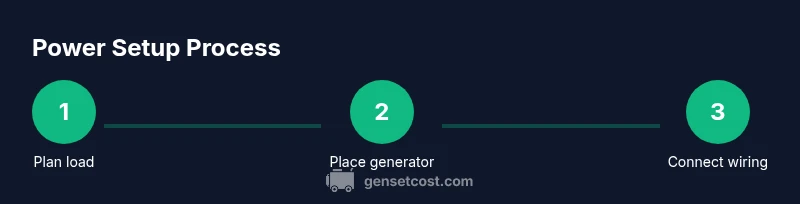
Learn how to use a generator in Fallout 4 to power your settlements efficiently. This guide walks you through selecting the right generator size, placing and wiring it, connecting devices, and ongoing maintenance. You’ll optimize energy use for small outposts and larger bases, reduce fuse trips, and keep essential systems running during a siege. Follow the steps to ensure reliable power in your settlement.
How the Fallout 4 power system works for settlers
Power in Fallout 4 settlements operates on a simple but crucial idea: a generator provides a source of electrical power that must be distributed through a network of conduits and relays to every device you want powered. The more devices you connect, the greater the load on your grid. This means you must plan where the generator sits, how you route power, and which devices should receive priority during peak activity or siege moments. The core concepts to understand are generator capacity, the wiring network, and load balancing. By framing your outpost around a scalable power layout, you can keep essential systems online without overloading your grid. As you grow, you’ll often upgrade from a small generator to larger units or add multiple sources to maintain reliability, especially in larger settlements or during heavy loot runs.
How the Fallout 4 power system works for settlers
Power in Fallout 4 settlements operates on a simple but crucial idea: a generator provides a source of electrical power that must be distributed through a network of conduits and relays to every device you want powered. The more devices you connect, the greater the load on your grid. This means you must plan where the generator sits, how you route power, and which devices should receive priority during peak activity or siege moments. The core concepts to understand are generator capacity, the wiring network, and load balancing. By framing your outpost around a scalable power layout, you can keep essential systems online without overloading your grid. As you grow, you’ll often upgrade from a small generator to larger units or add multiple sources to maintain reliability, especially in larger settlements or during heavy loot runs.
How to size a generator for your settlement
Sizing a generator starts with a clear inventory of what you want powered: lights, turrets, crops, water pumps, shops, and other amenities. Start with the basics, then expand. If you’re new, begin with a single Small Generator to cover essential needs like lighting and a couple of defenses. For growth, compare the anticipated load to the generator’s rated power and factor in seasonal spikes (even in-game, sieges and busy hours demand more). The goal is to avoid frequent outages by giving your grid room to breathe while not overspending on unused capacity. In practice, estimate the number of devices and their typical power draw, then select a generator size that comfortably covers that baseline with some headroom for expansion.
Placing the generator and routing power
Placement matters for efficiency and accessibility. Put the generator in a sheltered but well-ventilated area away from doors and high-traffic zones to reduce path obstructions and accidental damage. From there, lay out power conduits to connect the generator to central hubs first—like workshops and lighted zones—then extend to peripheral devices. Use relays to manage longer runs and to avoid power drops across distant sections. Always plan a logical loop rather than random wiring paths so you can troubleshoot quickly if a zone loses power. Finally, test connections in small clusters to confirm everything lights up as intended before expanding.
Connect devices and manage loads
After wiring, prioritize essential devices: settlement lights, guard posts, and water pumps. Connect high-value assets first, then add decorative or non-critical appliances as you gain spare capacity. Use the game’s power HUD to monitor live load and available capacity. If you notice a drop in power after adding a new device, reassess the load distribution or upgrade the generator size. In some layouts, you may distribute power via relays to avoid long wiring runs, which can reduce loss and improve response time during combat or scavenging missions.
Fuel and maintenance considerations
In vanilla Fallout 4 settlements, generators are straightforward: keep them fueled and ensure a clean placement with no obstructions. Maintain the network by inspecting conduits for breaks after combat or heavy use, and replace any damaged components promptly. If you incorporate DLC or mods that alter fuel mechanics or add new power sources, adapt by re-balancing loads and adding capacity accordingly. Regular checks help prevent outages and extend the life of your power infrastructure, so schedule a quick maintenance pass after major battles or settlements expansion.
Advanced layouts: small outpost vs large base
For a small outpost, a single Small Generator with a short conduit loop is usually sufficient. Add a few relays for efficient distribution and keep the grid simple to minimize maintenance. For larger bases, plan multiple power nodes: one or two generators connected to a central relay hub feeding several branches. This approach spreads the load and provides redundancy if one generator goes offline. Use zoning: keep residential lighting separate from workshops and security systems to avoid accidental overload and to make troubleshooting faster. As you expand, consider additional generators or alternative power sources to keep momentum during busy play sessions.
Troubleshooting common issues in-game
When power drops or fails to reach areas, start with the basics: verify the generator is active, confirm conduits are connected to the intended devices, and check for any obstructions that interrupt the grid path. If a zone stays dark, test the conduit in that area and consider re-routing power through a nearby relay. If a device still won’t power, confirm it isn’t damaged by enemy action or blocked by furniture, then rewire as needed. Regular testing after changes helps catch problems early and keeps your defenses and lighting reliable.
Modding and future-proofing power setups
Mods can expand power options, offering more generators, fuel mechanics, or smarter distribution. If you install mods, treat them as an enhancement to the base system—map out your grid first, then layer on additional power sources as needed. Document your layout so you can adjust quickly after mod updates. Future-proofing also means maintaining flexibility: keep some headroom for growth, plan modular connections, and avoid locking your layout into a single configuration that would be hard to adapt when your settlement scales.
Tools & Materials
- Small Generator(Baseline power source for compact settlements)
- Medium Generator(Better for mid-sized settlements with higher load)
- Large Generator(Recommended for large bases with many devices)
- Power Conduit(Connects generator to the grid and devices)
- Power Relay(Distributes power to distant areas and branches)
- Electrical Components(Wiring and repair materials for the grid)
- Wiring Tool (if available)(Optional for complex layouts or mods)
Steps
Estimated time: 60-90 minutes
- 1
Assess settlement power needs
Inventory essential devices you want powered (lights, defenses, pumps, shops). Estimate peak load and future growth to avoid undersizing.
Tip: Start small and scale up as your settlement expands. - 2
Choose generator size
Select a generator that comfortably covers your baseline load with headroom for growth. Avoid overprovisioning to keep costs reasonable in-game.
Tip: If unsure, start with a Small Generator and upgrade later. - 3
Place generator safely
Position the generator in a sheltered, accessible area away from doors and busy paths to minimize obstruction and risk of damage.
Tip: Leave space for maintenance access and routine checks. - 4
Lay out power conduits
Run conduits from the generator to central hubs first, then to peripheral devices. Plan a clean path to reduce backtracking.
Tip: Group critical zones near the main conduit line for efficiency. - 5
Install relays for distribution
Place power relays to distribute power along multiple branches and to reduce voltage drop across long runs.
Tip: Use relays to segment zones and simplify troubleshooting. - 6
Connect essential devices
Power lights, defenses, water pumps, and key workshops first. Verify each connection works after wiring.
Tip: Test one section at a time to isolate issues quickly. - 7
Test and optimize
Check the grid’s load with the HUD, adjust as needed, and add capacity if you notice outages during peak activity.
Tip: Document changes so you can revert if something fails. - 8
Maintenance and future-proofing
Schedule periodic checks, replace worn components, and plan for additional generators as you grow.
Tip: Keep spare parts handy and update layouts after major expansions.
People Also Ask
Do I need a generator for every settlement?
Yes. Each settlement requires its own power network. Plan a generator and wiring layout that supports your settlement’s current needs and future growth.
Yes. Each settlement needs its own power setup, so plan accordingly.
What is the simplest setup for beginners?
Start with one Small Generator and a short conduit loop to power basic lights and a couple of defenses. Expand gradually as you add more devices.
Begin with a small generator and a basic conduit layout, then expand as you grow.
Can I power all devices with a single generator?
It depends on your load. For small settlements, a single generator may suffice; for larger bases, add more generators or upgrade to a larger unit with strategic wiring.
It depends on your load—smaller bases can work with one generator, larger bases usually need more.
Are there safety concerns when placing a generator?
Place the generator in a sheltered but accessible area, away from doors and high-traffic zones to prevent obstruction and accidental damage during combat.
Place it in a safe, accessible spot away from doors and crowded areas.
How do I tell if I’m overloading my generator?
If the settlement HUD shows a heavy load or outages occur with new devices, you’re exceeding capacity. Reduce load or upgrade capacity before adding more devices.
Watch the HUD for overload indicators and scale up or rewire as needed.
Do mods affect how generators work in Fallout 4?
Yes. Mods can change generator behavior, add new power sources, or alter wiring rules. Adapt your layout to the modded behavior and test thoroughly.
Mods can change power behavior, so adapt and test accordingly.
Watch Video
Key Takeaways
- Assess load before choosing a generator size
- Plan placement to maximize accessibility and efficiency
- Use relays to distribute power and reduce loss
- Prioritize essential devices and test wiring in stages
- Maintain and expand power capacity as settlements grow