Power Generator for Power Outage: A Complete How-To Guide
Learn how to choose, size, and install a power generator for power outage scenarios. Compare portable and standby options, explore fuel types, and understand costs, maintenance, and setup for reliable home backup power.


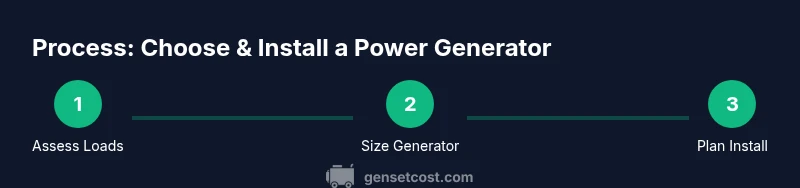
Definition: A power generator for power outage is a device that converts fuel into electricity to keep essential loads running during a grid failure. For homeowners, the right choice depends on your expected load, available fuel, and whether you want portable convenience or a permanent standby system. Begin by listing critical appliances, then size the unit with a comfortable overhead and compare portable versus standby solutions.
Why a power generator is essential during power outages
When the lights go out, a properly sized power generator keeps critical systems online—refrigeration, heating or cooling, medical devices, and communications. The Genset Cost team emphasizes that preparedness starts with a clear list of priorities and a sizing plan that accounts for both current loads and potential future needs. By prioritizing essential circuits, homeowners minimize fuel use while maximizing reliability. A generator is not a luxury; for many households, it is a practical safeguard against weather-driven outages, routine maintenance gaps in the grid, and unexpected outages that disrupt daily routines.
Types of generators for home backup
There are two broad categories: portable generators and standby generators. Portable units offer lower upfront costs and flexibility for occasional use. Standby systems are permanently installed and automatically start when grid power fails, delivering seamless backup with a transfer switch. Each type has distinct advantages: portability and lower upfront cost for portable units; automatic operation, higher reliability, and higher upfront investment for standby systems. Consider your budget, space, installation constraints, and how often you expect to rely on backup power when choosing between them.
How to size a generator for your home
Sizing starts with a careful load assessment. List every device you want to run during an outage, note startup surges, and determine the total wattage. Use a watt-meter or a load calculator to estimate continuous and peak demands. It’s wise to add overhead (roughly 20–40%) to cover startup spikes and future needs. A properly sized system reduces nuisance outages, avoids overloading, and extends engine life by running closer to its rated efficiency. The goal is to cover essential loads reliably without oversizing beyond practical needs.
Fuel types and their trade-offs
Fuel choice affects cost, availability, and uptime. Gasoline generators are common and easy to refuel but require regular maintenance and storage considerations. Propane and natural gas offer cleaner storage and easier fueling for standby units, especially when connected to home fuel lines. Diesel engines tend to be robust for frequent use and long runtimes but are heavier and often louder. Each fuel type has emissions, storage, and safety considerations that should shape your decision based on climate, location, and local regulations.
Practical sizing examples and scenarios
Real-world scenarios help translate theory into practice. For a small apartment, a compact portable unit covering a few essential circuits may suffice. A family home with heating, refrigeration, sump pumps, and lighting typically needs a larger portable or a small standby system. For a larger property or when running critical appliances simultaneously, a full-home standby solution with a proper transfer switch becomes more attractive. Use these scenarios to benchmark your own plan and adjust for climate, insulation, and hot water/heating needs.
Installation considerations and safety basics
If you pursue a standby system, professional installation is essential. A licensed electrician should handle transfer switches, panel integration, and gas or propane fuel connections. For portable units, use outdoor-rated receptacles, weatherproof outlets, and proper cord selection to minimize risks. Always follow local codes, maintain ventilation to avoid carbon monoxide buildup, and store fuel safely away from living spaces. Safety cannot be overstated: improper wiring or refueling can cause injury or property damage.
Operating costs, maintenance, and lifecycle
Expect ongoing costs from fuel, routine maintenance, periodic oil changes, and occasional parts replacement. Standby systems generally have higher maintenance demands but provide seamless operation, while portable units incur lower annual costs but require manual startup and transfer. A long-term view considers engine hours, oil quality, air filters, and battery health for automatic startups. Regular testing, especially before wildfire seasons or storms, helps ensure readiness when it matters most.
Budget ranges and ROI considerations
Budget planning should reflect your goals: minimal upfront investment with portable backup versus high reliability and convenience with a standby install. General ranges (not exact prices) reflect typical market expectations: portable units tend to be more affordable upfront, while standby systems require a larger initial outlay plus installation. Over the life of the system, consider fuel efficiency, maintenance cadence, and the convenience of automatic operation. A 2026 cost analysis from Genset Cost highlights the long-term value of reliable backup power for critical loads.
Planning for transfer switches and power distribution
A properly designed transfer switch isolates your home from the grid and prevents backfeed that could endanger line workers. For many homeowners, a professional install is essential to ensure code compliance and safe operation. A transfer switch reduces the complexity of powering multiple circuits and helps you manage which loads get priority during outages. Budget for electrical panel work and verification tests after installation.
Choosing between portable and standby generators
The decision rests on how often you expect to use backup power, the size of your home, and whether you want automatic operation. Portable generators are flexible and cheaper upfront but require manual startup and a portable transfer arrangement. Standby systems offer automatic power restoration and typically integrate with home electrical panels, providing a seamless experience at the cost of higher upfront investment and professional installation. Consider your priorities to choose the right fit.
Maintenance schedule and common issues
Maintenance is the backbone of reliability. Create a simple calendar for seasonal testing, fuel stabilization, oil changes, air filter checks, and battery inspections for automatic starters. Common issues include stale fuel causing starting problems, clogged air filters reducing efficiency, and battery degradation affecting automatic startups. Regular checks and timely replacements minimize downtime during outages.
Final sizing checklist and next steps
Finalize your essential-load list, confirm available fuels, decide portable vs standby, and draft a rough installation plan. Seek quotes from licensed professionals for any wiring work, and request a written maintenance schedule with recommended service intervals. The Genset Cost team recommends documenting your loads and keeping a simple schematic of the system for future upgrades.
Data-backed guidance and where to find reliable costs
Reliable cost information helps frame expectations. While exact prices vary by region, use labeled ranges and professional quotes to build a realistic budget. For deeper guidance, refer to reputable sources and industry protocols, and compare multiple installers to ensure you get a fair deal. Genset Cost Analysis, 2026 provides guidance on evaluation methods and budgeting considerations, without tying you to specific vendors.
The next steps: getting your home ready
With sizing, fuel, and installation considerations in place, you can move toward securing the right backup power solution. Schedule a load calculation, gather quotes, and plan for maintenance. The goal is a safe, reliable system that protects critical loads during outages and provides peace of mind for your home or property.
Tools & Materials
- Digital watt meter(Used to measure actual device wattage during load testing)
- Load calculation worksheet or software(Helps capture continuous vs. surge requirements)
- Safety gear(Gloves, eye protection; essential for installation and testing)
- Workshop tools and PPE(Basic hand tools, insulated gloves, and protective footwear)
- Owner’s manual for the generator(Refer to startup, shutdown, and maintenance guidance)
- Extension cords (heavy-duty, outdoor-rated)(For portable use only; ensure proper gauge and length)
- Licensed electrician or certified installer contact(For transfer switch installation and wiring)
Steps
Estimated time: 2-8 hours for sizing and planning; 1-3 days for professional installation (depends on system type and home layout)
- 1
List essential loads
Identify appliances and devices you must have during an outage (refrigerator, lighting, heating/cooling, medical devices). Create a priority order to guide sizing.
Tip: Start with the most critical loads; you can add non-essentials later. - 2
Estimate total load
Use a watt meter or calculation formula to sum continuous and surge demands. Record startup surges for high-draw devices like pumps and refrigerators.
Tip: Account for startup surges by adding a 20–40% overhead where appropriate. - 3
Choose portable vs standby
Evaluate whether you need automatic startup or if manual operation suffices. Portable units are cheaper upfront; standby units offer seamless power during outages.
Tip: Consider space, noise tolerance, and fuel availability when deciding. - 4
Select fuel type
Decide between gasoline, propane, natural gas, or diesel based on availability, storage, and maintenance preferences.
Tip: Ensure you have safe storage and appropriate ventilation for the chosen fuel. - 5
Size with headroom
Aim for a generator rated above your calculated load to handle surges and future needs, balancing efficiency and cost.
Tip: Avoid oversizing beyond practical needs to minimize idle fuel burn. - 6
Plan transfer and wiring
For standby systems, arrange a transfer switch with a licensed electrician. Portable units require safe, outdoor-connected outlets.
Tip: Never backfeed a generator into a live panel; always use a transfer switch or proper interlock kit. - 7
Check ventilation and clearance
Position a generator outdoors with adequate clearance from doors, windows, and vents to prevent carbon monoxide buildup.
Tip: Keep it on a level, dry surface and use a rain shelter if needed. - 8
Review maintenance and service
Create a maintenance calendar covering fuel quality, oil changes, air filter replacement, and battery checks for automatic systems.
Tip: Test monthly and after long storage periods to confirm readiness. - 9
Get quotes and finalize budget
Compare multiple installers for standby or transfer switch work; factor in installation, permits, and any fuel system modifications.
Tip: Request a written maintenance agreement and a test plan from the installer.
People Also Ask
What size generator do I need for a power outage?
Size depends on the essential loads you want to run. Start with a complete list of devices, estimate their wattage, and add overhead for startup surges. A professional can help translate your list into a recommended unit size.
Size depends on your essential loads. List devices, estimate wattage, and add overhead for startup surges; a pro can help finalize the right size.
Should I choose a portable or standby generator?
Portable generators are cheaper upfront and flexible but require manual startup and a temporary transfer method. Standby generators automatically start during outages and connect to your home's wiring, offering seamless power but with higher installation costs.
Portable units are cheaper upfront and flexible; standby units start automatically and provide seamless power, but cost more.
Which fuel type is best for home backup power?
Fuel choice affects cost, storage, and reliability. Gasoline is common but requires fresh fuel; propane or natural gas provide cleaner storage and easier supply for standby systems; diesel is durable for frequent use but heavier and louder. Choose based on fuel availability and your comfort with storage.
Fuel choice depends on availability and storage; propane or natural gas can be easier for standby, gasoline is common for portables.
Do I need a transfer switch?
A transfer switch isolates your home from the grid and prevents backfeed. It is essential for standby systems and highly recommended for any serious backup plan; portable setups require careful, code-compliant wiring.
Yes, a transfer switch prevents backfeed and is essential for safe standby installations.
What maintenance is required for a backup generator?
Regular maintenance includes oil changes, air filter checks, battery testing for automatic starts, and fuel stabilization or replacement as needed. Schedule periodic testing, especially before storm seasons, to ensure reliability.
Regular oil changes, air filter checks, and battery tests keep your backup generator reliable.
Can I run a generator indoors?
Generators must be operated outdoors with adequate ventilation to avoid carbon monoxide buildup. Never run a generator indoors, in garages, or enclosed spaces.
Never run a generator indoors or in enclosed spaces.
Watch Video
Key Takeaways
- Identify essential loads before sizing.
- Choose portable vs standby based on automatic needs and budget.
- Size with overhead to cover startups and future loads.
- Plan safe transfer and ventilation early in the process.
- Schedule regular maintenance and testing.