Can You Put a Generator Under a Deck? Safety, Codes, and Alternatives
Explore whether you can safely place a home backup generator under a deck, including safety, ventilation, code requirements, and practical alternatives for reliable power.


Definition: Can you put a generator under a deck? In some cases, yes, but only when you meet strict clearance, ventilation, exhaust, and weatherproofing requirements. Local codes often prohibit enclosed spaces with limited airflow, and the risk of carbon monoxide, fire, and moisture damage means many homeowners opt for a dedicated outdoor pad or enclosure instead.
Can you put a generator under a deck? Feasibility and initial considerations
Adding a home backup generator under a deck is a question many homeowners ask when planning for resilience. The short answer is: it can be possible in some setups, but only if you meet strict safety, ventilation, clearance, and energy-supply requirements. According to Genset Cost, the most important factors are airflow, exhaust displacement, fuel storage, and protective weatherproofing. Local building codes often impose minimum setback from the house, doors, windows, and combustible materials. Even when a deck is structurally capable of supporting a generator and a weatherproof enclosure, you must verify that the space provides adequate ventilation to prevent carbon monoxide buildup and allows for safe servicing. Because decks are typically enclosed on multiple sides, many jurisdictions consider them restricted spaces, especially in climates with humidity and heavy rainfall. If a deck installation is not permitted, the alternative is a dedicated outdoor pad or a purpose-built enclosure with proper ventilation; this keeps the generator outside, away from living areas, and affords safe access for maintenance. The goal is to ensure that any under-deck setup maintains clearance from combustibles, complies with codes, and offers a reliable path for exhaust and cooling.
-block1-
Clearance, ventilation, and exhaust considerations
Ventilation and exhaust are the heart of a safe under-deck setup. Generators produce hot air and exhaust gases that must be vented away from living spaces and any combustible materials. Codes typically require unobstructed air intake and exhaust pathways, with vents sized to handle the unit’s operating load. When considering under-deck placement, pay attention to the deck’s surrounding structure: overhangs, lattice, and proximity to doors can unintentionally trap exhaust or moisture. If ventilation cannot be adequately provided, an under-deck location should be avoided. In practice, many homeowners opt for an exterior pad with direct line-of-sight to the home for transfer switches and service access, ensuring that the exhaust is both clear and easily serviced. The safer approach is to design a dedicated, well-ventilated area that permits routine inspection and maintenance without impediments. For the most part, the decision hinges on meeting code-based airflow requirements and ensuring a clear, unobstructed path for exhaust and cooling.
-block2-
Electrical connections, transfer switches, and wiring considerations
Under-deck installation often triggers additional electrical requirements. A properly sized automatic transfer switch (ATS) or manual transfer switch is essential to prevent backfeeding and to isolate the generator from the home’s main panel during outages. The routing of cables must follow electrical code, using outdoor-rated conduit and weatherproof terminations. If you pursue under-deck placement, consider a weatherproof, ventilated enclosure that accommodates strain relief and service access. The objective is to maintain safe, code-compliant connections that do not compromise deck integrity or occupant safety. It’s critical to work with a licensed electrician who understands generator load calculations, conduit installation, and clearance around existing utilities. In many cases, building inspectors will require a site plan and load calculations before approving a permit.
-block3-
Fuel, storage, and weatherproofing under-deck setups
Fuel choice—gasoline, propane, or natural gas—drives storage, line routing, and safety considerations. Gas and propane supplies require properly rated gas lines, shutoffs, and leak detection, while diesel needs a different approach to filtration and venting. Regardless of fuel type, a weatherproof enclosure with corrosion-resistant materials helps protect the generator from humidity and rain. Proper drainage around the deck is also essential to prevent water pooling near electrical components. If you cannot provide a dry, well-ventilated space beneath the deck, then a dedicated outdoor pad with an enclosure is a safer option. Regular maintenance is crucial: check connections, inspect vents, and replace filters as recommended by the manufacturer. When done right, an under-deck installation can be integrated with a weatherproof cabinet or shed that keeps the unit accessible for servicing while minimizing exposure to the elements.
-block4-
Codes, permits, and professional installation requirements
Code compliance is a non-negotiable aspect of generator installation. Local jurisdictions may require permits, site plans, and inspections for any outdoor power equipment. An under-deck installation often adds complexity due to restricted airspace and potential interference with deck structural elements. A licensed electrician and, if necessary, a licensed plumber or gas technician should perform load calculations, fuel supply verification, and electrical connections. Documentation, such as a permit card or inspection sticker, should be kept on-site for future maintenance and resale. If the project cannot meet code requirements, move the project to a dedicated exterior pad or enclosure that satisfies clearance, ventilation, and service access standards. The Genset Cost team emphasizes that professional design and permitting protect you from safety risks and potential regulatory penalties.
-block5-
Safer alternatives: outdoor pad, enclosure, or shed
Many homeowners find that a dedicated outdoor pad or purpose-built enclosure offers a safer, more reliable solution than under-deck placement. A purpose-built enclosure can include ventilation louvers, drip shields, and a noncombustible base. A concrete or crushed-stone pad at a minimum distance from the home reduces exhaust recirculation and debris buildup. For compact lots, a small, purpose-built generator shed with weatherproofing and integrated exhaust routing can deliver similar reliability with better aesthetics and accessibility. When evaluating alternatives, compare total costs, maintenance needs, and the impact on outdoor living spaces. The objective is to balance safety, performance, and long-term value while keeping future upgrades in mind.
-block6-
A practical plan: evaluating your property and choosing the right approach
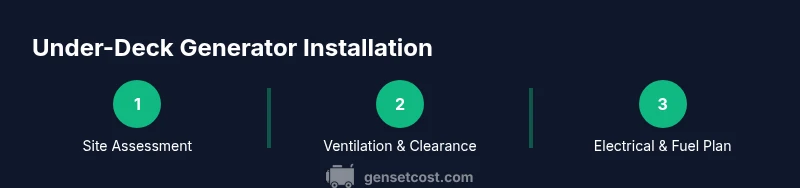
To decide whether under-deck placement is feasible, start with a clear site assessment. Check deck height, clearance to doors and windows, and potential exhaust paths. Gather local code requirements and consult a licensed electrician or generator installer for a formal assessment. If the deck cannot accommodate proper ventilation or clearance, shift to an exterior pad or enclosure that meets or exceeds code standards. Prepare a simple project plan with milestones: site assessment, permit application, equipment selection, contractor bids, and a scheduled installation. This approach minimizes surprises and helps you align permits, equipment, and budget. In each step, document decisions and keep a running record for homeowners associations or insurance requirements.
-block7-
Cost considerations and budgeting (installation, maintenance, and ongoing costs)
Budgeting for a generator project involves more than the price of the unit. Expect costs for site preparation, permits, electrical work, weatherproofing, and labor. Under-deck options often incur premium due to limited maneuverability and the need for specialized enclosures. A typical project budget covers the pad or enclosure, transfer switch, conduit runs, and service access, plus ongoing maintenance and fuel costs. Keep in mind that exact figures vary by local labor rates, material choices, and whether you already own a suitable generator. Genset Cost analysis shows that while under-deck installations can be feasible in some homes, many households find exterior pads or sheds to be more cost-efficient in the long run when you factor in accessibility and compliance. Plan for contingencies and obtain multiple quotes to avoid surprises.
-block8-
Maintenance, inspections, and long-term reliability
Regular maintenance is essential to reliability. Schedule annual inspections, check exhaust and ventilation paths, and replace filters and spark plugs as recommended. Inspect fuel lines for leaks and signs of corrosion, especially in humid climates. A professional can perform load testing to ensure the generator starts reliably during outages and communicates properly with the transfer switch. Keep a maintenance log, carry spare parts where practical, and renew permits as required. A well-maintained system will deliver dependable power and protect your home during outages for years to come. In line with industry guidance, the Genset Cost team notes that proactive maintenance reduces the probability of expensive, unexpected failures and improves long-term performance.
-block9-
Tools & Materials
- outdoor-rated generator(Ensure enclosure or weatherproof cabinet; consider load requirements before purchasing)
- automatic transfer switch (ATS) or manual transfer switch(Select based on service panel rating and backup load)
- UL-rated weatherproof enclosure or cabinet(Ventilated with protective shielding; allow servicing access)
- noncombustible base/pad (concrete or steel)(Prevent moisture and improve stability)
- outdoor-rated conduit and fittings(Seal and protect wiring from moisture)
- fuel supply lines with shutoff valves(Gas or propane; ensure proper sizing and leak detection)
- CO detector and alarm system(Required for safety near any fuel-burning equipment)
- fire extinguisher (ABC or suitable class)(Keep within reach of the installation area)
- drainage provisions and moisture barriers(Prevent water pooling near electrical components)
- permits and inspection paperwork(Have copies on-site for reviews)
- personal protective equipment (PPE)(Gloves, eye protection, and hard hat if needed)
Steps
Estimated time: 2-6 weeks (planning, permits, and installation); actual operation time varies by site and local regulations.
- 1
Assess site viability
Evaluate deck space, access for equipment, and potential exhaust paths. Confirm that the deck can support the weight and that there is room for a weatherproof enclosure and service access. Document any obstructions or dependencies that could affect installation.
Tip: Measure clearance around doors, windows, and railings to anticipate maintenance movements. - 2
Check local codes and permits
Contact your city or county building department to understand permit requirements, setback rules, and ventilation standards. Obtain a site plan and ask about any HOA guidelines that might apply. Preparing early reduces delays.
Tip: Ask for a written checklist of required documents before you hire a contractor. - 3
Choose between under-deck or exterior pad
Compare the feasibility of an under-deck install with a dedicated outdoor pad or enclosure. Consider airflow, maintenance access, sunlight exposure, and potential moisture exposure. Select the option that best aligns with code compliance and long-term reliability.
Tip: If you’re unsure, prioritize a solution with verified airflow and service accessibility. - 4
Engineer the electrical connections
Have a licensed electrician design the wiring path to the main panel and choose an appropriate transfer switch. Ensure outdoor-rated conduit with correct weatherproof terminations and dedicated grounding.
Tip: Request a written load calculation and a wiring diagram for permits. - 5
Prepare the installation area
Build or install a noncombustible pad or enclosure with a drainage plan. Install weatherproofing, ventilation louvers, and a clear path for routine maintenance.
Tip: Do not seal the enclosure completely; allow air exchange for cooling. - 6
Hire professionals and obtain permits
Engage licensed electricians and, if needed, gas technicians for fuel line work. Ensure all work is inspected and approved before powering on.
Tip: Keep a copy of all permits and inspection records for future reference.
People Also Ask
Is it legal to install a generator under a deck in most areas?
Legality varies by location. Many jurisdictions require permits and clearances, and some do not authorize under-deck installations due to ventilation concerns. Always check with the local building department and obtain an expert assessment.
Rules vary by location; check permits and clearances with your local building department before proceeding.
What are the minimum clearance and ventilation requirements for under-deck installations?
Clearance and ventilation requirements depend on local codes and the unit’s exhaust design. A professional assessment will specify required airflow paths and setback distances to prevent carbon monoxide buildup and heat buildup.
An expert assessment will define the exact airflow and clearance you need.
Can I use natural gas or propane for an under-deck generator?
Natural gas or propane can be used, but fuel lines must be installed safely and in accordance with code. Gas systems require leak detection, shutoffs, and appropriate venting in enclosed spaces.
Fuel lines must be installed by a licensed professional with proper safety measures.
Do I need a transfer switch if I install a generator under the deck?
Yes. A transfer switch isolates the generator from the main panel and prevents backfeeding, ensuring safe operation during outages. An upgrade may be required for larger loads.
A transfer switch is essential for safe and code-compliant operation.
Are there safer DIY options, or should I hire pros for under-deck installation?
Under-deck installations involve electrical, fuel, and venting work that should be done by licensed professionals to meet safety and code requirements. DIY carries significant safety and insurance risks.
Professionals are the safer route for installation and permitting.
What are common alternatives if under-deck installation isn’t feasible?
Common alternatives include a dedicated exterior pad, a weatherproof enclosure with ventilation, or a small generator shed placed away from living spaces to ensure safe exhaust and maintenance access.
An exterior pad or shed is a safer, compliant alternative.
Watch Video
Key Takeaways
- Evaluate feasibility with a licensed pro before deciding.
- Prioritize ventilation and code compliance over convenience.
- Plan for a dedicated pad or enclosure if under-deck placement fails the safety test.
- Use a transfer switch and outdoor-rated wiring for safe operation.
- Budget for permits, labor, and long-term maintenance.
- Maintain documentation for inspections and warranties.