DIY Generator Transfer Switch: Safe Home Install
Learn how to plan, select, and install a DIY generator transfer switch for reliable backup power. This guide covers safety, load calculation, wiring basics, testing, and maintenance.


Install a manual or automatic transfer switch to safely isolate your home from the grid during generator use, preventing backfeed. This concise answer points you to a full step-by-step guide with safety tips and load calculations.
What is a DIY generator transfer switch and why DIY may be suitable for select homeowners
A generator transfer switch is a device that routes power from a backup generator to selected circuits in your home while disconnecting those circuits from the utility grid. For many homeowners, a DIY approach is feasible when you plan carefully, choose a documented method, and stay within electrical code requirements. According to Genset Cost, a well-designed transfer switch reduces backfeed risk, simplifies generator use, and helps you maintain essential loads during outages. This section lays the groundwork by outlining the core concepts, the differences between manual and automatic switches, and when a DIY path makes sense for your property. You will learn to evaluate your load, choose a switch type, and prepare for installation with the right safety gear and planning.
Safety, permits, and planning: what you need to know before starting
Electrical work carries real hazards, including shock, arc flash, and fire. Before you touch any panel, confirm the main disconnect is accessible and verified de-energized. Check local codes and permit requirements; some jurisdictions require a licensed electrician for a transfer switch installation. Gather PPE such as insulated gloves and eye protection, and plan a work sequence that minimizes exposure to live circuits. A thorough plan also includes labeling every circuit, creating a schematic, and setting a clear work area to avoid accidental re-energization. The goal is a safe, auditable install that can pass inspection and keep your family safe during outages.
Understanding loads and selecting the right transfer switch rating
Your transfer switch must meet or exceed the electrical load you intend to run during an outage. Start by listing essential circuits and estimating their power requirements, then compare this total to the switch rating you plan to buy. A switch rated too low can trip or fail to supply critical devices, while an oversized unit may be unnecessary and costly. In most homes, a manually operated 20–60 amp transfer switch covers essential circuits such as cooling, lighting, and refrigeration. For larger homes or higher loads, a professionally sized solution is often the safer route. Always design around a safe operating margin and plan for future growth.
Manual vs automatic transfer switches: pros and cons
Manual switches require you to physically flip a handle to connect generator power to selected circuits. They are typically cheaper and simpler, which suits some DIY projects. Automatic switches detect a power loss and switch automatically, offering hands-free operation but at a higher cost and complexity. If you prefer convenience and faster restoration of power, an automatic model may be worth the investment, provided you have the required space, wiring, and code approvals. Either option should be installed with a clear understanding of the load profile and safe switching procedures.
Kit options and DIY feasibility: what to buy and when to step back
DIY-friendly transfer switch kits are available for homeowners comfortable with electrical work. Look for kits that include a transfer switch, a generator inlet box, mounting hardware, and clearly illustrated wiring diagrams. If your panel layout is unusual or your load is near the upper limit of a typical kit, consider consulting a professional or opting for a prefabricated solution from a reputable manufacturer. Remember that a robust plan, not just the parts, determines a successful, safe install.
Wiring basics and panel integration: key considerations for a clean install
Plan where to mount the transfer switch near the main panel for shorter run lengths and safer routing. You will route the essential circuit conductors from the panel to the transfer switch and from the transfer switch to the generator inlet. Use appropriately rated wire and protection, and keep all conductors neatly organized with cable clamps. Observing correct conductor size, insulation, and routing helps minimize heat buildup and reduces the chance of nuisance tripping. A well-organized layout also makes future maintenance easier.
The installation plan: diagrams, labeling, and sequencing
Draft a clean schematic showing how utility power, the transfer switch, the generator inlet, and the panel interconnect. Label each circuit and terminal for easy reference during testing. Develop a sequence for energizing and de-energizing loads, including the exact steps to switch to the generator and back to utility power. Document any safety devices such as lockout indicators, and ensure that a main breaker remains accessible. A thorough plan reduces risk and accelerates inspection approval.
Testing, commissioning, and safe operation after installation
Testing should be conducted methodically with power off and protective gear in place. Verify that the main disconnect is de-energized, confirm no voltage on the isolated circuits, and perform a controlled generator start-up to validate transfer operation. Watch for heat, arcing, or unusual noises, and verify that critical circuits receive power as intended. Documentation of the test results and a post-installation inspection help ensure lasting reliability.
Maintenance, troubleshooting, and staying code-compliant over time
Periodic checks are essential: inspect wiring, fasteners, and enclosure integrity; test operation at least quarterly; and keep the schematic up to date. If you observe repeated tripping, dimming lights, or slow transfer, re-evaluate load calculations or consult a licensed electrician. Staying current with local codes and inverter or generator updates minimizes risk and extends the life of your installation.
Final considerations: getting started with confidence and safety
A DIY transfer switch project can be highly rewarding when done safely and per code. Start with a clear plan, confirm permits, and choose a solution sized for your load. If at any point the project feels beyond your comfort or the panel layout is unusual, don’t hesitate to seek professional review. The objective is a reliable, compliant system that protects your home and family during outages.
Tools & Materials
- Voltage tester (non-contact)(Used to verify circuits are de-energized before work.)
- Lockout/Tagout kit(Prevent accidental re-energization during work.)
- Insulated screwdrivers set(Flat and Phillips, with insulated handles.)
- Wire cutters/strippers(For cutting, bending, and stripping wires.)
- Measuring tape and marker(Layout and label mounting positions.)
- Appropriately rated conductors (wire)(Use correct gauge for your intended load.)
- Transfer switch kit (manual or automatic)(Ensure the kit matches your load and enclosure.)
- Electrical tape, wire nuts, and zip ties(Secure and organize wiring.)
- PPE: gloves and safety glasses(Protect hands and eyes during work.)
- Screw anchors and mounting hardware(Secure the transfer switch to a sturdy surface.)
Steps
Estimated time: 2-6 hours
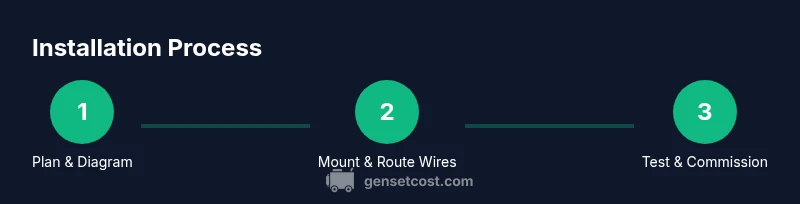
- 1
Plan and document the load
Make a circuit-by-circuit list of essential loads and estimate their wattage. Create a simple diagram showing the main panel, transfer switch, and generator inlet. This plan guides all subsequent wiring decisions.
Tip: A detailed plan reduces rework and helps you meet code requirements. - 2
Shut off power and isolate circuits
Turn off the main breaker and apply lockout/tagout to the disconnect. Use a non-contact tester to confirm no live voltage in the work area before handling conductors.
Tip: Never assume circuits are de-energized; verify with a tester. - 3
Mount the transfer switch
Choose a location near the main panel with clear access and ventilation. Secure the transfer switch with the supplied hardware and ensure it sits level.
Tip: Allow space for wiring and future maintenance. - 4
Route conductors to the transfer switch
Run conductors from the panel to the transfer switch input terminals, using proper clamps and grommets. Keep conductors away from heat sources and moisture.
Tip: Bundle and label each conductor for easy identification. - 5
Connect the generator inlet and switches
Hook up the generator inlet box and connect load conductors to the transfer switch according to the diagram. Ensure proper grounding per code.
Tip: Double-check terminal labeling before energizing. - 6
Inspect and seal
Check all connections for tightness and inspect for signs of wear or damage. Close the enclosure and ensure it remains weather-protected if outdoors.
Tip: Use weather-rated enclosures for outdoor installations. - 7
Test operation with loads
With the generator off, energize the transfer switch and start the generator. Verify that selected circuits power correctly and that utility power is isolated.
Tip: Test under a light load first, then add essential loads. - 8
Document and train household users
Create a one-page diagram and place it near the panel. Train users on how to switch to generator power safely.
Tip: Documentation helps during emergencies and for future maintenance.
People Also Ask
What is a generator transfer switch and why do I need one?
A transfer switch safely isolates your home from the utility when a generator runs, preventing backfeed and protecting appliances. It also provides a clean, controlled power path during outages.
A transfer switch keeps your home safe by preventing backfeed when you run a generator.
Can I install a transfer switch myself, or should I hire a professional?
DIY installation is possible for simple, well-documented setups, but electrical work carries risk and may require permits. If you are unsure, consult a licensed electrician.
You can do it if you follow the instructions and permits, but safety matters.
What is the difference between a manual vs automatic transfer switch?
Manual switches require you to flip a handle to switch power; automatic switches detect outages and switch automatically. Automatic systems offer convenience but cost more and require more space and wiring.
Manual you flip a switch; automatic detects outages and switches automatically.
What load can a typical DIY transfer switch support?
Loads depend on the switch rating; this commonly ranges from about 20 to 60 amps in DIY setups. Always verify the total before wiring and ensure you do not exceed the panel rating.
Your switch rating determines how much you can power.
Are there safety codes I should know before starting?
Yes, consult local electrical codes and NEC guidelines, and obtain permits if required. Inspections verify that the installation is safe and compliant.
Yes, there are safety rules and permits you may need.
What maintenance does a DIY transfer switch require?
Periodically inspect wiring, fasteners, and enclosure integrity. Test operation quarterly and after any major weather event to ensure reliability.
Regular checks keep it safe and working when you need it.
Watch Video
Key Takeaways
- Plan load and panel capacity before wiring.
- Follow safety rules and permitting guidelines.
- Size the transfer switch to your expected load.
- Call a pro if the panel layout is unusual or you are unsure.