How to Get Rid of Limescale in a Steam Generator Iron
Learn practical, manufacturer-approved methods to remove mineral buildup from a steam generator iron, protect its performance, and extend its life with safe descaling and maintenance practices.


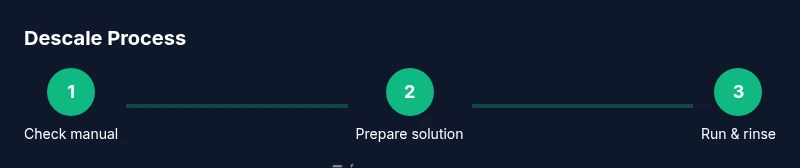
To remove limescale from a steam generator iron, start by inspecting the user manual for approved descaling methods. Use distilled water and a manufacturer-approved descaler, then flush the system with clean water. Run the iron through several steam cycles, rinse, and dry; repeat if the steam path still shows white residue. Regular maintenance prevents future buildup and preserves steam performance.
What limescale is and why it forms in steam generator irons
Limescale is a hard, chalky deposit formed when calcium and magnesium minerals in hard water stay behind after water evaporates. In a steam generator iron, mineral buildup can accumulate in the boiler, steam chamber, and the narrow channels that deliver steam to the soleplate. Over time, this residue reduces steam output, causes hotter spots, and can corrode internal components if left untreated. To protect your appliance, it helps to understand that a steam generator works best when mineral content is minimized. Using low-mineral water and following the manufacturer’s descaling recommendations reduces the rate of buildup and keeps performance more consistent. The Genset Cost team notes that routine maintenance of home appliances, including irons, can contribute to lower long-term repair costs and better efficiency.
Signs you have limescale and why it matters
White or gray crusting around the steam vents, a noticeable drop in steam volume, inconsistent steam temperature, or a musty water smell are common indicators. If you skip descaling, mineral deposits can slowly clog the water path and steam vents, leading to uneven heat distribution and slower recovery between cycles. Regular checks help you act early, before the buildup becomes stubborn. In line with best practices from consumer appliance guidance, keeping water hardness in mind and using approved products reduces risk during maintenance.
Safety considerations and when to avoid DIY descaling
Descaling a steam generator iron involves hot water and potentially chemical cleaners. Never perform descaling if the iron is still hot or plugged in unless the procedure explicitly allows heat exposure. Always unplug and cool the unit before starting. Use only descalers approved by the manufacturer; household acids or bleach can damage seals and warranty coverage. Wear gloves if handling concentrated solutions and work in a well-ventilated area. If your unit carries a warranty, verify coverage rules to avoid voiding it through unapproved methods.
Prep work: what you need before descaling
Gather essential tools: distilled water, a manufacturer-approved descaler, a soft cloth for cleaning, a small tray to catch rinse water, and a measuring cup if instruction requires precise volumes. Have a clean, dry workspace and the iron’s manual handy. Prepare a place to drain used solution, and ensure you can safely handle hot components during the process. Having these items ready saves time and reduces the chance of skipping critical steps that affect effectiveness and safety.
Step-by-step descaling using manufacturer-approved methods
- Read the manual: Confirm the recommended descaling method and any cautions specific to your model. 2) Empty and cool: Unplug the iron and allow it to cool completely before starting. 3) Prepare the solution: Mix a manufacturer-approved descaler with distilled water per the instructions. 4) Fill and run: Fill the water reservoir with the solution and run the steam cycles to push solution through the boiler and steam path. 5) Rinse: Rinse by flushing with distilled water until the water runs clear from the vents. 6) Dry and test: Wipe exterior surfaces, allow to dry, then test with a small amount of water to ensure normal steam flow. 7) Repeat if needed: If residues persist, repeat the descaling cycle once more or as directed by the manual.
Rinsing, drying, and testing the steam path
After descaling, thoroughly rinse with distilled water to remove any descaler residue. Run multiple complete steam cycles with only distilled water until the output is clean and consistent. Dry the interior by running a dry steam cycle (if your model supports it) or by wiping exposed surfaces with a cloth. Finally, test by ironing a damp cloth to confirm steady steam and even heat. This step confirms the path is clear and the iron is ready for regular use.
Maintenance habits to prevent future buildup
Switch to distilled or demineralized water for regular use and avoid filling with highly mineralized tap water. Empty and dry the water tank after each use, especially if you won’t be using the iron for an extended period. Periodic light descaling every few months, depending on water hardness, helps maintain performance. Store the iron upright to reduce contact with moisture and keep vents clean with a soft brush or cloth. These habits prolong the life of seals and internal components.
Alternatives and what to avoid
Avoid undiluted household cleaners and bleach in the steam path as they can corrode metal parts. Do not use vinegar or acidic solutions unless the manufacturer explicitly approves; acids can erode gaskets and reduce warranty coverage. If your water is very hard, consider installing a home water softener or using filtered water to slow mineral buildup. For stubborn deposits, consult the manufacturer’s service options or trusted appliance technicians.
When to seek professional service or consider replacement
If limescale persists after multiple approved descaling cycles, or if the iron leaks, loses pressure, or exhibits electrical fault indicators, consult an authorized service center. Repeated descaling without improved performance may indicate deeper issues with the boiler or steam path that require professional assessment. In some cases, if the unit is old or repeatedly problematic, replacement could be more economical than continued repairs.
Tools & Materials
- Distilled water(Use in place of tap water to minimize mineral content during descaling and regular use.)
- Manufacturer-approved descaler/cleaner for steam irons(Follow product instructions and model compatibility; avoid generic cleaners if not approved.)
- Soft cloth(For wiping the exterior and cleaning accessible vents without scratching.)
- Small tray or basin(Catch rinse water and used solution to prevent spills.)
- Measuring cup(Useful for precise solution dilution if required by the descaler instructions.)
- Safety gloves(Protect hands when handling concentrated solutions or hot components.)
Steps
Estimated time: 40-60 minutes
- 1
Check the manufacturer’s instructions
Read the manual or official website for approved descaling methods. Confirm any model-specific cautions and whether vinegar or other acids are permitted. This ensures you don’t void warranties or damage seals.
Tip: Always have the model number and manual version handy in case you need to confirm steps. - 2
Power down and prepare the workspace
Unplug the iron and allow it to cool completely. Place a tray to catch any solution, lay out towels, and gather all tools. A clean, organized area reduces spills and mistakes.
Tip: Keep a timer handy if the manufacturer specifies dwell times for descaling solutions. - 3
Prepare the descaling solution
Mix the descaler with distilled water according to the product directions. Do not improvise ratios; follow the label to ensure safe and effective mineral removal.
Tip: If you’re unsure about concentrations, contact the manufacturer or support line for guidance. - 4
Flush the system with the descaling solution
Pour the solution into the reservoir and run multiple steam cycles to push the cleaner through the boiler and steam path. Alternate between steam bursts and pauses to allow contact time.
Tip: Keep the iron upright during cycles to prevent spills and ensure complete path coverage. - 5
Rinse with distilled water
Fill with distilled water and run several cycles to flush out any residue from the descaler. Continue until the output appears clear and odor-free.
Tip: Count the rinses or use a transparent path to verify clarity. - 6
Dry, inspect, and test
Wipe down surfaces, dry the unit, and test with a damp cloth or a light steam burst on plain fabric to verify even flow and temperature. Check vents for any crust or buildup.
Tip: If steam is uneven, repeat the rinse cycle or inspect for blocked vents.
People Also Ask
What is limescale and why does it affect my steam iron?
Limescale is mineral buildup from hard water that accumulates in the boiler and steam path. It reduces steam output and can cause hotter spots. Regular descaling helps maintain consistent steam performance and prolongs the iron’s life.
Limescale is mineral buildup that reduces steam and can damage the iron over time. Regular descaling helps keep steam steady and the iron reliable.
Is vinegar safe to use for descaling a steam generator iron?
Only use vinegar if the manufacturer explicitly approves it for your model. Many irons warn against acidic cleaners because they can damage seals and reduce warranty coverage.
Only use vinegar if your manual says it’s okay; otherwise, stick to the manufacturer-approved products.
How often should I descale my steam generator iron?
Frequency depends on water hardness and usage. In hard-water areas, plan for a descaling session every 1–3 months; in softer water, every 6–12 months may suffice. Always defer to the manufacturer’s guidelines.
It varies with water hardness—check the manual for the recommended cadence and adjust based on usage.
What should I do if limescale remains after descaling?
If deposits persist, repeat the approved descaling cycle, verify that all vents are clear, and ensure you’re using distilled water for rinsing. If unresolved, consult a service professional.
If it stays, repeat the approved cycle or consult a professional to avoid damaging the unit.
Is it safe to run the iron dry to clear buildup?
Most manufacturers advise against running the iron dry for extended periods, as it can overheat or damage seals. Use only water or the approved descaling solution as directed.
Avoid long dry runs; use the approved methods to prevent damage.
What preventive steps help minimize future limescale?
Switch to distilled water for regular use, empty and dry the reservoir after use, and perform periodic light descaling based on water hardness. Regular maintenance helps keep steam paths clear.
Use distilled water and dry the reservoir after use to prevent buildup.
Watch Video
Key Takeaways
- Follow manufacturer-approved descaling methods.
- Use distilled water to minimize mineral buildup.
- Rinse thoroughly and test steam output after each cycle.
- Regular maintenance extends iron life and performance.