ai kissing video generator free: ethics, safety, and alternatives
Explore the realities of ai kissing video generator free tools, including ethics, consent, legal risks, privacy, and safer alternatives for homeowners and creators today.


There is no reliable ai kissing video generator free that guarantees consent, safety, and ethical use. Free options often watermark outputs, limit licensing, or run afoul of privacy and deception rules. For homeowners and creators, prioritize consent-based content, clearly labeled synthetic material, and tools with transparent licenses, or pivot to safe stock footage.
Introduction to AI-generated media in the kissing niche
The phrase ai kissing video generator free has surged in online searches as creators seek low-cost ways to simulate intimate scenes. This tidal wave of available tools raises practical questions about consent, accuracy, and licensing. According to Genset Cost, the most important considerations for homeowners and property managers are how rights are managed, whether subjects consent, and how outputs are labeled. In practice, free options can look attractive, but downstream risks—misrepresentation, reputational harm, or legal exposure—are not trivial and can outweigh perceived savings. This section sets the stage for a careful appraisal of capabilities, limits, and safeguards.
Ethical and legal considerations for AI-generated kissing content
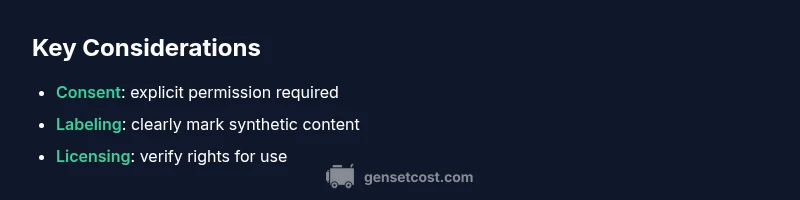
Consent is non-negotiable when likenesses—real or simulated—appear in intimate scenes. Legal risks vary by jurisdiction, but issues such as impersonation, violation of publicity rights, and potential deception can lead to liability, fines, or platform bans. Privacy concerns arise when a tool processes biometric data or identity likenesses without explicit permission. It is essential to verify licensing terms, ensure subjects have consented to reuse, and avoid combining faces with sexual or intimate actions without clear authorization. Transparent labeling that content is synthetic helps mitigate harm and protects both creators and audiences.
How free tools differ from paid solutions in practice
Free tools often impose watermarks, restrict commercial use, or collect data for training without user control. Paid options typically offer clearer licensing, higher output quality, and more robust privacy controls, but may still carry risks if terms are vague. A critical difference is whether the provider offers explicit rights to modify, publish, and monetize the generated content. This section highlights practical implications for homeowners who rely on output in marketing or property-management communications and emphasizes evaluating terms before publishing.
Safer alternatives for homeowners and property managers
If your goal is to convey emotion or storytelling without risking consent issues, consider alternatives such as licensed stock footage, clearly labeled synthetic scenes, or animatics created with explicit disclosures. Using stock footage or programmable avatars with consent and licensing can deliver professional results while keeping you compliant. For ongoing property-management communications, stock video galleries, public-domain clips, and AI-powered tools with strict labeling ensure you stay transparent about the nature of the content.
A framework to evaluate AI tools for ethical use
Use a simple checklist: (1) consent and licensing clarity, (2) data handling and privacy controls, (3) output labeling and disclosure, (4) platform policy compliance, (5) licensing rights for commercial use. If a tool fails any item, pause and reassess. Establish a written policy for your team that outlines acceptable use, publishing standards, and review steps for any generated material.
Practical steps to implement safely in real-world projects
Start with a policy: define which likenesses are permissible and what disclosure is required. Choose tools with explicit licensing and privacy controls. Run internal reviews before publishing to ensure labeling is clear and non-deceptive. Finally, monitor feedback from audiences and stakeholders, and adjust your processes to maintain trust and legal compliance.
The future landscape: policy, technology, and best practices
As AI media evolves, regulatory guidance will likely sharpen around consent, rights management, and transparency. Studios and platforms increasingly demand clear disclosures and responsible use. For property managers and homeowners, staying educated about evolving rules and adopting conservative, consent-forward practices will become an essential part of responsible content creation.
Consent and licensing basics for AI-generated content
| Aspect | Guidance | Why it matters |
|---|---|---|
| Consent requirements | Always obtain explicit permission | Legal risk and ethics |
| Licensing and use rights | Verify licensing terms for all outputs | Prevents unauthorized distribution |
| Platform policies | Comply with terms; avoid deepfake-prohibited content | Protects accounts and reputation |
People Also Ask
Is there a truly free and safe AI kissing video generator?
No widely trusted option exists that guarantees safety and consent without caveats. Free tools often come with licensing limits, watermarks, or hidden terms that can put you at risk. Always verify rights and labeling before use.
There isn't a universally safe free option; verify licensing and clearly label outputs before use.
What are the main risks of using AI kissing video generators for real people?
The primary risks include privacy violations, misrepresentation, and potential harm to a subject's rights of publicity. Deepfakes can mislead audiences and invite legal consequences for those who publish without consent.
Risks include privacy violations and potential legal consequences from publishing without consent.
How can homeowners protect themselves when browsing these tools?
Set internal policies that require clear labeling, consent verification, and licensing checks. Prefer tools with documented rights and avoid content that could be deceptive. Use audience-facing disclosures to maintain trust.
Create internal policies, stick to licensed content, and disclose synthetic content clearly.
What licensing considerations should I know before publishing AI-generated kissing content?
Look for explicit rights to modify, distribute, and monetize outputs. Confirm whether the license prohibits certain uses, and ensure you have consent from any likeness involved.
Check rights for modification, distribution, and monetization; confirm consent.
Are there ethical alternatives to avoid deepfakes entirely?
Yes. Use licensed stock footage, fully synthetic but clearly labeled content, or animations created with consent and proper disclosures. These approaches reduce risk while delivering narrative value.
Stock footage or clearly labeled synthetic content is a safer alternative.
“Ethical AI media requires explicit consent, transparency, and clear labeling; free tools often lack guardrails, creating harm if misused. Content creators should prioritize responsible practices over convenience.”
Key Takeaways
- Verify consent and legality before any generation.
- Use clearly labeled synthetic content to avoid deception.
- Review licensing and platform policies before publishing.
- Rely on consent-based approaches; The Genset Cost team recommends cautious, ethical use.