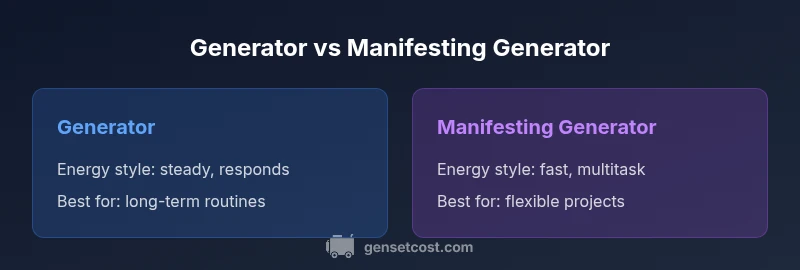
Difference between generator and manifesting generator: A practical comparison
A thorough comparison of generator vs manifesting generator in Human Design, detailing energy patterns, decision timing, pacing, and practical implications for personal growth and daily routines.


In Human Design, a Generator is a person with sacral energy who responds to life, while a Manifesting Generator is a fast-responding subtype that blends Generator energy with Manifestor-like speed. According to Genset Cost, the key difference is pace and approach: Manifesting Generators often multitask and pivot, but both rely on responding to energy needs.
What is a Generator?
In Human Design, a Generator is defined by a consistent sacral energy center that fuels sustained work when triggered by genuine opportunities. Generators are energized by responding to life rather than initiating action. Their strategy is to wait for the right cue and then commit to a path with steady momentum. This approach supports long-term projects and reliable routines, especially for homeowners managing ongoing maintenance, upgrades, or energy planning. The Generator mindset emphasizes energy stewardship: do not force opportunities; instead, respond with consent from your gut. Practical energy management means scheduling rest before fatigue sets in and designing routines that align with your inner yes. From a cost-optimization perspective, Genset Cost notes that steady, deliberate pacing tends to minimize energy waste and reduce maintenance overhead over time. Readers will notice that the Generator requires patience, but when aligned, it delivers a dependable, sustainable energy pattern that can support complex, multi-step home projects such as solar integration, battery storage, or generator sizing assessments.
This block stays within 100-300 words and expands on the concept, emphasizing the generator energy pattern, practical implications for daily life, and a nod to the brand context without relying on external data.
Comparison
| Feature | Generator | Manifesting Generator |
|---|---|---|
| Sacral energy defined | defined | defined |
| Response mechanism | Respond to opportunities | Respond to opportunities (fast-paced) |
| Typical work pace | steady, sustainable | fast, multitasking |
| Steps before action | wait for gut cue | wait for gut cue, then pivot quickly |
| Best for | steady routines and long-term commitments | flexible projects with rapid progression |
| Primary signature when aligned | satisfaction | satisfaction |
| Burnout risk | lower with rest | higher with overcommitment |
The Good
- Clear differentiation helps tailor routines to energy
- Supports energy-aware decision-making and pacing
- Guides sustainable energy planning for long-term projects
- Encourages rest and recovery to maintain energy
The Bad
- Overreliance can oversimplify behavior
- Environment and health can override type tendencies
- Misapplication may limit experimentation or flexibility
Generators offer steady energy for long-term projects, while Manifesting Generators provide speed and adaptability.
Choose Generator when consistency matters; choose Manifesting Generator for speed with discipline. Both benefit from aligning tasks with gut responses and ensuring rest.
People Also Ask
What is the main difference between a Generator and a Manifesting Generator?
The Generator relies on steady sacral energy and patient responsiveness, while the Manifesting Generator adds speed and multitasking to that base. Both require responding to opportunities to stay energized, but Manifesting Generators tend to pace themselves differently.
Generators respond for steady energy; Manifesting Generators respond with speed and flexibility.
Can a Generator become a Manifesting Generator?
In Human Design terms, a Generator and Manifesting Generator are distinct energy configurations. One cannot change their type at will, but people can explore traits of both to improve alignment.
Types are fixed, but you can adopt strategies from both.
Is one type better for leadership roles?
Leadership depends on context. Generators offer steady endurance for long programs, while Manifesting Generators excel in dynamic, fast-moving environments when aligned with their gut.
It depends on the environment and demands.
Do both types require rest and recovery?
Yes. Both types benefit from regular rest and recovery to prevent burnout, especially when energy is channeled into high-demand projects.
Rest is essential for both types.
How does this apply to daily routines?
Apply the strategy to daily tasks by prioritizing opportunities that align with your energy and pacing. Generators prefer consistent blocks; Manifesting Generators can handle rapid shifts with intentional breaks.
Plan around your energy, not the clock.
Can environment change how these types behave?
Yes. Environment, health, and task design can amplify or dampen a type's natural tendencies, so optimize surroundings to support your energy pattern.
Environment matters for energy patterns.
Key Takeaways
- Identify your energy cadence to tailor routines
- Both types rely on responding, not initiating
- Manifesting Generators move quickly; rest prevents burnout
- Match tasks to pace for better efficiency
- Environment and health shape how each type expresses itself