How to Generate AI Images: A Practical Beginner's Guide
Learn how can generate ai images using prompts, tools, and an iterative workflow. This beginner's guide covers tool selection, prompt engineering, settings, licensing, and cost considerations for homeowners and managers.


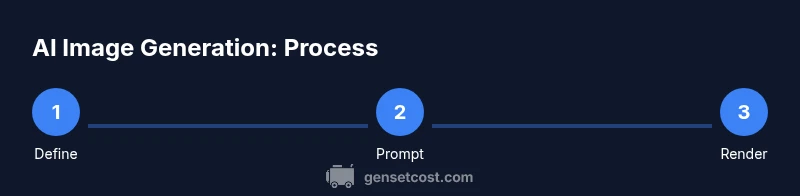
You can generate AI images by using an AI art tool, crafting precise prompts, and iterating on settings until you reach the desired result. Start with a clear subject, style, and mood, then adjust parameters like resolution, prompts, and seed. Generate, review, and refine prompts to improve detail, color, and composition. Save final outputs with proper licensing notes.
What is AI image generation and how it works
AI image generation uses machine learning models trained on vast image datasets to create new visuals from textual prompts. When you ask how can generate ai images, the system converts language into a set of visual features, then renders an image. The quality depends on the model, input prompt, and rendering settings. Popular tools include image-generation platforms and open-source models. For homeowners and property managers, this tech can visualize backup generator layouts, interior design concepts, or landscape ideas quickly, cheaply, and iteratively. The core idea is to map descriptive language to pixels, using styles, lighting cues, and composition rules. To start, choose a tool that suits your goals, whether casual experimentation, professional design, or educational exploration. The results can range from rough sketches to photorealistic scenes, depending on prompts and settings. According to Genset Cost, AI image generation can reduce ideation time for homeowners designing new spaces.
Choosing the right AI image tool for you
Choosing the right tool matters for ease of use, cost, licensing, and final image quality. Beginners often start with free or low-cost options to learn prompts and settings, then progress to more advanced models as needed. On the cost front, access typically ranges from free tiers to mid-tier subscriptions, with enterprise options for teams. For homeowners, a tool with straightforward prompts, good community resources, and clear usage rights is ideal. Consider whether you want a cloud service or an installable model, and whether you need features like in-painting, upscaling, or multi-image generation. Based on Genset Cost research, starting with one or two tools helps you compare results and understand licensing terms before committing.
Understanding prompts: the language of art creation
Prompts are the bridge between your ideas and the AI's rendering. Clear nouns, adjectives, and verbs shape composition, lighting, and texture. You should specify subject, style, mood, and context. For example, a prompt could describe a cozy living room at dusk with warm light, rendered in watercolor style, high detail. The more specific you are, the less the AI fills in blindly. Remember to test variations, because small wording changes can yield dramatic differences in color and form.
Crafting effective prompts: practical tips
Effective prompts combine structure and experimentation. Start with a baseline prompt, then expand with modifiers like photorealistic, cinematic lighting, or oil painting texture. Use tags or keywords to guide style, palette, and composition. Avoid overly long prompts that confuse the model; instead, layer descriptors in order of importance. Keep a prompt history to track what works, and use seed control when available to reproduce results.
Controlling visuals: style, lighting, and composition
Style choices guide the overall look, while lighting defines mood and depth. Resolution and aspect ratio determine how much detail and framing you get. Use descriptive terms like high dynamic range, soft shadows, or golden hour light to achieve depth. Many tools offer upscaling options to refine details after generation. If your project is for a room layout or exterior view, select an aspect ratio that matches your space and crop you intend to produce.
The role of seeds, prompts variants, and aspect ratios
Seed values give deterministic results for repeatable renders. Variants let you explore different phrasing with the same prompt, producing a spectrum of outputs from a single concept. Aspect ratio choices affect composition: wide for landscapes, square for social posts, tall for posters. Use these controls to explore a family of options quickly without reinventing the wheel.
Iteration workflows: refining from concept to polish
Adopt an iterative workflow: draft a concept, render, evaluate, then refine the prompt and technical settings. After each render, create a checklist of changes—style, lighting, texture, and composition—and apply them in the next attempt. Schedule focused sessions to review outputs with a defined goal for each pass. Short iteration cycles can produce polished results within a few hours.
Cost, licensing, and usage rights
Understand the licensing terms for generated images, especially if you plan commercial use. Many platforms offer standard licenses for personal projects and broader commercial terms for paid tiers. Keep track of usage rights, especially if your outputs include third-party elements. Allocate a monthly budget for rapid ideation, then adjust as your needs evolve.
Accessibility, ethics, and best practices
Respect privacy, consent, and copyright when generating images. Avoid creating misleading or deceptive visuals, and clearly label AI-generated content when appropriate. Build practices around transparency, especially for clients or collaborators. By staying mindful of ethics, you can innovate responsibly and maintain trust with your audience.
Real-world prompts and results: examples you can reuse
Experiment with prompts like: a sunlit kitchen at dawn, photorealistic, warm color palette, high detail; a modern living room in watercolor, soft edges, pastel tones. Save successful prompts and assess results against your goals (realism, mood, or branding). Use these examples as starting points and tailor them to your project.
Tools & Materials
- Computer or mobile device with internet access(Stable connection and current browser or app installed)
- AI image generation tool(Choose a tool that fits your budget and rights needs (e.g., DALL-E, Midjourney, Stable Diffusion))
- Prompts notebook or digital prompts library(Record prompts, variants, and outcomes for reference)
- License awareness resource(Review licensing terms for each tool and output usage)
Steps
Estimated time: 60-120 minutes
- 1
Define your goal and subject
Start with a clear goal for the image, such as visualizing a backup generator in a modern living room. Specify the main subject, mood, and context to set expectations.
Tip: Write a concise one-sentence prompt outline before drafting the full prompt. - 2
Choose your tool and set up
Select a tool based on budget and licensing needs. Create an account if needed and configure basic defaults like resolution and style presets.
Tip: Use a starter template for prompts to speed up your first render. - 3
Draft your baseline prompt
Create a baseline prompt with essential nouns, adjectives, and a style cue. Avoid overly long prompts that may confuse the model.
Tip: Include one primary descriptor and two to three secondary modifiers. - 4
Generate your initial render and review
Run the render and assess composition, lighting, and texture. Note what you’d change in the next attempt.
Tip: Keep a quick checklist of 3-5 changes for the next render. - 5
Refine the prompt with modifiers
Add specific style terms, color palette, and lighting to guide the next render. Small phrasing changes can yield dramatic differences.
Tip: Try two to three variants to compare outcomes. - 6
Adjust technical settings
Tweak resolution, aspect ratio, and seed if available to stabilize outcomes or reproduce a look.
Tip: Note the seed value for reproducibility. - 7
Render again and evaluate
Generate a new image based on the refined prompt. Compare with the baseline and decide if you need another iteration.
Tip: Aim for a minimal set of changes per pass. - 8
Finalize and save
Select the best render and save in the desired formats. Document licensing details for future use.
Tip: Create a named version for easy retrieval.
People Also Ask
What is AI image generation?
AI image generation uses machine learning models to create new visuals from text prompts. It interprets descriptive cues to render images with varying styles and realism.
AI image generation creates new pictures from text prompts using machine learning. You guide style and realism with specific prompts.
Which tools are best for beginners?
Many beginner-friendly tools offer free tiers and intuitive prompts. Start with one or two platforms to compare results before scaling up.
Start with one or two beginner-friendly tools to compare how prompts translate to images.
Do I own the rights to generated images?
Rights vary by tool. Check each platform's terms of use; some grant broad commercial rights with paid plans, others limit usage.
Ownership depends on the platform's terms; review licenses before using images commercially.
Can I use AI images for commercial projects?
Commercial use is often allowed under standard licenses, but verify terms for your project and any third-party elements.
You can usually use AI images commercially, but confirm the license for your project.
How can I improve image quality?
Improve quality by refining prompts, adjusting prompts with style modifiers, and iterating with higher resolution and seed control.
Improve quality by refining prompts and adjusting resolution and style in multiple passes.
Watch Video
Key Takeaways
- Define goals before prompts.
- Iterate prompts and settings for better results.
- Check licensing and usage rights.