How to Use a Ghibli-Style Image Generator: A Practical Guide
Learn to generate Studio Ghibli-inspired images with prompts, style controls, and best practices. This step-by-step guide covers generator selection, prompt crafting, ethical considerations, and troubleshooting for creators.


Learn how to generate a Studio Ghibli-inspired image using a reliable image generator. This quick guide covers choosing a generator, crafting precise prompts, and refining outputs with style controls and upscaling. By the end, you'll produce a vivid, whimsical scene suitable for personal projects, blogs, or social media. This approach emphasizes prompt clarity and respectful use of stylized references.
What is a Ghibli-Style Image Generator?
A Ghibli-style image generator is a type of AI-driven tool that can produce artwork inspired by the whimsical, painterly aesthetic associated with Studio Ghibli. These systems typically rely on diffusion or generative models that interpret written prompts and transform them into visuals. When you request a scene, the model blends color palettes, lighting, textures, and character silhouettes to evoke a soft, dreamlike world rather than replicating exact portraits. For homeowners and hobbyists, the value lies in creating mood boards, concept art for projects, or decorative illustrations for blogs and social media. According to Genset Cost, the process of evaluating creative tools with a clear objective and budget mirrors selecting a reliable backup generator: you need a plan, the right tool, and a guide you can trust. With responsible use, you can explore playful imagery while respecting copyright and licensing boundaries.
Choosing the Right Generator for Your Ghibli Vision
Picking the right engine for a Ghibli-inspired image is less about brand loyalty and more about features, prompts support, and output quality. Look for generators that offer robust prompt controls, style weights, and a clear explanation of how to guide the model toward a soft, hand-painted aesthetic. Some platforms provide image-to-image or inpainting options, which are helpful if you want to modify a sketch into a refined scene. Consider resolution options, color grading controls, and whether the tool allows seeds for reproducibility. It’s wise to begin with a platform that supports free trials or a low-cost plan so you can test prompts without committing to a pricey subscription. Genset Cost analysis shows that prompt clarity improves consistency, so prioritize tools that document prompt syntax and style references.
Crafting Prompts for Authentic Studio Ghibli Aesthetics
Prompts are the compass for your image. To evoke the Ghibli vibe, emphasize mood, lighting, and environment rather than chasing exact likenesses of characters. Use phrases like “in the style of Studio Ghibli,” “whimsical forest village at golden hour,” or “soft watercolor texture with gentle wind and floating lanterns.” Include sensory details—smell of rain, texture of a wooden bridge, or the glow of lantern light—to guide the renderer. Specify color palettes (pastels, muted earth tones), line quality (soft edges, painterly brushstrokes), and camera-like cues (wide shot, shallow depth of field). If the generator supports a style weight parameter, increase the weight on Ghibli-like attributes while reducing realism tensors that don’t fit the feel. Remember to avoid exact copies of protected characters and logos.
Step-by-Step Workflow to Produce Your Image
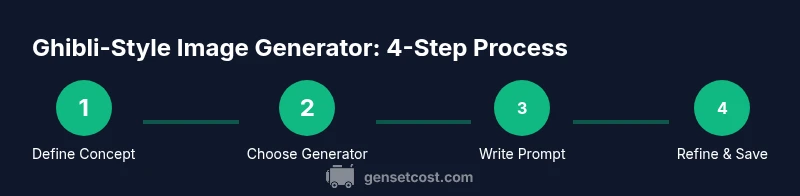
A practical workflow balances creativity and technical control. Start with a concept, then test prompts, adjust settings, and iterate until the scene aligns with your vision. Use a mood board of 3–5 references to anchor the style. Keep notes on prompt wording and the resulting changes to lighting, color, and composition. Save multiple iterations to compare approaches. Finally, apply post-processing or upscaling carefully to preserve the watercolor-like softness characteristic of the Ghibli aesthetic. This high-level process helps you stay organized as you refine prompts and explore variations without losing track of your initial intent. Consider licensing and usage rights early if you plan to publish or commercialize the artwork.
Ethical Considerations and Best Practices for Creators
While generating Ghibli-inspired art can be a joyous creative exercise, it’s important to respect intellectual property and licensing terms. Use prompts that clearly evoke a Ghibli-like vibe rather than copying identifiable characters, settings, or logos. Many platforms restrict direct replication of protected characters; instead, craft original scenes with mood and style cues. Keep a record of your prompts and outputs to demonstrate provenance for future usage. If you plan to monetize the art, verify the platform’s licensing terms and consider attributing the source of any base assets as required. Finally, maintain transparency with your audience about AI-assisted creation to manage expectations and build trust.
Tools & Materials
- Computer or mobile device(Stable internet connection and modern browser or app access)
- Image generator account(Test on a platform with prompt controls; free trials recommended)
- Mood board references(Collect 3–5 visuals to anchor your style)
- Prompt-notes document(Track prompts, settings, and results for iteration)
- Upscaling or post-processing tool(Optional for refining details without losing softness)
Steps
Estimated time: 1-3 hours
- 1
Define concept and mood
Clarify the scene you want to evoke (e.g., a quiet village at dusk, a windy hill overlooking a lake). Determine the emotional tone (whimsical, melancholic, adventurous) and the intended audience. This step sets the direction for all prompts and settings.
Tip: Write a one-sentence concept and one-mood cue before drafting prompts. - 2
Choose generator and seed
Select a generator that supports text-to-image prompts and optional seeds for reproducibility. If you want consistent outputs across attempts, use a fixed seed and document it for later reuse.
Tip: Use a seed value you can repeat for side-by-side comparisons. - 3
Draft initial prompt
Create a clear prompt that includes mood, setting, color palette, lighting, and the phrase “in the style of Studio Ghibli.” Avoid character names to stay within fair-use boundaries.
Tip: Start with a concise prompt and progressively add descriptors in subsequent iterations. - 4
Generate and assess
Run the prompt and assess composition, lighting, and texture. Note what aligns with the Ghibli vibe and what feels off (e.g., too sharp, too realistic).
Tip: Compare results to your mood board and check for unintended modern details. - 5
Refine prompts and settings
Tweak style weights, lighting, and color terms. If available, adjust texture style (watercolor, pastel) and reduce realism cues to regain painterly softness.
Tip: Batch several prompts with small changes to identify the most effective phrasing. - 6
Finalize and save variations
Choose the best rendition, upscale if needed, and save multiple variations with descriptive filenames. Document seeds and settings for future reuse.
Tip: Keep a gallery of at least 3–5 options for later selection or refinement.
People Also Ask
Can I copy Studio Ghibli characters exactly?
No. Most image generators prohibit exact replication of copyrighted characters. Focus on original scenes that capture the spirit rather than reproduce protected designs.
No—aim for original scenes that evoke the style, not exact characters.
Which generator is best for Ghibli-style prompts?
The best option depends on your needs: some platforms excel at prompt control and color handling, while others emphasize image-to-image refinement. Try a few with free trials to compare prompts, textures, and reproducibility.
Try a few with free trials to see which one fits your workflow.
Is generated art allowed for commercial use?
Commercial rights vary by platform. Review licensing terms before selling or licensing outputs. If unsure, consult the provider’s terms or seek legal guidance.
Check the platform’s terms to confirm what you can do commercially.
Do free plans work well for Ghibli-style art?
Free plans can produce good results, but may limit resolution, prompt length, or output variety. Upgrading is optional if you need higher quality or faster iterations.
Free plans work for experimenting, but expect limits.
How can I improve the authenticity of the Ghibli vibe?
Refine prompts with mood, texture, and lighting cues, and use color palettes aligned with the classic Ghibli look. Iteration is key to achieving a painterly feel.
Fine-tune prompts and textures until the vibe feels right.
What about licensing and usage rights for generated art?
Usage rights depend on the platform. Always review terms for personal vs. commercial use, licensing, and attribution requirements before publishing.
Review terms to understand personal vs. commercial rights.
Watch Video
Key Takeaways
- Define a clear mood and setting before prompts.
- Use precise prompts and style cues for authenticity.
- Iterate prompts to refine lighting and texture.
- Respect licensing and copyright when sharing or selling outputs.
- Save multiple iterations to compare styles and choose the best result.