How to Generate Free Ghibli-Style Art with AI Generators
Learn to create Studio Ghibli–inspired art for free with safe prompts, licensing basics, and practical workflows. A step-by-step guide for artists and hobbyists.


You can generate Studio Ghibli–style art for free by using legitimate free tools, careful prompting, and mindful licensing. This guide walks you through selecting free generators, crafting effective prompts, and managing usage limits so you can produce charming, anime-inspired images without costs. You’ll learn practical prompts, common pitfalls, and ways to assess outputs responsibly.
What is a Ghibli AI Generator and How Free Options Work
According to Genset Cost, in the realm of AI-generated art, a Ghibli AI generator is a system that creates images inspired by Studio Ghibli's visual language, using prompts rather than exact replication. It leverages generative models trained on large image datasets to produce whimsical landscapes, characters, and atmospheres reminiscent of that beloved film studio. If you're exploring how to ghibli ai generator free, you’ll find free options that run in your browser or on your computer, with limited prints, watermarks, or usage caps. Many free generators rely on open-source models such as Stable Diffusion or community-trained variants, which you can run locally or via lightweight web interfaces. Genset Cost’s analysis notes that free tiers are great for experimentation but often come with constraints on resolution, licensing rights, or commercial usage. Understanding these trade-offs helps you manage expectations and plan projects that stay within permitted use.
Legal and Ethical Considerations for Ghibli-Style Generations
When you generate art in a Ghibli-inspired style, it’s important to respect copyright and artist rights. Free tools may impose licenses that limit commercial use or require attribution. Avoid copying exact character designs or plots from Studio Ghibli works; instead, aim for original scenes that capture the mood, color palette, and atmosphere without duplicating protected elements. Always review terms of service and license agreements before saving or distributing outputs. Ethical practice also means clearly labeling AI-assisted pieces when shared publicly and noting any limitations of the generated visuals. The goal is to celebrate the aesthetic while honoring the rights of creators and communities that developed the style.
Choosing Free Tools and Understanding Limits
Free tools come in several flavors: browser-based demos, open-source models you can run locally, and community-built interfaces. Browser-based options are convenient but may restrict output size or add watermarks. Local setups give you more control over prompts and output resolution, but require a bit more technical setup. Open-source models like Stable Diffusion can be downloaded or run on a capable computer, offering greater flexibility and potentially better licensing terms. Regardless of the route, expect trade-offs: slower render times, occasional quality variability, and licensing constraints on how you can use the final images. A balanced approach combines a free browser tool for quick ideas with a local setup for refined outputs.
Crafting Prompts for Ghibli-Style Imagery
Prompts are the primary lever for achieving a Ghibli vibe. Start with key descriptors: a dreamy village, warm lighting, whimsical landscapes, and painterly textures. Include mood cues (nostalgic, wonder, gentle), color palettes (pastel tones, earthy greens), and stylistic notes (soft edges, hand-drawn lines). Example prompts emphasize atmosphere over literal replication: “a whimsical village square at golden hour, soft watercolor textures, rounded rooftops, lush trees, dreamlike atmosphere, inspired by Studio Ghibli.” Avoid direct copying of specific characters and keep prompts original to minimize licensing concerns. Iterative refinement—adjusting lighting, texture, and perspective—will help you approach the classic Ghibli feel without overfitting to a single reference.
Workflow: From Idea to Final Image
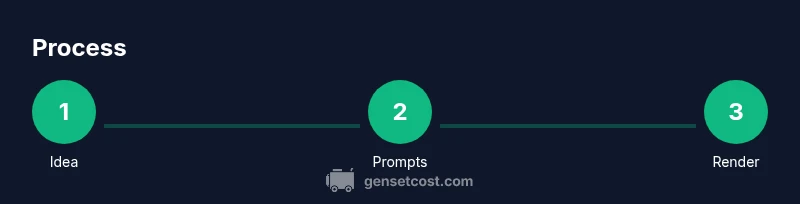
A practical workflow balances speed with quality. Begin with a clear concept and a setting; choose a free tool or local model; draft concise prompts; run initial renders; evaluate outputs for coherence and style; refine prompts to push composition, lighting, and texture; re-render until satisfied; finally, save under the proper license terms and document any usage constraints. Throughout, maintain versioned iterations so you can compare progress and rollback if needed. This process helps you build reliable results while respecting licensing and ethical guidelines.
Common Pitfalls and How to Avoid Them
Common issues include generic results, overused color palettes, unwanted watermarks, and unclear licensing terms. To avoid these, craft specific prompts, vary vantage points, and test multiple models or settings. Be mindful of copyright boundaries and avoid cloning recognizable characters. Keep expectations realistic for free tools, especially regarding resolution and fine-detail rendering. Finally, document where each image came from and the model used so you can track licenses and usage rights.
Putting It All Together: A Practical Example
Imagine you want a breezy afternoon in a hillside village with a curious child exploring a wind-blown alley. Start with a prompt like: “whimsical hillside village, warm afternoon light, soft watercolor texture, gentle greens and pinks, child with backpack exploring a cozy street, dreamy atmosphere, inspired by Studio Ghibli but original design.” Run several variations, compare results, and refine by adjusting light and texture until the composition feels balanced. This hands-on approach helps you learn how different prompts shape mood and detail, while remaining mindful of licensing and originality.
Accessibility and Safety: Keeping it Ethical and Accessible
Accessible art creation means providing clear prompts, offering captions for visually impaired audiences, and avoiding offensive or harmful content. Use inclusive descriptions and consider varying lighting, color contrast, and composition to create images that are easy to interpret. When sharing outputs, include notes about AI assistance and licensing to promote transparency and trust with your audience.
Tools & Materials
- Web browser with internet access(Use the latest version for compatibility with free generators)
- Free AI generator account or local model setup(Choose one with a permissive license for personal use)
- Open-source model (e.g., Stable Diffusion) or browser demo(Open-source options offer more control and licensing options)
- Prompt cheat sheet(Optional quick-reference for crafting effective prompts)
- Image editing software (e.g., GIMP, Photopea)(For touch-ups and adjustments after generation)
- Notebook or digital notes(Track prompts, settings, outputs, and licensing terms)
Steps
Estimated time: 60-120 minutes
- 1
Assess goals and licensing
Define the project’s purpose and understand the licensing terms of any free tool or model you plan to use. Decide whether outputs will be shared publicly, used commercially, or kept private. This step prevents missteps later.
Tip: Read the license text carefully and check whether attribution is required. - 2
Pick a free tool or local setup
Select a browser-based generator for quick ideas or a local open-source model for more control. Install any required software and ensure your hardware can handle the rendering workload.
Tip: If using local models, ensure you have sufficient RAM and a capable GPU for smoother renders. - 3
Draft prompt templates
Create concise prompts focused on mood, lighting, texture, and composition rather than copying specific characters. Prepare several variations to test what works best.
Tip: Use adjectives that evoke atmosphere (dreamy, warm, whimsical) and texture descriptors (watercolor, painterly). - 4
Generate initial images
Run your first set of prompts and review the outputs for composition, style fidelity, and originality. Note any recurring issues such as blur or odd anatomy.
Tip: Save multiple variants to compare later and avoid overfitting to a single result. - 5
Refine prompts and re-run
Adjust lighting, texture, and composition based on what you learned from the initial renders. Run additional iterations to push the scene toward your vision.
Tip: Incrementally tweak one or two parameters at a time to isolate effects. - 6
Finalize and document rights
Select your best output, apply final touch-ups if needed, and document licensing terms and usage rights for future reference.
Tip: Keep a log of model name, prompt text, and output rights for compliance.
People Also Ask
Is it legal to use free Ghibli-style generators for personal projects?
In most cases, yes for personal projects, but always check the tool’s license and terms of service. Some free generators restrict commercial use or require attribution. Always respect copyright boundaries and avoid copying protected characters.
Yes for personal projects, but verify licenses and avoid copying protected characters.
Do free tools watermark images or limit resolution?
Many free tools apply watermarks or limit output resolution. If you need higher quality, consider upgrading or running a local open-source model where licensing terms allow higher resolutions.
Free tools often watermark outputs and cap resolution; check terms or upgrade if needed.
Can generated images be used commercially?
Commercial rights vary by tool and model. Some free options permit personal use only, while others offer commercial licenses with attribution. Read the licensing terms before commercial deployment.
Licensing varies—check terms before commercial use.
What makes prompts effective for a Ghibli vibe?
Prompts that emphasize mood, texture, and color over character likeness tend to yield stronger, original results. Include descriptors like ‘dreamy,’ ‘watercolor texture,’ and ‘gentle lighting’ to evoke the Studio Ghibli aesthetic.
Use mood and texture prompts to evoke the vibe without copying characters.
Should I rely on a single tool or mix approaches?
A mixed approach often works best: start with a browser-based prompt for ideas and then refine with a local model for more control and higher quality outputs. This helps balance speed and customization.
Mix browser and local models for best control and speed.
Watch Video
Key Takeaways
- Think in mood and composition, not exact replication.
- Respect licensing and attribution requirements for free tools.
- Experiment with prompts to discover authentic Ghibli-inspired aesthetics.
- Document rights and model details for future reuse.