How to Generate with ChatGPT: A Practical Step-by-Step Guide
Learn how to generate high-quality content with ChatGPT. This comprehensive guide covers prompts, workflows, validation, and best practices for homeowners and property managers seeking reliable AI-assisted content in 2026.


Learn how to generate high-quality content with ChatGPT. This quick guide explains prompt design, structured workflows, and validation techniques that help you produce reliable results across tasks—from blog posts to homeowner guides. Follow a clear, iterative process to refine outputs and save time, while maintaining accuracy and tone. This is especially useful for property managers and homeowners evaluating content quickly.
Understanding what it means to generate with ChatGPT
ChatGPT is a language model designed to predict the next word in a sequence, not to pull real-time data by itself. Generating with ChatGPT means crafting prompts that guide the model toward your goal and then validating the outputs for accuracy, tone, and usefulness. For homeowners and property managers, this often means creating practical guides, checklists, maintenance tips, and simple cost comparisons. According to Genset Cost, structured prompts and a disciplined review process can significantly improve reliability when producing content that informs decisions. You’ll benefit from treating the model as a collaborative assistant rather than a final authority: define scope, provide clear examples of desired outputs, and set guardrails on length, style, and citations. In practice, you start by answering: Who is the audience? What problem should the content solve? What sections are required? Then you decide on the level of detail, the tone (neutral, professional, approachable), and whether to include data estimates or sources. Remember: ChatGPT does not browse the web unless you enable tools; you must supply current facts or clearly label estimates.
Designing prompts that guide reliable results
Effective prompts combine clarity, scope, and constraints. Start with a role: “You are a content assistant for homeowners and facility managers.” Then specify the task, length, and format: “Provide a 1,200–1,500 word guide in bullet and paragraph form, with headings and a checklist at the end.” Include a sample output to set expectations and a strict constraint list (no medical or legal advice, cite sources, avoid speculation). When you include data or prices, label them as estimates and provide a fallback if sources aren’t available. This approach reduces ambiguity for the model and makes it easier to audit outputs later.
The anatomy of a strong prompt for homeowners tasks
A robust prompt often includes four parts: audience, task, format, and quality checks. For example, to create a maintenance checklist, specify the home type, climate, seasonal focus, and decision points (what to inspect, when, and why). Add a requested structure: summary, bullet list, and numbered steps. You can also request tone guidance (professional and accessible) and accessibility notes (readability level and alternative texts). By making expectations explicit, you get outputs that are easier to review and publish without excessive rewrites.
Validation and quality checks you can automate
Validation is the bridge between generation and publishable content. Use a two-pass approach: first, check for completeness (all sections present, no missing steps), then verify accuracy (facts align with cited sources, numbers are sensible, and claims are qualified). Implement a citations template and require sources for any non-common knowledge. Build a lightweight review checklist into your workflow: tone consistency, nouns and pronouns clarity, and formatting conformity. By documenting checks, you turn output quality into a repeatable process rather than a one-off trial.
A practical homeowner workflow: from outline to publishable content
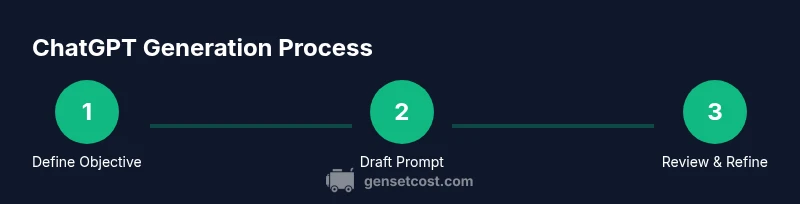
Begin with a high-level outline: purpose, audience, key sections, and a closing call-to-action. Then draft prompts to generate each section, one at a time, using consistent structure. Review, refine, and combine outputs into a cohesive article or guide. Finally, perform a final check for accessibility, readability, and factual accuracy. This workflow helps homeowners and managers produce reliable content quickly while maintaining a consistent brand voice.
Realistic example prompts and anonymized outputs
Prompt example: “You are a home-maintenance advisor. Create a 1,000-word guide titled ‘Winter Power Backup for Homes’ with sections: overview, risks, essential checklist, budget considerations, and a 5-step maintenance routine. Use safe, non-technical language and include a brief FAQ. Do not provide legal or medical advice. Cite sources where numbers are used.” The output should structure content clearly, with headings, bullet lists, and a closing tips section. This illustrates how precise prompts yield structured, publishable material while keeping the conversation focused.
Safety, privacy, and ethical considerations
Treat prompts as a channel for safe information. Avoid collecting or exposing personal data in prompts. If using model outputs publicly, review for bias, inclusion, and accessibility. When sharing estimates or costs, clearly label them as estimates and provide sources or caveats. Establish internal policies for review and governance to ensure responsible AI use and protect user privacy at every step.
Scaling with templates and automation
Turn recurring content tasks into templates: outlines, sections, and prompt templates that you reuse with minor tweaks. Maintain a shared library of prompts and style guidelines to ensure consistency across projects. Automate the orchestration by batching similar tasks (e.g., monthly maintenance checklists or product roundups) and routing outputs through your validation checklist. This reduces effort and accelerates publishing without sacrificing quality.
Getting started quickly: starter kit and next steps
Set up a starter kit including a clear objective, a small prompt library, a validation checklist, and a simple publishing workflow. Begin with one task, such as producing a 5-step homeowner maintenance guide, then expand. Track results, adjust prompts based on feedback, and gradually add templates for different content types. Your rapid-start approach will keep momentum while you build confidence in AI-assisted content.
Tools & Materials
- Laptop or desktop computer with reliable internet(Any modern browser; 2+ GB RAM recommended)
- Text editor or word processor(For editing and formatting final outputs)
- Prompts cheat sheet or library(Pre-built prompts for common tasks (outlines, checklists, FAQs))
- Access to ChatGPT API or web app(Choose plan that fits usage; be mindful of rate limits)
- Quality Review checklist(Criteria: accuracy, tone, completeness, accessibility)
- Citation templates(Guidelines for citing sources or marking estimates)
- Timer or reminder tool(Use timeboxing during iterations to stay on track)
Steps
Estimated time: Total time: 60-90 minutes
- 1
Define your objective
State the exact goal of the output, the target audience, and the preferred format. This clarity reduces unnecessary iterations and aligns the content with user needs.
Tip: Write a one-sentence goal and identify the primary audience before drafting prompts. - 2
Choose the right model and plan
Select a model variant and set practical limits for creativity (temperature) and length (max tokens). A balanced setup preserves accuracy while enabling helpful nuance.
Tip: Start with a conservative temperature (0.2–0.5) for technical tasks and adjust based on results. - 3
Draft a strong prompt
Create a clear instruction that includes role, task, constraints, and examples of desired outputs. Include formatting requirements (headings, bullet points, checklists).
Tip: Provide a sample output in the prompt to set expectations. - 4
Run the prompt and review outputs
Generate content section by section, then perform a quick quality check for completeness and tone before moving on.
Tip: Use a checklist to verify each section meets your criteria. - 5
Refine prompts and outputs
Iterate by adjusting prompts, requesting clarifications, and re-running sections that need improvement.
Tip: Ask for tightened language and explicit citations where needed. - 6
Validate content against sources and facts
Cross-check any factual statements with trusted sources. Mark estimates and provide citations when possible.
Tip: Maintain a simple citation template for consistency. - 7
Format and finalize for publish
Assemble sections into a cohesive document, apply copyediting, accessibility checks, and formatting.
Tip: Ensure headings, lists, and alt text meet readability standards. - 8
Automate with templates for recurring tasks
Save prompts and formats as templates for future use, enabling faster production.
Tip: Tag and categorize templates for easy retrieval. - 9
Monitor results and improve over time
Collect feedback, measure engagement, and refine prompts to maintain quality.
Tip: Create a feedback loop to guide ongoing improvements.
People Also Ask
What is ChatGPT best used for in content generation?
ChatGPT excels at drafting, brainstorming, outlining, and producing structured content. Use it to generate initial drafts, then refine for accuracy and audience fit.
ChatGPT is great for drafts and ideas, but you should review and customize the output before publishing.
How can I ensure accuracy when generating with ChatGPT?
Cross-check any factual statements with reputable sources, request citations within prompts, and label estimates clearly. Establish a post-generation review process.
Always verify facts with reliable sources and include citations when possible.
Can I use ChatGPT to write for a specific audience?
Yes. Tailor prompts to the audience by specifying tone, vocabulary level, and examples that match their needs and context.
Definitely—target the audience by guiding tone and examples in your prompts.
What are common prompts that work well for homeowners tasks?
Prompts that request checklists, how-to guides, cost comparisons, and straightforward maintenance steps tend to yield useful, publishable content.
Try prompts that generate lists, steps, and practical guidance for homeowners.
Are there safety concerns with AI-generated content?
Yes. Be mindful of privacy, potential bias, and misrepresentation. Always review content for accuracy and ethics before sharing publicly.
Be aware of bias and privacy; review thoroughly before publishing.
Watch Video
Key Takeaways
- Define clear objectives before prompting.
- Use structured prompts to guide outputs.
- Validate outputs with fact-checks and citations.
- Reuse templates to scale content.
- Review for tone and accessibility.