How to Use Canva AI Image Generator
A comprehensive, practical guide on using Canva's AI image generator to create custom visuals for social media, marketing, and presentations. Learn prompts, editing, licensing, and best practices for 2026.


Goal: Learn how to use Canva AI image generator to create custom visuals for posts, banners, and presentations. Start by opening Canva and selecting AI image generator, then enter a clear prompt, choose a style, and refine results with tweaks. This guide covers prompts, editing, licensing, and exporting to fit your brand and budget in 2026.
What Canva AI image generator is and when to use it
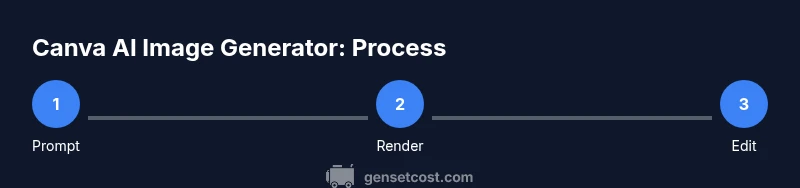
The Canva AI image generator is a built in tool that transforms text prompts into visual assets you can drop into social posts, marketing decks, website banners, and more. It shines when you need fast, on brand visuals without starting from scratch. In practice, you’ll draft a prompt that describes your subject, mood, and style, then Canva renders an initial image you can refine. According to Genset Cost, understanding how AI assisted visuals affect project timelines and budgets helps homeowners and property managers plan more effectively. The Genset Cost team found that AI assisted image creation can cut design time considerably when prompts are clear and goals are defined. Use cases span quick ad mockups, internal slides, and client proofs while you iterate on color, composition, and typography to match brand guidelines.
This section sets the stage for how you will approach prompts, styles, and licensing as you begin to experiment with Canva AI image generator.
Getting started: prerequisites and account setup
Before you generate assets, make sure you have a Canva account with the right access level for AI features. A free account covers many capabilities, while Canva Pro unlocks additional style presets, higher resolution outputs, and team collaboration options. Ensure you are signed in, connected to the internet, and aware of your project requirements such as size, format, and licensing needs. Gather any brand assets you want to incorporate, including logos, fonts, and color palettes. If you plan to create multiple assets, consider setting up a Brand Kit within Canva to keep visuals consistent. Finally, outline a few example prompts so you can compare results and pick the best baseline.
Crafting effective prompts for Canva AI
Prompts are the core of Canva AI image generator results. Start with a clear subject (for example, a modern kitchen, a bold social post, or a cozy reading nook) and specify the style, mood, lighting, and color palette. Include composition cues like “close up,” “wide shot,” or “diagonal rule of thirds.” Mention any brand cues such as colors or logos to steer the output toward your identity. Use adjectives to convey texture and tone (grainy, glossy, matte, vibrant). If you’re unsure, draft multiple variations and compare outputs. For best results, be explicit about background, focal point, and any text elements you plan to overlay.
Tip: Save successful prompts as templates to accelerate future work and maintain consistency across campaigns.
Working with outputs: editing, refining, and styles
Once Canva AI image generator produces an image, you can edit directly in Canva. Crop, resize, or rotate to fit your layout, and apply Canva effects or filters to match your brand. Add text overlays, icons, and shapes, then align typography with your design system. If the image isn’t perfect, tweak the prompt parameters and re run, or generate a few variations and pick the strongest one. Canva’s built in style presets help you quickly apply a cohesive look to images, while you can override styles for more creative control. Always preview on mobile and desktop to ensure readability and accessibility.
Exporting, licensing, and best practices
Export options vary by plan and asset type, but you’ll typically export as PNG or JPG for digital use and PDF for print layouts. Check licensing terms for AI generated content, especially for commercial projects, and ensure you have rights for any overlaid logos or fonts. When using Canva assets in client work, keep records of prompts and outputs in case licensing questions arise. Maintain consistency with your brand guidelines and stakeholder expectations by standardizing export sizes and file naming conventions. Finally, store assets in organized folders to streamline future updates and re uses.
Real-world use cases: social posts, presentations, marketing assets
Canva AI image generator can power a range of real world needs. For social media, generate eye catching hero images that fit platform aspect ratios and brand style. In presentations, craft diagrams, team photos, or concept visuals that visually support your talking points. For marketing, create banner images, product visuals, or email header art that aligns with campaign themes. By building a small library of prompts and templates, you can rapidly produce multiple assets for A/B testing and iterative design, reducing time to publish and improving consistency across channels.
Common pitfalls and troubleshooting
Prompts that are too vague produce generic results. If the output lacks contrast or brand alignment, refine the prompt with precise adjectives, specify the color palette, and reference brand elements. Low resolution images can be improved by requesting higher resolution outputs or re running variations. Be mindful of licensing restrictions when using AI generated images in commercial projects and avoid over reliance on a single image for critical campaigns. If you encounter tool errors, sign out and back in, or try a different browser, and ensure your Canva plan supports AI features.
Advanced techniques: variations, prompts, brand templates
To scale visuals, use prompt templates and variations. Create a base prompt and generate multiple variants by changing adjectives, lighting, or composition. Use Canva Brand Kit to enforce color and typography across AI outputs, and save preferred prompts as templates for reuse. Explore generated variations with and without text overlays and compare readability. For teams, enable collaboration to gather feedback and iterate quickly. These practices help maintain consistency, speed, and brand fidelity across all materials.
Quick-start checklist and next steps
- Sign in to Canva and confirm access to AI image generator
- Set up or sync your Brand Kit with colors and fonts
- Draft 5 baseline prompts and save as templates
- Generate 3–5 variations per prompt and select winners
- Add copy, logos, and elements, then export in needed formats
- Archive assets with clear naming and folder structure
Tools & Materials
- Computer or device with internet(Stable connection for Canva online editor)
- Canva account (free or Pro)(Ensure access to AI image generator features)
- Brand assets (logo, colors, fonts)(Upload or reference in Brand Kit)
- Draft prompts and style references(Prepare prompts or a prompt template collection)
- Notepad or document for prompts(Optional for planning prompts)
- Export plan (where assets will be used)(Plan formats and usage rights)
Steps
Estimated time: 45-60 minutes
- 1
Open Canva and access AI image generator
Sign in to Canva, start a new design, and locate the AI image generator tool. This step establishes the workspace and confirms access to AI features. If you don’t see AI options, check your plan or enable beta features in settings.
Tip: If you don’t see it, try refreshing or using a different browser. - 2
Define your objective and prepare prompts
Clarify what you want to achieve and draft precise prompts that describe subject, style, mood, and color palette. Include any brand cues to steer results toward your identity. Save successful prompts as templates for reuse.
Tip: Use concrete nouns and avoid vague terms like nice or good. - 3
Generate initial outputs and select favorites
Run the prompts to produce multiple variants. Skim for composition, contrast, and alignment with your brand. Favor options that require minimal edits.
Tip: Generate several variants to compare options side by side. - 4
Edit and refine in Canva
Crop, resize, and adjust colors. Add overlays, text, and logo placement. Apply brand style presets to ensure consistency across assets.
Tip: Keep text legible by testing on mobile preview. - 5
Validate licensing and usage rights
Review Canva licensing terms for AI generated assets and any third party elements. Ensure compliance for commercial projects and cross channel use.
Tip: Document license notes for audit trails. - 6
Export assets in required formats
Choose PNG for web, JPG for quick sharing, or print ready PDFs for physical media. Use consistent naming conventions and organize exports in folders.
Tip: Export multiple sizes in one batch when possible. - 7
Archive prompts and experiment history
Store prompts and variations for future campaigns. Create a shared library for your team to reuse proven prompts.
Tip: Periodically review and prune underperforming prompts. - 8
Review results with stakeholders
Share drafts for feedback and iterate. Maintain a record of accepted assets and note any required adjustments.
Tip: Set a fixed feedback window to keep projects on schedule. - 9
Scale with templates and automation
Develop prompt templates and brand templates to speed up repeated tasks. Leverage Canva folders and teams to streamline collaboration.
Tip: Automate where possible with team approvals.
People Also Ask
Is Canva AI image generator free to use?
Canva offers AI image generation features in both free and paid plans, with additional capabilities and higher resolution options available on Pro plans. Availability may vary by region and account type.
Canva offers AI image generation in both free and Pro plans, with more features in Pro.
Can Canva AI images be used commercially?
Yes, Canva AI generated images can be used in commercial projects under Canva's licensing terms. Always review asset licenses and ensure third party elements are cleared for commercial use.
Yes, but check licensing terms for each asset and use case.
What prompts produce the best results?
Prompts should specify subject, style, mood, lighting, color palette, and composition. Include brand cues when needed and consider generating several variations to compare outcomes.
Be specific about subject, style, mood, and colors; try variations.
Can I edit AI generated images in Canva?
Yes, Canva supports editing on AI outputs. You can crop, resize, add text and graphics, apply filters, and adjust colors to fit layouts.
You can edit the outputs right in Canva.
What formats can I export?
Export options typically include PNG and JPG for digital use and PDFs for print. Check the current options in Canva for your plan and project needs.
Export in the formats you need, typically PNG, JPG, or PDF.
Watch Video
Key Takeaways
- Learn to craft precise prompts for Canva AI
- Edit and brand assets within Canva for consistency
- Confirm licensing before commercial use
- Export in suitable formats and organize assets
- Build a prompt template library for speed