Need ai image generator? A practical how-to guide for beginners
Learn how to evaluate, choose, and use an AI image generator effectively, with prompts, licensing guidance, workflow tips, and budgeting considerations for responsible, scalable visuals.


Understanding the need for an AI image generator helps you plan prompts, compare features, and estimate usage costs. An AI image generator creates visuals from text or reference inputs using machine learning, enabling rapid concepting, branding, and content production. You might need one when you want consistent visuals, scalable outputs, or to explore multiple style options quickly.
Why you might need an AI image generator
If you frequently create marketing assets, product mockups, or social media visuals, you may find that you need ai image generator to speed up concepting and iteration. An AI image generator converts text prompts or reference inputs into original visuals, reducing the time between idea and review. For homeowners, small businesses, or content teams, this means faster design cycles, more flexible testing of concepts, and the ability to scale visuals without hiring additional designers. The key is to understand your end goals—whether it’s brand alignment, mood boards, or asset generation for multiple channels—and how an AI image generator can help you reach them more efficiently. In the context of Genset Cost, rapid visual materials can help explain complex topics like energy consumption or generator sizing to stakeholders with clear, on-brand imagery.
Core capabilities to look for in an AI image generator
When evaluating tools, look for core capabilities such as prompt handling, output resolution, and licensing terms. Some generators accept natural-language prompts, while others support structured prompts or style templates. Check whether the tool supports high-resolution outputs suitable for print or large displays, and whether it can generate multiple variants quickly for A/B testing. Licensing is critical: ensure commercial-use rights, attribution requirements, and any restrictions on derivative works align with your intended use. Finally, consider integration options (APIs, plugins, or direct exports) to fit your workflow without creating bottlenecks. A tool that fits your team’s skill level and project cadence will deliver the most value over time.
How to choose the right AI image generator for your project
Start by mapping your must-have features to your budget. If you need consistent branding across many assets, prioritize style controls and palette imports. If you require rapid iteration, prioritize batch generation, prompt templates, and versioning. For projects with strict licensing needs, verify ownership and redistribution rights before committing. Test a few options with representative prompts and sample outputs to assess texture, detail, and color fidelity. Finally, consider long-term costs, such as monthly plans or pay-per-output pricing, and how those costs scale with your production volume. Your selection should balance quality, speed, cost, and compliance.
Practical workflow for AI image generation
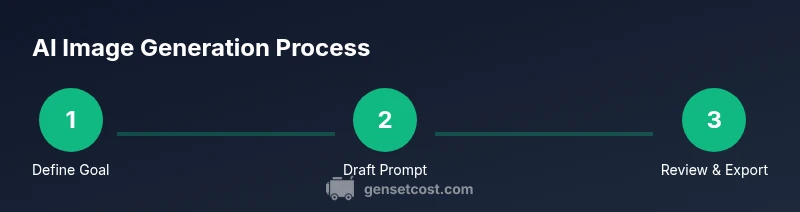
A practical workflow starts with a clear objective and a defined audience for each image. After selecting a generator, draft baseline prompts and generate several variants. Review results for alignment with brand and technical requirements, then refine prompts to steer style, lighting, and composition. Save successful prompts as templates to accelerate future work, and establish a review loop to catch misrepresentations or licensing issues before publishing. Maintain organized exports with metadata such as resolution, color profile, and licensing terms to streamline asset management.
Prompts: crafting effective prompts that yield reliable results
Prompts shape the output more than any other factor. Start with a concise description of the subject, setting, mood, and required attributes (lighting, color temperature, perspective). Add constraints like aspect ratio, resolution, and style reference (e.g., a corporate brochure look or a particular art style). Use iterative refinement: review outputs, identify gaps, adjust descriptors, and rerun. Keep a prompt library with different tones (informational, friendly, technical) to match each use case and audience.
Safety, licensing, and ethics in AI imagery
Understand that generated images may reflect training data biases. Use diverse prompts and review results for potential stereotypes or misrepresentations. Check licensing policies: commercial rights, redistribution rules, and whether the provider requires attribution. If the image depicts real people or recognizable trademarks, verify consent and rights. Maintain a record of prompts and outputs for accountability and future audits.
Integrating AI-generated images into your content workflow
Export images in the appropriate formats (web-optimized JPEG/PNG, print-ready TIFF, or vector formats when available). Include alt text and accessibility metadata to improve discoverability and compliance. Maintain a content calendar and archiving system so generated visuals align with campaigns and regulatory requirements. Tie outputs to your analytics to measure how visuals affect engagement and understanding. For teams using Genset Cost materials, ensure visuals consistently reflect domain terminology and branding guidelines.
Cost considerations and budgeting for AI image generation
Budgeting for AI image generation involves evaluating licensing terms, monthly quotas, and per-output fees. Consider how many images you need per month, the required resolution, and whether you’ll need frequent updates or seasonal variations. Many tools offer tiered plans; choose a tier that matches your volume and the needed quality. Plan for a potential ramp-up period where you test several prompts and refines workflows before committing to long-term contracts. Remember that quality outputs can reduce the need for costly custom design work.
Tools & Materials
- A computer or tablet with internet access(Stable connection; modern browser or app)
- Access to an AI image generator tool(Choose a platform that fits your use case and licensing needs)
- Prompt engineering guide (optional)(Helps you craft effective prompts)
- Brand guidelines and asset templates(Ensure visual consistency and compliance)
- Asset management system or folder structure(Organize exports with metadata)
Steps
Estimated time: 60-120 minutes
- 1
Define objective and constraints
Clarify what you want to achieve with AI-generated imagery (educational content, product mockups, branding materials) and set constraints like style, tone, and audience. This helps guide prompt construction and tool selection.
Tip: Write a one-sentence brief for the image you need. - 2
Select the right generator
Choose a platform that offers the required resolution, license, and workflow integrations. If you plan heavy usage, test cost models and export options.
Tip: Run side-by-side prompts on 2-3 tools to compare outputs. - 3
Draft baseline prompts
Create a simple, repeatable prompt that captures subject, setting, mood, and style. Include constraints like aspect ratio and color palette.
Tip: Use a template prompt and swap keywords to diversify results. - 4
Generate and review outputs
Produce multiple variants and assess them for accuracy, branding fit, and accessibility. Flag any outputs that require revision or licensing checks.
Tip: Label each variant with its prompt name for easy reference. - 5
Refine prompts and iterate
Adjust descriptors based on what’s missing (lighting, texture, perspective) and re-run until desired quality is achieved.
Tip: Keep a changelog of prompt tweaks for reproducibility. - 6
Export and integrate
Export assets in required formats, add alt text, and place into your content pipeline. Verify licensing and attribution requirements are met.
Tip: Create a standardized export package per asset.
People Also Ask
What is an AI image generator and how does it work?
An AI image generator uses machine learning models to convert prompts into visuals. You input a description, style preferences, and constraints, and the model generates an image that matches those parameters. Outputs can vary based on model, prompts, and settings.
An AI image generator uses machine learning to turn prompts into pictures. You describe what you want, and the system creates images that match your description.
Do I need coding to use an AI image generator?
Most consumer and professional tools offer graphical interfaces that don’t require coding. Some platforms provide APIs for automated workflows, which is useful for bulk generation or integration into apps. For most tasks, a browser-based interface is sufficient.
No coding is usually required. You can use the web interface, and only developers need APIs for automation.
Can I use AI-generated images for commercial use?
Licensing varies by provider. Some platforms grant broad commercial rights, while others require attribution or limit redistribution. Always review the terms before using images in ads, products, or resale.
Commercial use depends on the license. Check the provider's terms before publishing.
How do prompts influence results and what makes a good prompt?
Prompts shape output quality more than any other factor. A good prompt includes subject, setting, mood, style, and technical constraints. Iterative refinement is essential to reach the desired look.
Prompts guide what the tool creates; refine them to get closer to your goal.
What about licensing and attribution requirements?
Licensing governs how you can use images. Some licenses require attribution; others are unrestricted for commercial use. Always document license terms for each asset and ensure compliance.
Know the license terms and keep a record for every image.
How can I ensure accessibility when using AI-generated images?
Provide alt text that describes the image content and purpose. Favor high-contrast visuals and avoid sensitive stereotypes. Accessibility improves audience reach and compliance with guidelines.
Describe images with alt text and use accessible design practices.
Watch Video
Key Takeaways
- Define clear goals before generating images.
- Test multiple prompts and tools to find the best fit.
- Prioritize licensing and accessibility in every export.
- Develop a repeatable prompt template library.
- Budget for long-term use with a scalable plan.