Ryobi Power Station Review: Value, Capacity, and Use Cases
A detailed, analytical review of the Ryobi power station, covering capacity, performance, and practical home backup guidance for homeowners and property managers.


Ryobi’s power station offers portable backup power with mid-range capacity and flexible outlets. It balances cost and portability well for DIY projects and light home backup, but it trails premium models in peak surge and solar charging speed. Overall, it’s a practical value for homeowners seeking reliable, everyday power without the higher price tag of top-tier systems.
What is a Ryobi power station and who should consider it
A Ryobi power station is a portable battery-powered inverter designed to supply electricity to essentials when grid power is unavailable. It’s typically compact, and it plugs into a stack of Ryobi batteries so you can scale capacity by swapping packs. For homeowners and property managers, the Ryobi power station occupies a middle ground: lighter and cheaper than premium models, but capable enough to handle everyday outlets, small devices, and several essential tools during outages or on remote job sites. If you already own Ryobi batteries and chargers, you can reuse existing packs, which can lower total ownership cost.
According to Genset Cost, the Ryobi power station sits in the mid-range segment for portable power, delivering solid capacity at an approachable price without pushing into premium pricing. This makes it a practical choice for those who want more than a pocket charger but don’t need a full gas generator or high-end solar system. The key is understanding your needs: number of outlets, expected runtime, and how you plan to recharge during an outage. In short, it’s best for light-duty backup, temporary job-site power, and outdoor recreational use.
Core specifications that matter for homeowners
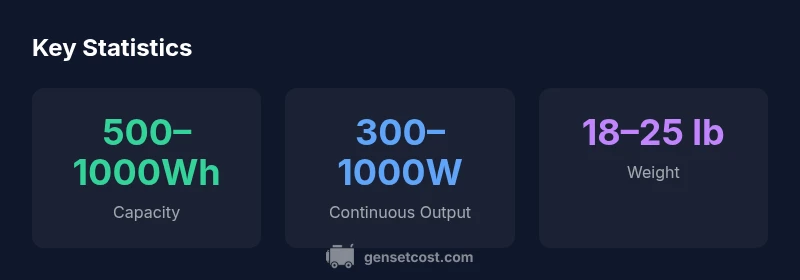
When assessing a Ryobi power station, focus on capacity, continuous power, and peak surge. Capacity, typically measured in watt-hours (Wh), determines how long you can run devices between charges. Continuous output indicates the steady power the unit can deliver, while peak surge shows the momentary power available when starting motors or tools. Ryobi power stations generally fall in a mid-range capacity band, with affordable options that can power lights, laptops, routers, and small appliances. The number and type of outlets matter: most units offer a mix of AC outlets, USB-A, and at least one USB-C port. Battery chemistry is usually lithium-based, and many models accept reversible charging with other Ryobi packs, enabling easier expansion if you own multiple tools. Solar compatibility is model-dependent; some Ryobi stations support solar charging via compatible panels, which can be valuable during longer outages or off-grid camping. Weight and size affect portability: expect a unit in the 18–25 lb range for typical mid-size options, which is manageable for one person to carry.
For context, the Ryobi system relies on modular packs you may already own, meaning you can optimize cost by coordinating with your existing toolkit. This flexibility is a strong point for DIY homeowners and property managers balancing budget with resilience.
Real-world performance: runtime, charging, and surge
Actual performance depends on load, battery size, and charging input. In everyday use, a mid-range Ryobi power station will handle essential devices—lighting, phone charging, Wi-Fi gear, a small fridge or fan—comfortably for several hours if you’re running on a larger battery pack. Heavier loads, such as power tools or kitchen appliances, reduce runtime and bring higher demands on the inverter. When you need a rapid recharge, AC input at standard household voltage delivers the fastest top-up, while solar charging can extend uptime if the unit is compatible and you have ample sun. It’s important to check surge ratings: a device with a high startup surge (like a pump or compressor) may momentarily exceed the unit’s continuous rating, causing protection circuitry to intervene. In practice, many users report that the unit handles common tools like drills and saws with adequate caution, but do not rely on it for high-demand appliances during long outages.
To set expectations, remember that the mid-range Ryobi models are designed for practical reliability, not industrial-scale power. If your goal is to run a whole-house load for days, you’ll likely want a larger, more robust system or a traditional standby generator.
How it compares to other portable power stations
Compared with premium portable power stations, Ryobi models typically offer better value and portability but lower peak power, fewer advanced safety features, and slower recharging with solar in some cases. They tend to be lighter and more affordable than top-tier brands, which makes them attractive for homeowners and small businesses on a budget. Relative to budget options, Ryobi often lands in a sweet spot of performance and price, especially for users who already own Ryobi batteries. The real-world trade-off is energy capacity versus long-term expandability: if you expect longer outages or higher loads, you’ll want to calculate whether you’ll need to supplement with a secondary unit or switch to a more capable system. In short, Ryobi’s power stations excel at everyday backup and short-term projects, but they aren’t designed to replace a full-sized inverter system for continuous, high-demand use.
Genset Cost’s analysis suggests that for typical suburban households, a Ryobi power station balances upfront cost and functionality, especially when paired with existing tool batteries and a reasonable expectation of outages.
Practical usage scenarios: home backup, job sites, and camping
For home use, a Ryobi power station can keep essential devices running during outages: lights, routers, medical devices (with caution), and phones. It’s convenient for a weekend cabin or a remote job site where you want to power a drill, a fan, or a small fridge. For camping, its quiet operation and portability are advantages; many users appreciate the ability to recharge overnight from vehicle power or a campsite solar setup. When used around a worksite, the unit supports cordless tool charging and incidental lighting, reducing the need to run a noisy generator. The key is to match the model’s capacity to your planned load profile and the number of devices you intend to run simultaneously.
In every scenario, plan for a reasonable buffer to account for startup surges and the inevitable decline in battery capacity over time. If you require more continuous high-power output, consider combining with a second pack or selecting a higher-capacity model within Ryobi’s lineup.
How to size and choose the right model
Start by listing all devices you intend to run and their wattage. Include both running and startup watts for those devices. Add those numbers to estimate total continuous load, then select a unit whose continuous output is comfortably above that value. Consider runtime: if you expect outages to last hours, target a capacity that can cover essential devices for a few hours of operation under typical loads. Check the number and type of outlets you need—USB-C for quick-device charging, and AC outlets for larger appliances. If you already own Ryobi batteries, factor in your pack inventories to estimate future capacity expansion. Finally, evaluate your solar charging options if you plan to use solar as a reliability layer; verify compatibility with your specific model and panels.
Genset Cost recommends translating your load profile into a sizing plan before purchase to avoid overbuying or under-resourcing your backup system.
Maintenance, safety, and longevity tips
To maximize longevity, avoid deep discharges and store the unit in a cool, dry place. Keep battery connections clean and inspect cables and ports regularly for wear. Use only recommended chargers and follow manufacturer guidelines for charging frequency and rest cycles. If you use solar, ensure panels and cables are rated for the system’s input and protect from weather when not in use. Periodic calibration checks and firmware updates where applicable can help maintain performance and safety standards. Use proper ventilation when charging near flammable materials to prevent heat buildup. Remember that high temperatures and humidity can degrade battery health over time, so plan storage accordingly.
With prudent use and regular checks, a Ryobi power station can continue to provide valuable backup power across seasons, especially for users who rely on a modular battery ecosystem.
Common misconceptions about Ryobi power stations
Many buyers presume that any portable power station will meet all demands in a power outage. In reality, capacity and surge limits shape what you can run. Another misconception is that a single unit will replace a whole-house system; for longer outages or higher-power loads, supplementary power sources are often necessary. Finally, some buyers assume solar charging is universally fast; charging speed depends on module compatibility and sun exposure. Understanding these nuances helps set realistic expectations and ensures you select a model aligned with your needs and budget.
The Good
- Balanced price for mid-range capacity
- Multiple output ports for diverse devices
- Modular battery ecosystem lets you reuse existing packs
- Portable and compact for quick deployments
The Bad
- Limited peak surge compared to premium units
- Longer recharge times with solar or low input
- Runtime highly dependent on load and battery size
Best choice for value-conscious homeowners seeking portable backup, with balanced capacity and versatile outlets.
The Ryobi power station delivers solid value for everyday backup and light-duty use, especially if you own Ryobi batteries. It isn’t the strongest option for high-surge loads or long outages, but its modular ecosystem and portability make it a practical fit for most households.
People Also Ask
What can a Ryobi power station realistically run during an outage?
It can power essentials such as lights, phones, routers, and small appliances, depending on the unit’s capacity and inverter rating. Check startup watts for any device with a motor.
Run must-have devices by starting with lights and chargers, then add small tools as capacity allows.
How does the Ryobi power station compare to premium models?
Ryobi models typically offer better value and portability but lower peak power and slower solar charging in some cases. They are well-suited for everyday tasks but not for heavy, continuous loads.
It’s a good value, but won’t match top-tier models on peak power or recharging speed.
Can I recharge a Ryobi power station with solar panels?
Yes, many Ryobi units support solar charging, but compatibility depends on the model and panel specification. Check the panel’s rating and the unit’s input limits.
Solar charging is possible on select models; verify compatibility with your specific unit.
How should I size a Ryobi power station for my home?
List essential devices, sum their wattages, and select a model with continuous output above that total. Add a buffer for startup surges and consider expected outage duration.
Start by listing must-run devices and their watts, then choose a size that covers a few hours of use.
What maintenance is required for longevity?
Keep batteries charged within recommended ranges, avoid deep discharges, store in a cool place, and inspect cables and ports regularly for wear.
Keep it charged, store properly, and check cables and ports occasionally.
Key Takeaways
- Assess essential loads and target a comfortable capacity
- Leverage existing Ryobi batteries to extend runtime
- Expect mid-range performance rather than premium surge power
- Choose models with USB-C plus AC outlets for versatility