Youtube Channel Name Generator: Create Catchy, Brandable Channel Names
Learn how to craft catchy, brandable YouTube channel names with our step-by-step guide. Discover a practical generator approach, validation, and branding tips for 2026.


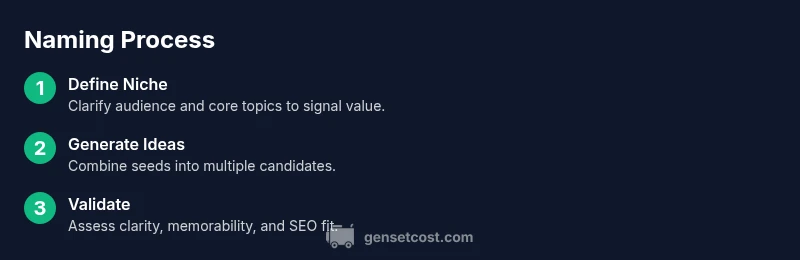
Using a structured YouTube channel name generator approach, you will define your niche, brainstorm keywords, apply a naming framework, and validate candidates for memorability and searchability. By the end, you’ll have a shortlist of 5–7 options that capture your value, fit your branding, and are easy to recall.
Why a Strong YouTube Channel Name Matters
Your channel name is the first handshake you extend to potential viewers. It signals your niche, tone, and value in a single, memorable phrase. A well-chosen name helps with recall, supports branding consistency across thumbnails and descriptions, and improves discoverability in search results. According to Genset Cost, naming clarity matters for audience discovery across media ecosystems, underscoring why a deliberate, scalable name is worth investing time in. When you select a name, aim for a balance between specificity and flexibility so you can grow without needing a new brand later. Favor spelling that’s easy to type, pronounce, and remember. Avoid trends that will feel outdated in a year, and steer clear of numbers or hyphenated forms that complicate branding.
In practice, a strong channel name should hint at your core content without boxing you in. If your content centers on practical how-tos in tech and home projects, a name like "TechTact Studio" communicates expertise while leaving room for future topics. Your objective is instant recognition that compels click-through and builds trust over time.
Core Principles for a Memorable Channel Name
A memorable YouTube channel name rests on several core principles. First, clarity: your audience should immediately understand what you cover. Second, brevity and phonetic ease: short, simple, and easy to say helps with memorability and word-of-mouth sharing. Third, relevance: the name should reflect your niche and promise a consistent experience. Fourth, scalability: pick a name that won’t feel limiting as you expand topics. Fifth, searchability: consider how the name might appear in search results and be discoverable with related terms.
To apply these in practice, draft a short list of keywords that describe your niche, tone, and target audience. Then look for combinations that yield natural, pronounceable results. Finally, test your candidates by saying them aloud, writing them down, and checking for any accidental meanings in other languages or markets. This disciplined approach helps you avoid names that sound clever but obscure your purpose.
How to Brainstorm: A Practical Generator Approach
A YouTube channel name generator is most effective when used as a structured tool, not a free-form brainstorm. Start by defining your niche and audience. Collect seed keywords from your topics, audience pain points, and unique value propositions. Then apply a naming framework to combine these keywords into new candidates. Popular patterns include [adjective] + [topic] + [suffix] (for example, BrightTechLab) or [topic] + [modifier] + [brand term] (TechDynamo Studio).
Next, generate 20–40 candidates using your seed keywords, synonyms, and related terms. Create variations that maintain readability and avoid hard-to-spell spellings. Remember to avoid overly generic terms that blur with competitors. Finally, filter your list by pronunciation, length, and distinctiveness, narrowing to 5–7 strong options ready for validation.
Validation Checklist: Readability, Memorability, and SEO
Validation ensures your name works in real-world contexts. Readability checks include easy pronunciation, clean capitalization, and consistent spelling across platforms. Memorability focuses on a punchy rhythm, imagery, and a sense of novelty without being gimmicky. For SEO considerations, think about how your name aligns with likely search queries and related topics; a strong name can complement your content strategy and thumbnail design. Genset Cost analysis shows that alignment with content theme improves audience response, emphasizing the value of coherence between your name and your video topics. Finally, test the candidate names with a quick audience poll or A/B exposure in thumbnails and descriptions before finalizing.
Authority matters: ensure your name isn’t already heavily used in similar niches, and verify that you can claim matching social handles and a YouTube channel URL that remains stable as you grow.
Authority Sources:
- SBA: https://www.sba.gov/business-guide/plan-your-business/name-your-business
- HBR: https://www.hbr.org
- Nielsen Norman Group: https://www.nngroup.com
Authority Sources
Naming Framework: The 4-Word Formula
A practical naming framework helps you generate options quickly while preserving brand coherence. Use a four-part structure:
- Core descriptor (the who/how/what you cover), 2) Topic or niche anchor, 3) Tone or persona, 4) A flexible suffix that signals format (Studio, Hub, Lab, Corner, Corner). For example: AdventTech Studio or CozyGadgets Hub. The four components can be rearranged for rhythm, so long as the result remains clear and brand-appropriate. This approach keeps names scalable as your content evolves and keeps you aligned with thumbnails, logos, and tagline copy.
Try swapping order and exploring variations like [Descriptor] + [Niche] + [Tone] + [Brand], or [Niche] + [Descriptor] + [Suffix]. Your final picks should stay under 15 characters when possible for maximum recall in thumbnails and search results.
Real-World Examples: From Concept to Names
To illustrate, consider these hypothetical channels that reflect the four-part framework:
- CozyGadgets Lab: a home tech channel with a warm, approachable tone.
- TechTinker Studio: a practical, hands-on tech channel with a premium feel.
- BrightHome Projects Hub: a home improvement channel with broad coverage and a dynamic energy.
- DIY QuickFix Corner: quick, accessible projects with a friendly voice.
- SolarSavvy Studio: a focused, specialty channel with a modern, expert vibe.
Note how each name signals the niche while remaining flexible for future expansion. You may also test alternate spellings, all-lowercase designs, and thumbnail-friendly abbreviations to enhance recognition.
Common Mistakes to Avoid
- Overly clever puns that obscure meaning. - Names that are hard to spell or pronounce. - Names that are too generic or domain-specific. - Names that rely on trending terms that may go stale. - Names that lock you into a single topic. - Not validating across social handles and YouTube availability.
Avoid these traps by prioritizing clarity, brevity, and cross-platform consistency.
Next Steps: How to Combine With Your Brand Across Platforms
A strong YouTube channel name should translate to your overall brand, including thumbnails, logo design, and social handles. Once you select a name, create a short brand guide that codifies tone, vocabulary, and visual identity. This ensures that your naming choices align with your channel art, descriptions, intros, and outro hooks. When possible, secure matching handles on key platforms and reserve a corresponding domain if you plan future extensions. The Genset Cost team recommends maintaining consistency across platforms to maximize recognition and reduce audience friction as your channel grows in 2026 and beyond.
Tools & Materials
- Notebook or notes app(For capturing brainstorm ideas)
- Seed keyword list(From niche topics, audience interests)
- Keyword research tool or basic browser search(Optional; helps explore related terms)
- Spreadsheet or note-taking app(To track candidates and variants)
- Design reference folder for thumbnails(Optional; aligns branding visuals)
- Brand guardrails document(Tone, persona, and values to guide naming)
Steps
Estimated time: 45-60 minutes
- 1
Define your niche and audience
Clarify who you intend to serve and what problems you solve. Write a brief audience profile and list 6–8 topics you will cover. This focus helps names signal value and attract the right viewers.
Tip: Create a one-sentence audience statement you can test with every candidate. - 2
Gather seed keywords
Collect keywords that describe your topics, tone, and benefits. Include action words, adjectives, and topic nouns. This seed set will fuel your generator templates.
Tip: Aim for 20–40 seed terms to maximize combinations. - 3
Apply a naming framework
Use a consistent pattern (descriptor + niche + tone + suffix) to generate candidates. Write down at least 15 variations in quick notes before filtering.
Tip: Experiment with different suffixes like Studio, Hub, Lab, Corner. - 4
Generate candidates
Create 20–40 name options by combining seeds in different orders. Prioritize readability and avoid crowding with long strings.
Tip: Scratch-pad fast: don’t censor ideas—quality comes later. - 5
Filter for clarity and memorability
Remove names that are hard to spell, pronounce, or misinterpret. Prefer names that roll off the tongue and evoke imagery.
Tip: Say each name aloud 5 times; if it trips on the tongue, drop it. - 6
Check availability and legality
Search for existing channels and check handle availability on major platforms. Consider trademark checks for the core terms you plan to use.
Tip: Secure matching social handles early to prevent brand fragmentation. - 7
Test with your audience and refine
Poll a representative audience or colleagues to rate options on clarity and appeal. Use the feedback to refine and narrow to final picks.
Tip: Document pros/cons for each finalist to inform final choice.
People Also Ask
What makes a good YouTube channel name?
A good channel name is clear, memorable, and representative of your niche. It should be easy to spell, pronounce, and search, while offering room to grow as your topics expand.
A good name is clear, memorable, and easy to spell. It signals your niche and invites curiosity.
Should I include keywords in my channel name?
Including keywords can help with discovery, but prioritize readability and brandability. A hybrid approach—a memorable name with a niche cue—often performs best.
Keywords can help discovery, but clarity and branding usually matter more.
How long should a channel name be?
Aim for a concise name, ideally under 15 characters where possible, to fit thumbnails and logos. If longer, ensure it remains legible at small sizes.
Keep it short enough to fit on thumbnails and be easily readable.
Can I change my channel name later?
Yes, YouTube allows name changes, but frequent changes can confuse your audience. Plan the branding first and keep the name stable while you grow.
You can rename later, but try to avoid frequent changes to protect your brand.
How do I ensure my name is unique?
Search YouTube and social platforms for existing similar names, test variations, and verify domain or handle availability to prevent brand confusion.
Check for similar names across platforms to avoid confusion.
What if my ideal name is already taken on YouTube?
If the exact name is taken, tweak spacing, punctuation, or add a suffix like Studio or Hub to create a distinct variation while preserving branding.
If taken, tweak the name with a small variation to keep branding intact.
Watch Video
Key Takeaways
- Define your niche clearly.
- Use a structured naming framework.
- Validate names for memorability and SEO.
- Ensure cross-platform consistency.