YouTube Name Generator: A Practical Guide for Creators
Learn how to use a youtube name generator to brainstorm memorable channel names, test branding fit, and ensure consistency across platforms. This step-by-step guide covers criteria, templates, and real-world examples to help creators pick a name that sticks and supports growth.


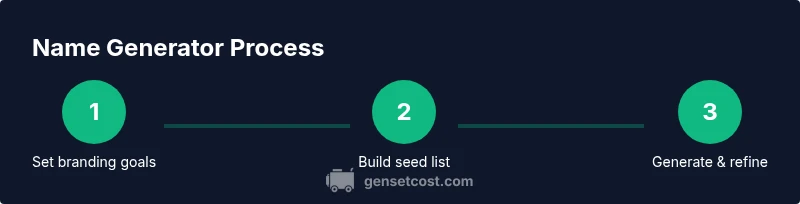
In this guide you’ll learn how to use a youtube name generator to brainstorm ideas, test branding fit, and select a channel name that resonates with your audience. You’ll define goals, prepare seed keywords, run generators, and evaluate results for memorability, discoverability, and scalability. Follow the step-by-step workflow to build a strong, brand-safe YouTube presence.
Why a youtube name generator matters
A strong YouTube channel name acts as the first handshake with your audience. It signals your niche, tone, and promise, which makes it easier for viewers to remember you and for the algorithm to understand your content. A youtube name generator is a practical tool that helps you surface diverse naming options quickly, ensuring you don’t get stuck in a creative rut. According to Genset Cost, thoughtful naming workflows improve branding consistency and long-term channel recognition, especially when you plan to expand to additional platforms. By exploring variations and patterns with a generator, you gain confidence that your name will scale as your channel grows and evolves, while still feeling authentic to your core mission.
In practice, a generator is not a final answer but a starting point. It provides a landscape of ideas—from punchy one-liners to descriptive blends—that you can refine. The key is to pair the outputs with your branding goals and audience expectations. The result should be a name that’s easy to spell, easy to search, and capable of becoming a recognizable brand across thumbnails, banners, and video titles.
Branding goals set the direction for naming
Before you spin up any generator, clarify what your brand stands for. Do you want a playful tone, a professional stance, or something in between? Identify three adjectives that capture your channel’s personality, a concise mission statement, and the primary audience you serve. A youtube name generator then helps you translate these intentions into name options. If your aim is to attract beginners in a niche, you might favor approachable language and clarity over clever wordplay. Conversely, a tech-focused channel may benefit from sharper, tech-friendly terms. Aligning naming with branding goals reduces revision cycles and creates a cohesive identity from logo to video thumbnails.
Tip: Write down seed keywords that reflect your focus, voice, and target audience. These seeds fuel the generator and anchor the output in your brand narrative.
Core criteria for a strong YouTube channel name
A memorable YouTube channel name should be short enough to recall, unique enough to stand out, and clear enough to convey your topic. It needs to be easy to spell and pronounce, minimizing missearches and mispronunciations. A good name also performs well in search and discovery, so consider including a keyword hint without keyword stuffing. In addition, verify that your chosen name isn’t already in heavy use or confusingly similar to an established channel. Finally, ensure it scales with your growth: if you later broaden topics or add sub-niches, the base name should still fit.
Remember that naming is both creative and practical. A generator helps surface possibilities, but the final pick should feel natural, authentic, and future-proof. Keep a list of top contenders and test them with friends or potential viewers to gauge impressions and memorability.
Seed ideas: building a robust seed word list
A strong seed word list blends your niche, audience, and brand tone. Start with core keywords that describe your content, then add modifiers that convey style and intent. Use alliteration, rhythm, or familiar phrase structures to improve recall. Include synonyms and related terms to widen the search space, but avoid overly long combinations that hinder readability. A well-curated seed list reduces time spent tweaking outputs and increases the likelihood of finding a name that sparks curiosity.
As you compile seeds, group them into three buckets: topics (What your channel covers), audience (Who you serve), and vibe (The feel or mood). The generator can then combine seeds across these buckets to surface diverse options that stay true to your branding.
Using a youtube name generator: workflow and patterns
A youtube name generator works best when you approach it with a clear workflow. Start by defining preferred lengths, whether you want a descriptive or branded name, and any must-have keywords. Run multiple patterns—concise names, descriptive blends, and creative portmanteaus. Look for patterns such as alliteration, rhymes, or explicit topic cues. After generating, filter results by legibility and brand fit, discarding any that look awkward in thumbnails or logos. Use the outputs as raw material for further refinement rather than final selections.
Practical patterns include [topic] + [descriptor], [descriptor] + [topic], and blended forms that fuse two ideas. Always cross-check pronunciation and searchability to avoid ambiguous spellings that confuse viewers.
Practical evaluation: testing names for memorability and availability
When you have candidate names, test them for memorability, readability, and findability. Say them aloud, write them down, and test on a mock thumbnail. Check if search results show similar channels or brand confusion. Availability matters: verify that the exact channel name or close variants are not taken, and consider securing matching social handles where possible. For a robust branding strategy, aim for a name that remains strong across platforms, in logos, and in short video intros. If a name feels forced or hard to spell, rework it using your seed list patterns or a different generator pattern.
Engage a small audience or fellow creators in a quick poll to gain external perspectives. Real-world feedback often reveals pronunciation issues or misinterpretations you hadn’t anticipated. The best names pass both internal branding tests and external perception checks.
Common naming patterns and templates
Different creators gravitate toward different naming templates depending on their niche and tone. You’ll see patterns like simple topic descriptors (e.g., “Tech Insights”), playful combos (e.g., “Snackable Science”), and branded blends (e.g., “YourName Studio”). Templates such as [Topic] + [Angle], [Adjective] + [Noun], or [Verb] + [Noun] provide structure while leaving room for creativity. Consider whether your name should imply authority, entertainment, or education. Use generator outputs to populate several templates, then refine toward a name that feels natural and scalable across content formats.
Always test for trademark conflicts and domain availability. A safe and scalable name reduces legal risk and helps you grow into new formats, such as live streams or courses.
Real-world examples: before and after
To illustrate the process, imagine a channel focused on beginner-friendly woodworking. A rough seed list might include wood, craft, plan, simple, and build. A youtube name generator could surface candidates like “SimpleWood CraftLab,” “Build YourWood Basics,” or “CraftedPlan Woodworks.” Through refinement and branding alignment, you might settle on a concise option such as “WoodBasics Studio,” which communicates clarity and approachability while staying memorable. The same approach applies to gaming, cooking, or educational channels—seed words spark ideas, and the generator accelerates discovery while your branding instincts perform the final curation.
By documenting your decision criteria and testing multiple options, you’ll arrive at a name that resonates with your audience and supports consistent branding across videos and thumbnails.
Next steps: protecting your brand and launching
Once you’ve chosen a name, protect your brand by securing consistent social handles and considering a basic logo or thumbnail style guide. Document your naming rules for future expansions and sub-series to maintain coherence. Plan a channel launch that aligns with the name’s tone, and prepare early content to demonstrate your brand promise. Periodically review how the name performs as your channel evolves, and be prepared to iterate if new topics demand adjustments in branding. Maintaining a consistent brand story will help your audience recognize and trust your channel over time.
Tools & Materials
- Reliable computer or smartphone(Any device with a modern browser and internet access)
- Stable internet connection(Prefer a reliable broadband or mobile connection)
- Seed keywords list(Compiled topics, audience terms, and vibe words)
- Access to naming tools or generators(Web-based generators or spreadsheet/workspace for manual combos)
- Branding guidelines or notes(Optional but helpful for alignment across assets)
- Notes for testing and validation(Prepare a method to test memorability and searchability)
Steps
Estimated time: 60-90 minutes
- 1
Define branding goals
Clarify your channel’s niche, audience, and tone. Write three adjectives that describe the brand and draft a one-sentence mission. This foundation guides name generation and prevents misalignment later.
Tip: Keep the branding goals concise and review them before generating names. - 2
Create seed keywords
Build a list of core terms related to your topic, audience, and desired vibe. Include synonyms and related concepts to widen the generator’s output without drifting from your brand.
Tip: Organize seeds into topics, audiences, and vibes for easy mixing. - 3
Run multiple name patterns
Use different templates (topic + descriptor, adjective + noun, and blended forms) to surface diverse ideas. Generate several rounds to ensure breadth.
Tip: Don’t rely on a single pattern; combine results from multiple templates. - 4
Filter for readability and search
Eliminate names that are hard to spell, too long, or ambiguous. Check how they look in thumbnails and titles, and test simple searches.
Tip: Say names aloud to catch awkward phonetics. - 5
Check availability and branding fit
Verify YouTube handle availability and look for close matches across major social platforms. Prefer names you can own consistently.
Tip: Aim for a name with matching social handles if possible. - 6
Finalize and document
Choose the strongest option and record the justification and branding notes. Prepare a short tagline and thumbnail style guide to reinforce the name.
Tip: Create a quick checklist to revisit before future rebrands.
People Also Ask
What is a youtube name generator?
A youtube name generator is a tool or workflow that combines seeds, patterns, and branding cues to surface channel name ideas. It helps creators brainstorm more options quickly while preserving brand alignment.
Think of it as a brainstorming machine for channel names that still keeps your brand in mind.
How do I test if a name is available on YouTube?
Check the YouTube handle and channel name availability, and search for close matches to avoid confusion. Look for consistency across other platforms, and verify that the name isn’t trademarked in your region.
Check handles now and ensure consistency across platforms.
Should I include numbers in my channel name?
Numbers can add uniqueness but may hinder memorability. Prefer clean, simple names and only add numbers if they strengthen brand clarity or differentiate a clear sub-topic.
Use numbers sparingly and only if they clearly improve brand clarity.
Can a youtube name generator improve branding beyond YouTube?
Yes. A generator helps create a cohesive naming system that can apply to social handles, logos, and thumbnails, supporting a unified brand across platforms.
It helps you craft a naming system you can apply everywhere.
What if I can’t find a good name right away?
Revisit your seed keywords, try new templates, and ask for feedback. Sometimes reframing the niche or adjusting tone yields better results.
Take a fresh pass with new seeds and patterns.
How long should the final naming process take?
The duration varies by channel complexity. Allocate time for brainstorming, filtering, and validation, then test with a small audience before locking in a name.
Give yourself time to test and validate choices.
Watch Video
Key Takeaways
- Brainstorm broadly with seed keywords to surface options.
- Use multiple naming patterns to increase creativity and flexibility.
- Test names for readability, searchability, and brand fit before finalizing.
- Verify availability across platforms to protect your brand.
- Document branding decisions to support future growth.