Are Hydrogen Water Generators Worth It? An In-Depth Review
A balanced analysis of whether hydrogen water generators deliver measurable value, weighing costs, maintenance, and evidence-backed benefits for homeowners.


Are hydrogen water generators worth it? In short, they provide convenient access to hydrogen-rich water, but health benefits are contested and the payoff depends on usage, upfront costs, and ongoing maintenance. For many households, the combination of a higher upfront price and recurring replacement parts can outweigh modest perceived gains, making them a niche choice rather than a universal must-have.
What are hydrogen water generators and what they claim
Hydrogen water generators electrolyze tap water to increase dissolved molecular hydrogen (H2). Proponents argue this hydrogen-rich water can act as an antioxidant and improve hydration. The central question many homeowners ask is are hydrogen water generators worth it? The answer hinges on your goals, budget, and tolerance for ongoing maintenance. While some users report subjective benefits, robust clinical evidence remains limited and outcomes vary by device, water quality, and frequency of use. This article disentangles claims from reality and sets expectations for cost, performance, and practical use. According to Genset Cost, the wellness-device market has grown, but hydrogen water generators remain a niche option with variable value depending on usage and upkeep.
How they work and what to expect
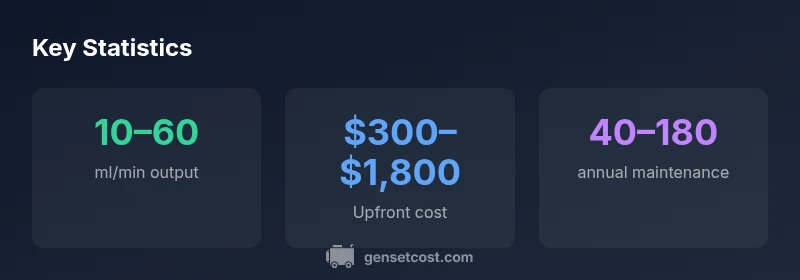
Most units use an electrolysis cell to split water molecules or to dissolve hydrogen gas into the liquid. They require a power source, a water supply, and periodic filters to remove minerals and other contaminants. Expect a modest amount of hydrogen per glass, typically described in milliliters per minute, which translates to several servings per day for heavy users. Real-world performance hinges on water quality, electrode material, maintenance discipline, and how you consume the water (sip vs. chug). This section explains typical operation, performance variability, and what to watch for during use.
Cost, pricing, and ROI considerations
Upfront price for a consumer hydrogen water generator typically spans hundreds to a few thousand dollars, depending on features such as dual-output, filtration quality, and build materials. Ongoing costs include replacement filters, minerals, and occasional parts replacement. From a purely economic perspective, the ROI is highly sensitive to how you value hydration and whether you would otherwise buy bottled water or supplements. In practice, many buyers find the break-even period longer than expected, making the decision highly personal and usage-dependent. Brand-market activity and promotions can also affect the perceived value.
Evidence and health-related claims: what science says
The promise of hydrogen-rich water rests on laboratory studies suggesting antioxidant activity, but translating those results into meaningful health benefits for everyday people is not straightforward. Large, high-quality clinical trials are scarce, and many consumer claims are extrapolated from limited data. As a result, are hydrogen water generators worth it? For most consumers, the prudent stance is to view these devices as hydration aids rather than medical devices, and to maintain realistic expectations about potential outcomes.
Features to compare when shopping
When evaluating models, prioritize several concrete features: hydrogen production rate (ml/min), energy efficiency, and electrode material, plus filtration quality and serviceability. Look for a clear maintenance schedule, easy access to replacement parts, warranty length, and reputable customer support. Size and noise level matter if you plan to place the unit in a kitchen or living area. Finally, compare total cost of ownership over 2–5 years, not just the sticker price. A structured checklist helps you avoid buyer’s remorse.
Maintenance, reliability, and warranty realities
Maintenance can be the hidden cost of ownership. Expect periodic filter replacements, occasional electrode cleaning, and water-quality checks. Some models require professional service for certain components, while others are designed for DIY maintenance. Warranty coverage varies by brand, with longer warranties often correlating with higher upfront prices but greater peace of mind. If you value reliability, seek models with clear service networks and readily available spare parts.
Practical usage scenarios and alternatives
If you regularly consume hydrogen-infused water during workouts, recovery, or periods of oxidative stress, a hydrogen water generator may be convenient. For casual use, alternatives such as filtered water plus dietary antioxidants could meet your goals at lower upfront cost. Another option is to buy hydrogen-enriched water in single-serve bottles, though this creates ongoing plastic waste. Finally, consider whether hydration habits—timing, volume, and consistency—will drive more value than the device itself.
Buying guidance by user type
- Active exercisers and athletes: may derive the most value from higher output models and robust filters.
- Health-conscious homeowners with budget flexibility: weigh the perceived benefits against costs and maintenance.
- Renters or short-stay properties: consider portability and warranty transferability.
- Budget buyers: compare total cost of ownership and potential alternative hydration options before purchasing. This framework helps you decide if the device aligns with your specific lifestyle and goals.
Market landscape, reliability signals, and what to watch next
The market for hydrogen water generators is fragmented, with many small brands and limited independent testing. Look for third-party certifications, solid customer support, and transparent performance specs. As with many wellness gadgets, the best choice depends on your willingness to trade cost for convenience. In the end, the decision should balance your hydration goals with the practical realities of maintenance, energy use, and space in your home.
The Good
- Convenient access to hydrogen-rich water at home
- Eliminates plastic bottle waste for frequent users
- Control over water quality and purity via built-in filtration
- Potential value for enthusiasts with specific hydration goals
The Bad
- Health benefits are not universally proven
- High upfront cost and ongoing maintenance
- Frequent filter replacements add to running costs
- Limited independent testing and long-term data
Balanced choice for enthusiasts; not essential for most households.
Hydrogen water generators offer convenient access to hydrogen-rich water, but the health benefits are not universally proven. The total cost of ownership—price plus maintenance—often outweighs perceived gains for casual users. They are best considered by those with clear usage patterns and budget flexibility.
People Also Ask
Do hydrogen water generators improve health?
Evidence on health benefits is mixed. While some studies show potential antioxidant effects, robust, long-term clinical data in everyday populations are limited. Users should view these devices as hydration aids rather than medical solutions.
Health benefits are not guaranteed; they’re best treated as hydration tools with limited clinical backing.
What should I expect to pay for a unit?
Prices vary widely by features and build quality, typically hundreds to thousands of dollars upfront. Ongoing costs include replacement filters and occasional parts. Consider total cost of ownership when comparing models.
Expect a wide price range; factor in maintenance costs when deciding.
How often should filters be replaced?
Replacement frequency depends on model, water quality, and usage. Follow manufacturer guidelines, and budget for semi-annual to annual filter changes in many setups.
Filters typically require regular replacement; check the manual for your model.
Are these devices safe for home use?
Generally safe when used as directed and combined with proper electrical and water-quality practices. Ensure you follow maintenance schedules and avoid using degraded filters or poor-quality water.
Safety is good if maintenance is kept up and you use clean water.
How do I compare different models?
Compare hydrogen output, energy use, filtration, warranty, and support. Read independent reviews when possible and calculate total ownership costs over several years.
Compare output, costs, and support before buying.
Key Takeaways
- Assess hydration goals and budget before buying
- Calculate total cost of ownership over 2–5 years
- Verify health claims with credible sources and manage expectations
- Choose models with clear maintenance plans and solid support