Generator 220V Guide: Sizing, Costs, and Installation
Learn how to size, compare costs, and install a 220V generator for home backup, with practical guidance on wiring, transfer switches, and safety.


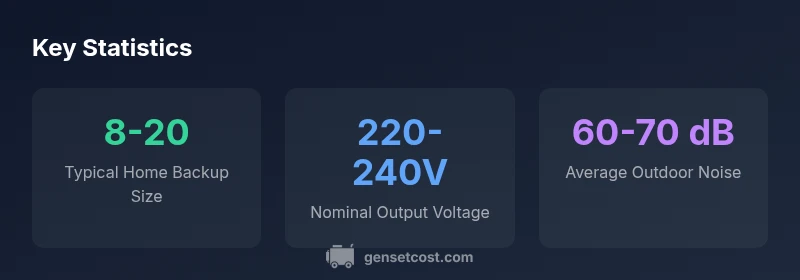
A 220V generator provides 220-240V for home backup using a transfer switch. For most homes, an 8–20 kW unit covers essential loads, while bigger homes may require 20 kW or more. Our sizing guide has step-by-step calculations, plus safety and installation considerations.
What is a 220V Generator?
A generator labeled 220V delivers nominal output in the 220-240V range, which is standard for many homes and buildings in North America and Europe. In the United States, most residences use a 120/240V split-phase service, so a 220V generator is typically wired through a transfer switch to feed select circuits or the entire panel. The 220V designation means higher power per circuit, allowing heavy-duty appliances to run with fewer parallel circuits. When evaluating a 220V generator, check your panel configuration and whether your setup requires single-phase or dual-phase outputs to match your circuits. Modern installations commonly pair 220V units with automatic or manual transfer switches to ensure safe isolation from the grid during outages.
Sizing Your 220V Generator for a Home
Begin with a home-load audit. List essential devices (refrigerator, sump pump, furnace blower, and lighting) and estimate running watts for each. Add motor start-ups (compressors, sump pumps) as surge watts. Sum these values, then add 20-30% headroom for future loads and efficiency losses. A typical single-family home often sits in the 8–20 kW range for full coverage, while smaller or larger homes may fall outside this band. A practical approach is to start with an 8 kW unit for lights and refrigeration, then move up to 12–16 kW if you add HVAC or water heating circuits. In all cases, conduct a formal load calculation (detailed in the sizing calculator) or hire a licensed electrician to verify before purchasing.
Fuel Types and Efficiency for 220V Generators
Fuel choice substantially affects running costs and emissions. Gasoline is common for portable units; propane or natural gas offer stable, switch-free fuel supplies for standby systems; diesel can be more durable for larger engines but may require larger fuel storage on-site. Efficiency varies with load, and many users find running most units most efficiently at mid-range loads (roughly 50-75%). Consider fuel availability, storage space, and long-term costs when comparing options.
How to Wire a 220V Generator: Transfer Switches and Safety
A 220V generator must be isolated from the grid to prevent backfeeding, which is dangerous for utility workers and equipment. Use a transfer switch or interlock kit to connect the generator to your main panel. There are automatic transfer switches (ATS) and manual transfer switches; both require careful wiring by a licensed electrician. Never connect a generator directly to a household receptacle or attempt to backfeed a panel without proper switching and local code approval.
Installation Considerations and Permits
Installation involves more than the generator itself. Local permits, proper clearance, ventilation, a solid mounting base, and safe exhaust routing are all essential. Outdoor location should be well-ventilated and away from doors or windows to prevent fumes from entering living spaces. Electrical work should meet local electrical codes (NEC in the U.S., CEC in Canada) and may require a licensed professional to obtain permits and perform the wiring.
Maintenance, Longevity, and Service Plans
Regular maintenance extends the life of a 220V generator. Plan for oil changes, air-filter cleaning, battery checks, spark plug replacement, and fuel stabilization. Create a maintenance schedule based on run hours and manufacturer recommendations. Keeping a log helps ensure you hit annual service milestones and pre-winter checks, reducing the risk of a failure during an outage.
Costs and Value for 220V Generators
Total installed costs vary by unit size, transfer-switch type, a stand-alone enclosure, and local labor rates. Broad ranges exist for mid-size residential systems, and installation can introduce added costs for permits and electrical upgrades. On average, many homeowners expect ranges in the affordable to mid-range spectrum depending on location and specification. Always obtain multiple quotes and verify that the installer is licensed, insured, and familiar with your local codes and requirements.
Practical Buyer's Guide: Brand, Warranty, and Service
When buying a 220V generator, consider reliability, warranty length, and access to authorized service networks. Look for a solid warranty on the generator core and the transfer switch, and verify availability of replacement parts in your region. Compare brands based on service coverage, availability of technicians, and user reviews to minimize downtime during outages.
Key technical attributes of 220V generators
| Aspect | Typical 220V Usage | Notes |
|---|---|---|
| Wattage range | 8-20 kW | Common home backup capacity |
| Nominal voltage | 220-240 V | Standard for many regions and panel configurations |
| Starting vs running watts | Higher surge at startup | Crucial for motors and compressors |
| Connection method | Hardwired via transfer switch | Safer alternative to backfeeding |
People Also Ask
What does 220V mean for a home generator?
220V refers to the nominal system voltage for the generator’s output. It supports higher power loads and is compatible with many homes’ split-phase or single-phase configurations when wired through a transfer switch.
220 volts means the generator can handle higher-powered appliances safely when connected through a transfer switch.
Can I legally connect a 220V generator directly to my home without a transfer switch?
No. Backfeeding into the electrical panel is dangerous and illegal in many areas. A transfer switch or interlock is required to isolate the generator from the grid.
Never connect a generator directly to your home panel without a transfer switch.
What size 220V generator do I need for a typical home?
Size depends on your loads. Many homes succeed with 8–20 kW units for essential circuits, but a formal load calculation is essential to confirm.
Most homes fall in the 8 to 20 kilowatt range, but a load calculation is the only reliable way to pick size.
What are the main differences between 220V and 120V backup systems?
220V systems deliver more power per line, reducing the number of parallel circuits needed. 120V systems are simpler but may require more wiring or multiple units to cover the same loads.
220V systems give you more power per line, which means fewer circuits and wires in use.
How often should I service a 220V generator?
Follow the manufacturer’s guidelines, typically every 100–200 hours of operation or annually for standby units.
Regular yearly service or after hundreds of hours keeps the generator reliable.
Are 220V generators more expensive to install than 120V?
Installation costs depend on transfer switches, wiring, and permits. A 220V setup may require stronger wiring and a compliant transfer switch, affecting price.
Often a bit more due to wiring and transfer-switch requirements.
“A properly sized 220V generator paired with a robust transfer switch is foundational for reliable home backup power.”
Key Takeaways
- Start with a professional load assessment to define backup needs
- Target 8–20 kW for most homes' essential loads
- Prioritize a transfer switch for safe switching
- Compare fuel types to balance cost and emissions
- Include installation costs in your budget from day one