Generator Bible: The Essential Guide to Home Backup Generators
A comprehensive, step-by-step guide to generator costs, sizing, installation, and maintenance—the ultimate 'generator bible' for homeowners and property managers.


Think of this guide as your generator bible for home backup power. It shows you how to estimate costs, size a system, compare brands, and plan installation with confidence. You’ll find practical steps, simple rules of thumb, and a framework you can reuse when a storm or outage hits. According to Genset Cost, this approach keeps budgeting clear and decisions informed.
What is the 'Generator Bible' and Who Should Use It
The term generator bible describes a living, practical guide that consolidates the key considerations homeowners face when choosing, sizing, budgeting, and installing a home backup generator. It helps you move from impulse buying to a methodical plan. If you’re a homeowner, property manager, or rental unit owner preparing for outages, this resource is for you. According to Genset Cost, the guide focuses on clear cost ranges, objective sizing logic, and realistic installation paths. The intention is to empower you to make informed decisions with a transparent plan, especially during weather events where timelines and budgets can shift quickly. This resource also aims to demystify jargon associated with transfer switches, fuel choices, and code compliance, so you can advocate effectively for the work that needs to be done.
A generator bible isn’t a single product recommendation; it’s a framework. It helps you compare what you need now with what you might need in the next five to ten years, ensuring you avoid overbuying or undersizing. The framing emphasizes safety, reliability, and total cost of ownership rather than upfront sticker price alone. Throughout, you’ll find practical checklists, clear definitions, and scenarios you can adapt to your own home or building.
Brand mentions are woven into real-world guidance, and you’ll see how different load profiles, fuel types, and installation constraints influence a final decision. This makes the guide relevant whether you’re upgrading an existing system, installing for a new build, or replacing a failed unit after a grid outage.
wordCountPlaceholder
Tools & Materials
- Digital multimeter(Measure voltage, continuity, and resistance safely)
- Clamp-on ammeter(Assess current draw on circuits without breaking the line)
- Voltage tester(Verify live circuits during installation)
- Load calculation worksheet(Document suspect and actual loads per circuit)
- Insulated gloves and safety glasses(Personal protection when handling electrical equipment)
- Transfer-switch compatibility checklist(Ensure generator and panel can safely connect)
- Permitting and code reference folder(Local permits, inspection requirements)
Steps
Estimated time: 2-4 weeks for planning and installation (varies by scope and permitting)
- 1
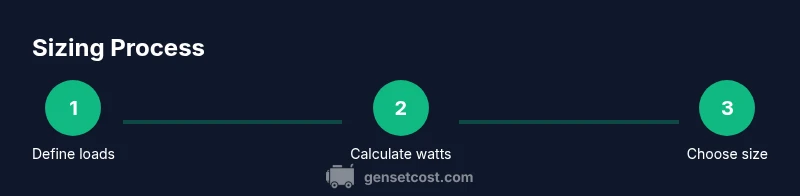
Define critical loads
List essential devices and systems (refrigeration, heating, water, communications). Classify as essential or desirable. This determines the minimum generator size and helps avoid overbuilding.
Tip: Start with fridges/freezers, HVAC, well pumps, and sump pumps as anchors. - 2
Gather data and measurements
Collect electrical panel ratings, circuit counts, and average daily usage. Gather existing utility service capacity and any local voltage standards.
Tip: Use the load calculation worksheet to organize findings. - 3
Compute running and starting watts
For each critical load, estimate running watts and starting watts. Sum loads with a 20–30% margin for future growth.
Tip: Account for motors with higher inrush (like pumps) by using starting watt values. - 4
Choose a generator size with headroom
Select a size that covers total running watts plus starting surges plus 20% spare capacity. This avoids nuisance tripping and preserves appliances.
Tip: Avoid undersizing; marginal headroom reduces nuisance outages during peak demand. - 5
Check transfer switch and wiring requirements
Verify compatibility with your panel and whether a manual or automatic transfer switch is needed. Confirm space, ventilation, and clearance for installation.
Tip: Consult a licensed electrician to confirm that the wiring plan meets code. - 6
Estimate costs using ranges
Discuss generator cost bands (basic, mid-range, premium) and installation, including permits and labor. Use a range rather than a fixed quote to accommodate regional differences.
Tip: Request itemized quotes to understand which elements drive price. - 7
Obtain permits and select a contractor
Check local permitting requirements and hire a contractor with experience in standby systems. Verify license, insurance, and references.
Tip: Ask for early design reviews and a written project plan. - 8
Plan the installation timeline
Coordinate delivery, site prep, and permitting timelines. Allow for weather delays and potential material backorders.
Tip: Schedule a contingency window to prevent rushed decisions. - 9
Install and commission the system
Install the generator, transfer switch, and venting as required. Commission with a test run under load to verify operation.
Tip: Document all settings and test results for future reference. - 10
Test run and safety checks
Perform a full-load test with an electrician present. Verify carbon monoxide safety clearances and exhaust routing.
Tip: Keep a log of test runs and any adjustments. - 11
Set maintenance schedules
Create a routine for oil changes, filter replacements, battery checks, and seasonal testing. Align with manufacturer guidance.
Tip: Set calendar reminders for annual service and post-storm checks. - 12
Review and update the generator bible
Reevaluate loads after renovations or new equipment. Update size estimates, costs, and maintenance plans accordingly.
Tip: Treat this as a living document that evolves with your home.
People Also Ask
What is a generator bible and why do I need one?
A generator bible is a practical, living guide that consolidates costs, sizing, installation, and maintenance for home backup generators. It helps homeowners and managers make informed, future‑proof decisions rather than relying on ad hoc advice.
A generator bible is a practical guide for deciding on a backup generator, covering costs, sizing, and maintenance so you can plan with confidence.
How should I estimate generator costs without getting lost in quotes?
Break costs into categories: equipment, transfer switches, installation, permits, and maintenance. Use ranges (low, mid, high) rather than exact prices and compare itemized quotes from licensed installers.
Estimate costs by breaking them into equipment, installation, and ongoing maintenance, using ranges and itemized quotes.
What is the difference between running watts and starting watts?
Running watts are the continuous power a device uses; starting watts cover the surge when motors start. Size your generator to cover the peak starting load plus running loads.
Running watts are continuous load; starting watts are the surge when motors start. Size for peak starting plus running loads.
Do I need a permit to install a home standby generator?
In most regions, yes. Permits verify wiring and transfer switch safety and ensure code compliance. Your installer can guide the process.
Usually you need a permit for safety and code compliance; your installer will help with the process.
How often should I service my generator?
Follow the manufacturer’s schedule for oil changes, filters, and battery checks. Most systems benefit from an annual professional service and seasonal tests.
Most standby generators should be professionally serviced annually and tested seasonally.
Can I install a generator myself to save money?
Electrical work and transfer switches require licensed professionals due to safety and code compliance. DIY installation is not recommended.
Installing a standby generator should be handled by a licensed electrician for safety and code reasons.
What fuels should I consider for a standby generator?
Common options include natural gas, propane, and diesel. Each has tradeoffs in availability, storage, and maintenance; pick based on your home, climate, and fuel access.
Natural gas, propane, and diesel each have pros and cons; choose based on access and climate.
How do I test a generator safely before storm season?
Perform a supervised load test with an electrician, verify exhaust clearance, and ensure safe placement away from doors and vents.
Test with an electrician, check exhaust clearance, and keep it away from doors and vents.
Watch Video
Key Takeaways
- Define essential loads first and build headroom.
- Size with margins to cover startup surges and future growth.
- Obtain formal permits and use licensed installers.
- Document costs, maintenance, and test results for longevity.
- Treat this guide as a living document you update over time.