GP5500 Generac Generator Review: A Practical Guide for Home Backup Power
In-depth analytical review of the GP5500 Generac portable generator, covering sizing, performance, usability, runtime expectations, and cost considerations for homeowners and property managers.


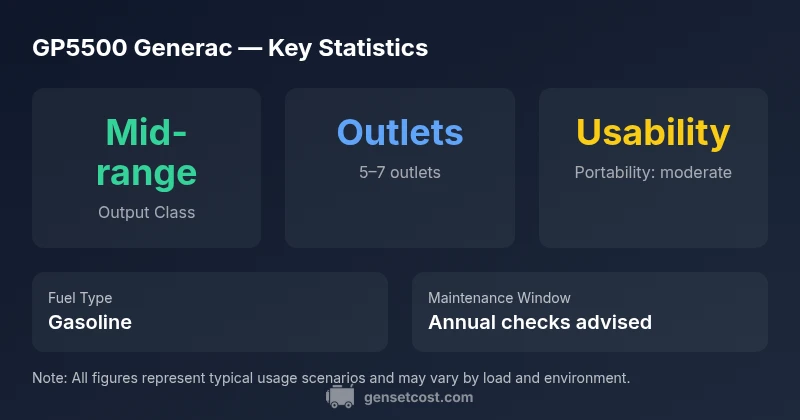
GP5500 Generac generator sits in the mid-range of portable home backup options, delivering reliable power for essential circuits during outages. It offers straightforward operation, practical runtime, and a broad outlet setup, making it suitable for homeowners and property managers who value dependable performance without professional installation. Trade-offs include louder operation and heavier weight compared with more compact, premium models.
GP5500 Generac Generator: Position in a Home Backup Strategy
The GP5500 Generac generator occupies a practical middle ground for households that want dependable power during outages without committing to a home-wiring project or a whole-home standby system. It typically targets essential circuits (refrigeration, lighting, some outlets) and can bridge the gap between small portable units and larger, permanently installed generators. For property managers, the GP5500 offers a familiar maintenance footprint and the ability to service multiple units at multiple sites without dedicated electrical infrastructure. When evaluating this model, align your expectations with typical outage patterns in your area, the number of critical devices you want protected, and the available storage space for a portable gas-powered unit. This approach helps you decide whether the GP5500 is the right balance of power, portability, and upfront cost for your situation.
Brand reliability is a key consideration; in this space, Generac has a long-standing reputation for broad dealer networks and widely available parts. For the GP5500, practical reliability hinges on routine maintenance (air filter changes, spark plug checks, and fuel stability) and timely battery checks for electric-start versions. In short, think of it as a reliable mid-range backup option: not as compact as a pocket-sized unit, but smaller and simpler to service than large standby systems.
Sizing and Power Needs: How to Decide If GP5500 Fits Your Home
Sizing is the first major step in choosing any portable generator, and the GP5500 is no exception. Homeowners should start by compiling a list of essential circuits and peak loads, then compare that aggregate to the unit’s expected output class in a qualitative sense. Rather than chasing exact wattage figures, focus on whether the generator can handle the most demanding devices you plan to run simultaneously, such as a refrigerator, lights, and a few outlets for chargers or small appliances. If your peak needs exceed the GP5500’s capabilities, you’ll either need to reduce the load, stagger startups (fess up to surge requirements), or consider a larger generator or a dedicated transfer switch for critical circuits. For property managers, this means calculating the typical load across units and prioritizing common-area essentials (lighting, security systems, elevators where applicable) in the event of an outage.
A practical sizing method is to group appliances by surge and running needs, then estimate whether the GP5500’s target range can sustain them together. If you frequently experience longer outages, pairing the GP5500 with a load-shedding strategy (priority outlets, essential-only circuits) can maximize usable run time and reduce nuisance trips. Consulting a licensed electrician for a formal load calculation remains the most reliable way to avoid undersizing or overloading the unit.
For a balanced approach, homeowners often consider the GP5500 as the core of a mobile backup strategy rather than the sole source of power for an entire home. This keeps the system flexible and avoids the higher costs and complexity of a full standby installation. In any case, the goal is to protect crucial devices and maintain basic comfort during outages without overcommitting to a single equipment path.
Fuel, Runtime, and Efficiency: Real-World Expectations
Fuel choice and fuel management strongly influence the GP5500’s practicality. Gasoline is common for portable generators, and the GP5500 is designed around this fuel type. The key efficiency considerations are how long it can run on a full tank under typical loads and how quickly it can recover power after a drop in demand. In real-world terms, most users discover that runtime hinges on load: as you add more devices, fuel consumption rises, and the unit cycles through fuel at a faster rate. For homeowners, this means planning for fuel storage and rotation, especially in areas with harsh winters or hot summers that drive higher cooling loads.
Fuel stability matters too. If a unit sits unused for long periods, stabilized fuel or a quality fuel stabilizer helps prevent starting issues. Regular maintenance, including ensuring clean air and proper carburetor function, supports predictable performance. Emissions and efficiency guidelines vary by region, so check local compliance and recommended idle behavior to maximize efficiency and minimize fuel waste.
Compared with larger, permanently installed systems, the GP5500 offers modest fuel economy benefits when used for short outages or partial-load scenarios. For many households, that aligns with practical usage: run essential devices for several hours, then refuel and resume operations as needed. When integrating into a rental or multi-unit setup, consider fuel logistics, storage codes, and the potential need for refueling accessibility near living areas. A thoughtful approach to fuel management can significantly improve the perceived value of the GP5500 in day-to-day use.
Start Methods, Outlets, and Usability: Getting It Running Quickly
User experience with the GP5500 hinges on starting methods, the availability of outlets, and how easily you can connect critical devices. Many models in this class offer a traditional recoil start, while some variants include electric start for convenience. The key usability considerations are how fast you can get power to the most-needed devices and how straightforward it is to switch between different loads safely. A well-designed generator makes it simple to plug in a refrigerator, a few lights, and a charger for essential electronics, while avoiding overloading the circuit. Portability is another practical factor: weight distribution, handle design, and wheel kits influence how easily a homeowner or property manager can maneuver the unit into place in times of need.
Outlets matter too. Look for a mix of 120V outlets, and if available, a 240V option or a dedicated outlet for a transfer switch. The latter makes it easier to tie the GP5500 into a home electrical system if you plan to run critical loads in a more controlled fashion during an outage. If you intend to use the unit frequently or in multiple locations, a model with a longer run time at practical loads reduces the number of refuels and downtime, enhancing reliability for property managers overseeing multiple units.
From a safety perspective, ensure you follow the manufacturer’s instructions for grounding, fuel storage, and shutdown procedures. A simple, user-friendly design reduces the risk of improper use and improves overall satisfaction. In short, the GP5500’s usability rests on a balance of start convenience, diverse outlets, and a thoughtful transfer-switch integration path for established backup plans.
Build Quality, Durability, and Noise Considerations
Durability is a common concern with portable generators because it channels heavy-use scenarios like storm prep and off-grid periods. The GP5500 builds on a sturdy frame and protective shrouding to withstand outdoor storage and transport. For homeowners, this translates into better resilience against bumps, rain exposure, and routine handling while moving the unit in and out of a garage or shed. Maintenance accessibility is another factor: a design that exposes air filters, spark plugs, and oil fill points without removing panels saves time and reduces the likelihood of skipped maintenance.
Noise is a tangible drawback for many portable generators. In mixed neighborhoods or shared property spaces, the GP5500’s noise profile can be noticeable, especially if you run it during evenings or early mornings. Practically, you’ll want to place the unit away from living spaces, shield it with a barrier when possible, and schedule refueling to minimize idle time with the engine running. Weather resistance and moisture protection matter as well; consider a canopy or shelter that still allows for adequate ventilation and proper exhaust clearance. The balance you seek is a unit that remains durable across seasons while staying within acceptable noise and footprint limits for your property type and neighbor considerations.
Maintenance, Servicing, and Warranty Considerations
A good maintenance plan is essential for ensuring the GP5500 remains reliable when outages occur. A typical schedule includes regular checks of air filters, spark plugs, oil level, and fuel quality, as well as periodic carburetor and output connections inspections. Documenting service intervals helps keep the unit ready for use and supports resale value if you ever decide to upgrade. An accessible parts network is a real advantage for home and property manager users who may not have direct vendor access in remote locations.
Warranty terms vary by region and retailer, but most models in this class offer a standard warranty period and specific coverage for the engine and alternator. When budgeting for ownership, remember that extended warranties or service plans may improve long-term peace of mind, especially if you rely on backup power for critical operations across multiple units. Keeping a simple service log, stocking common consumables (oil, filters, spark plugs), and scheduling annual checks with a qualified technician are practical steps that improve reliability and life span of the GP5500. Regular maintenance helps avoid the common pitfalls of neglect, such as reduced performance or unexpected breakdowns.
Installation and Transfer Switch Considerations: Safe and Legal Backups
For many homes and rental properties, the GP5500 is used as a portable backup, but some scenarios call for a safer, more integrated approach. If you intend to power essential circuits daily during outages, a transfer switch can provide a clean, code-compliant path to back up a subset of circuits. A licensed electrician should evaluate whether your home’s electrical panel and feeder capacity allow a safe connection and whether a manual or automatic transfer switch best fits your needs. In multi-unit buildings, coordination with local electrical codes and insurance requirements is essential to avoid liability or safety issues.
The GP5500 can serve as a practical source for a dedicated load center or a limited circuit branch, but attempting to backfeed into a main panel without professional equipment and approvals is hazardous and often illegal. If you’re evaluating a transfer-switch upgrade, plan for a staged approach: first confirm your load requirements, then install a switch that isolates the generator from the grid while it supplies designated circuits. Finally, test the system under controlled conditions to ensure everything remains safe and reliable when the power goes out.
Cost and Value: Total Ownership That Keeps Things Clear
Understanding the GP5500’s value requires looking beyond the sticker price to total ownership costs. The upfront cost is only part of the story; ongoing fuel costs, routine maintenance, and potential service visits add up over the unit’s life. For homeowners, a mid-range portable generator like the GP5500 often hits a sweet spot between affordability and capability, especially when outages are intermittent and do not require whole-house power. Property managers may assess multi-unit fuel logistics and maintenance staffing to gauge long-term cost effectiveness. A practical approach is to estimate annual maintenance cycles, typical refuel intervals, and the probability of needing replacement components within the warranty window. When compared to larger standby systems or premium portable models, the GP5500 may offer favorable total cost of ownership for many use cases, while not delivering top-tier noise control or sheer power, which some competitors offer.
To maximize value, pair the GP5500 with a well-defined outage plan that prioritizes essential devices. Use load-shedding practices, sensible storage, and efficient fueling routines to minimize downtime and keep operating costs predictable. If your outages are frequent, consider whether a higher-capacity generator would yield higher uptime with lower fuel expense per hour. In any case, a thoughtful, load-aware strategy will help you realize the GP5500’s value without overspending.
Practical Buying Guide: Who Should Buy GP5500 and What to Check
The GP5500 Generac generator is well-suited for homeowners who want reliable, mid-range backup power without the complexity of a full standby installation. It’s also a viable option for property managers managing small residential properties or single-building portfolios that require targeted backup for appliances and essential services. Before buying, verify the unit’s weight and wheel kit availability to ensure you can move and store it safely on-site. Check the outlet mix to confirm you can power the devices you rely on most, and ensure there is easy access to a safe refueling location away from living spaces. A quick check of the warranty, available maintenance support, and the dealer’s service network will help you plan for long-term reliability. Finally, perform a simple, in-situ load assessment to determine whether the GP5500 will meet your essential-power needs or if a larger unit would better suit your goals.
Bottom line: if your priority is dependable, mid-range portable backup with straightforward operation and a robust support network, the GP5500 Generac generator is a strong candidate. Pair it with a practical outage plan and solid maintenance habits, and you’ll improve your resilience without committing to a heavy, permanently installed system.
The Good
- Solid mid-range power suitable for essential circuits
- Broad outlet selection facilitates plug-and-play use
- Relatively simple maintenance with accessible parts
- Good value for homeowners and property managers seeking reliability
The Bad
- Heavier and louder than compact rivals
- Not a professional-install solution for whole-home backup
- Requires regular maintenance to ensure reliability
Best for reliability-focused homeowners needing a mid-range portable backup.
The GP5500 Generac generator offers a balance of performance, ease of use, and cost-effectiveness for typical outages. It is not the quietest or lightest option, but its reliability and versatile outlets make it a strong all-around choice for most households and small property setups.
People Also Ask
What is the GP5500 Generac generator best for?
The GP5500 is best for homeowners who want reliable, mid-range portable backup power for essential circuits during outages. It’s also suitable for property managers needing a practical unit across smaller buildings. It’s not designed to replace a full home standby system.
Best for reliable essential-power during outages, and for small property applications. Not for whole-house standby.
Can it run whole-house loads?
No single portable generator in this class is typically capable of powering an entire home during a prolonged outage. The GP5500 targets essential circuits and high-priority loads. For full-home resilience, you would normally look at a larger standby system or a more complex load-management plan.
It’s designed for essentials, not whole-house resilience. A larger system is needed for full-home power.
Does it support electric start?
Some GP5500 variants offer an electric start option in addition to a recoil start. If you value quick startup, confirm the model you’re purchasing includes the electric-start feature and has a reliable battery replacement plan.
Some variants have electric start; check if your model includes it and keep the battery in good condition.
What maintenance is required?
Regular maintenance includes air-filter checks, spark plug inspection, oil level monitoring, and fuel stability practices. Keep a simple service log and perform annual checks, especially before the start of outage seasons.
Regular checks, a simple log, and annual servicing keep it dependable.
How do I size a GP5500 for my home?
Start with a load survey of essential devices and estimate surge requirements. Compare the total running wattage to your generator’s class and adjust based on expected outage duration and fuel availability. When in doubt, consult a licensed electrician for a formal load calculation.
Do a load survey of essentials, then size based on that plus surge needs. If unsure, get a professional load calculation.
Is transfer-switch integration recommended?
For predictable outages, a transfer switch offers a safer, code-compliant path to back up designated circuits. A licensed electrician should assess panel compatibility and local codes before installation.
Transfer switches can improve safety; have a pro assess compatibility and codes.
Key Takeaways
- Assess your load before purchasing to confirm GP5500 suitability
- Expect mid-range performance with broad outlet options
- Account for weight and noise when planning storage
- Compare total ownership costs against alternatives
- Check transfer-switch compatibility for safe integration