How to Use a Bread Maker: A Step-by-Step Guide
Discover a practical, expert guide to using a bread maker: load ingredients correctly, choose programs and crusts, bake reliably, and maintain your machine for long-lasting results.


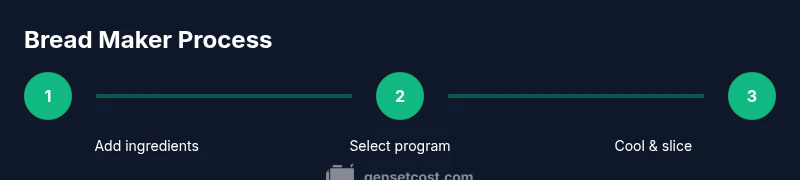
This guide helps you master how do you use bread maker by outlining the essential steps: load ingredients in the correct order, select the right loaf program and crust color, let the machine knead, rise, and bake, then cool before slicing. You’ll learn common pitfalls and basic maintenance to ensure consistent loaves.
How Do You Use Bread Maker: Overview and Prerequisites
If you’re wondering how do you use bread maker effectively, you’re about to learn a practical approach that works for most home bakers. According to Genset Cost, households frequently turn to bread makers to simplify weekly bread routines and improve loaf consistency. The Genset Cost team found that dedicating a few minutes to ingredient prep, program selection, and yeast handling pays off with fewer failed loaves and less guesswork. This guide covers setup, program selection, ingredient loading, cycle phases, common mistakes, and cleaning—so you can bake with confidence, every time.
Choosing Programs, Loaf Sizes, and Crust Settings
Bread makers today come with a range of programs for basic white or whole-wheat loaves, whole grains, and specialty breads like sweet dough or gluten-free options. Start by choosing the correct loaf size for your pan (usually 1 lb, 1.5 lb, or 2 lb). Then pick a crust setting that matches your preference: light, medium, or dark. Each program has a kneading schedule, rising time, and baking duration designed to yield a reliable crust and crumb. If you’re new, start with a standard white loaf on a medium crust and adjust in future batches based on results.
Ingredient Loading: Order, Measurements, and Yeast Handling
Most bread makers perform best when liquids go into the pan first, followed by dry ingredients, with yeast added last in a separate well or on top of dry ingredients. Use a kitchen scale for accuracy and measure flour, sugar, salt, and fat precisely. Yeast should not touch liquids until the machine starts mixing; this prevents premature activation and potential dough collapse. Room-temperature ingredients help ensure consistent fermentation.
The Kneading, Rising, and Baking Phases Explained
Once the cycle starts, the machine kneads dough, develops gluten, and then begins a rising period. The exact timings depend on the program and loaf size. You’ll notice a rhythmic kneading pattern and a rising stage that expands the dough until it reaches the correct volume. Finally, the baking phase activates the oven’s heat to bake a balanced crust and crumb. Do not open the lid during the kneading or baking phases, as this can interrupt gluten development.
Common Mistakes and Quick Fixes
Common issues include dense loaves, peaked or sunken tops, or uneven crusts. Tips to prevent these problems: ensure yeast is fresh and not exposed to liquids before mixing, measure ingredients accurately, and avoid adding too much sugar or fat. If a loaf rises too slowly, check water temperature and yeast viability; if it overproofs, shorten the rising time in future batches or switch to a shorter program.
Cleaning and Maintenance for Reliable Results
Regular maintenance helps your bread maker deliver consistent results. After cooling, wipe the pan and blade with a damp cloth and dry thoroughly to prevent mineral buildup. Do a light wipe inside the lid area to remove flour dust, and store the machine in a dry location away from moisture. Periodically inspect the paddle for wear and replace if necessary to maintain proper dough incorporation.
Cost and Efficiency: Getting the Most from Your Bread Maker
Bread makers are relatively energy-efficient appliances, especially when baking a standard loaf. To maximize efficiency, bake multiple loaves in a row when possible, and store unused ingredients properly to minimize waste. Consider the economics of ingredients (flour, yeast, sugar, and fat) and batch size to optimize cost per loaf. While this guide focuses on technique, small changes in ingredient quality can noticeably affect flavor and texture.
Troubleshooting Guide for Common Issues
If your loaf fails, start with the basics: confirm yeast is fresh, verify correct ingredient order, and ensure the program selection matches the loaf size. For crust that's too light, try a darker setting or a longer bake time. Dense crumb may indicate overproofing or insufficient kneading. Keep notes of each batch to identify patterns and adjust future cycles accordingly.
Getting Creative: Add-ins, Gluten-Free, and Advanced Techniques
Once you’re comfortable with a basic loaf, experiment with add-ins like seeds, nuts, or dried fruit. For gluten-free loaves, use a program specifically designed for GF dough and adjust liquid ratios accordingly. Advanced bakers experiment with pulse times, sugar content, and fat types to customize texture. Always start with small adjustments and keep a log for reproducibility. The key is consistency and careful observation.
Tools & Materials
- Digital kitchen scale(Precise measurement of flour, water, sugar, salt, and fat)
- Measuring cups and spoons(Used for ingredients not weighed (optional but helpful))
- Bread maker pan with paddle(Make sure it's clean and fits your model)
- Basic bread ingredients (flour, water, yeast, salt, sugar, fat)(Include fresh yeast; store gluten-free options separately)
- Mixing bowls and whisk(For pre-measuring and mixing optional components)
- Thermometer (optional)(Check liquid temperature for optimum yeast activity)
- Clean cloth or towel(Wipe spills and dry the exterior)
Steps
Estimated time: 3-4 hours
- 1
Gather ingredients and set up
Assemble all ingredients on the counter and confirm your bread maker is clean and dry. Place the pan in the machine and prepare a clean workspace for loading. This upfront organization helps avoid last-minute mishaps during the cycle.
Tip: Have a labeled container for flour and yeast to prevent cross-contamination. - 2
Add liquids and then dry ingredients
Pour liquids into the bread pan first, followed by dry ingredients. Create a small well in the dry ingredients and place yeast in that gap, ensuring it remains dry until the mixer begins. This sequencing helps the yeast activate at the right moment.
Tip: Keep liquids at room temperature to avoid shocking the yeast. - 3
Set loaf size and program
Select the correct loaf size (1 lb, 1.5 lb, or 2 lb) and the desired crust setting. If you’re new, start with a standard white loaf on a medium crust to learn the machine’s behavior before experimenting with whole grains or GF dough.
Tip: Document your choice in a small notebook next to the machine for future reference. - 4
Start the cycle and monitor
Close the lid and start the cycle. Avoid opening the lid during kneading or baking, as exposure to air can flatten the dough and affect crust development. Let the machine complete its programmed sequence.
Tip: If your cycle stops unexpectedly, check power supply or reset the machine as per the user manual. - 5
Cool the loaf then remove
When the baking completes, carefully remove the loaf with oven mitts and place it on a rack to cool for at least 20 minutes before slicing. Cooling helps ensure the crumb sets properly and prevents a gummy texture.
Tip: Use a sharp bread knife for clean slices after resting. - 6
Clean and store the bread maker
Once cool, remove the pan and paddle, wash with warm soapy water, and dry thoroughly. Wipe the interior of the lid area and keep the unit in a dry place to prevent rust or odor buildup.
Tip: Regular cleaning after each bake prolongs the machine’s life and keeps flavors fresh.
People Also Ask
Can I bake gluten-free bread in a bread maker?
Many bread makers offer gluten-free programs, but results vary by model and recipe. Use a GF blend and follow the manufacturer’s GF instructions for best results.
Yes, some models have gluten-free settings; check your manual for GF recipes and guidelines.
Why did my bread rise and then sink?
Possible causes include overproofing, too much liquid, or insufficient gluten development. Adjust rising times, verify yeast activity, and ensure accurate measurements in your next bake.
If it peaked and fell, it may have overproofed or had too much liquid; try shorter rising time and precise measurements.
Can I use the dough setting without baking?
Yes. Many bread makers have a dough cycle that kneads and proofs without baking. This is ideal for shaping by hand or using as a starter for other recipes.
Absolutely—use the dough setting to knead and rise without baking.
What loaf sizes do most bread makers support?
Most machines offer 1 lb, 1.5 lb, and 2 lb options; choose based on your pan size and household needs.
Typically 1, 1.5, or 2 pounds are available options.
Should I preheat ingredients before adding them?
Preheating isn’t usually required. Room-temperature ingredients blend more predictably with the machine’s cycle.
No preheating needed; room temperature is fine.
How should I store a loaf after baking?
Cool completely, then store in a bread box or sealed bag to preserve moisture. For longer storage, freeze slices and reheat as needed.
Cool completely and store in an airtight container; freeze for longer storage if needed.
Watch Video
Key Takeaways
- Always load liquids first, then dry ingredients
- Choose the correct loaf size and crust setting
- Yeast should stay dry until mixing begins
- Cool before slicing for better crumb
- Clean the machine after each bake