Onan 4000 Generator: Costs, Sizing, and Installation Guide
A data-driven guide to sizing, costing, and installing an Onan 4000 generator for home backup power. Learn factors, typical ranges, and steps to get credible quotes.


According to Genset Cost, the total cost and performance of an onan 4000 generator depend on sizing, fuel type, and installation details. For homeowners, expect a broad installed-cost range driven by transfer switches and permits, with greater reliability from a properly sized unit. This guide summarizes typical factors to help you plan a data-driven purchase.
Why sizing matters for the onan 4000 generator
Sizing a standby generator is not a one-size-fits-all task. When you’re evaluating an onan 4000 generator, you’re balancing critical loads (refrigeration, heating, pumps, lights) against startup surges and future expansion. A unit that is too small runs nonstop, shortens life, and risks nuisance outages during peak demand. Conversely, oversized units sit idle, waste fuel, and add upfront cost. Genset Cost’s 2026 analysis shows that correctly matching generator output to the critical load, plus a safety margin for startup, yields the best long-term reliability and lower running costs. The Onan 4000 family sits in a sweet spot for modest homes or select multifamily units, but actual sizing depends on your climate, appliance mix, and how you plan to use the system. Before selecting a model, perform a practical load calculation; list every essential circuit, estimate diversity factors, and consider future additions like EV charging or pool equipment. This sizing step sets the foundation for safe, reliable backup power and a true apples-to-apples cost comparison.
Key installation considerations
Key installation considerations for the onan 4000 generator include siting, permits, transfer switches, exhaust routing, and vibration isolation. Location must meet clearance requirements, allow for maintenance access, and minimize sound impact on neighbors. In many jurisdictions, a permanent outdoor pad with proper drainage and ventilation is required. A professionally installed transfer switch ensures automatic switchover without backfeeding into the grid. The cost and complexity of installation often dwarf the generator price, so your quotes should itemize concrete pad work, permits, wiring runs, conduit, grounding, and the transfer switch. Fuel supply considerations—gas line sizing or propane tank placement—also affect upfront costs and continuous fuel availability. Finally, remember to factor into the plan a future upgrade path: if you might expand to a larger unit or add a second transfer switch, document how that would alter the installation footprint and schedule.
Fuel options and efficiency considerations
Fuel options and efficiency influence both the running cost and the environmental footprint of the onan 4000 generator. The most common configurations are natural gas or propane, each with advantages and trade-offs. Gas may offer lower fuel storage concerns but can be limited by gas line size and pressure, especially during extended outages. Propane provides portability and cleaner combustion for certain appliances but requires tanks and refueling logistics. Diesel typically isn’t paired with smaller standby units due to space and fuel storage, but some larger applications may still use it for reliability. For home use, consider a liquid propane option if you already rely on propane availability for other equipment. Efficiency is driven by load: at 50-70% of rated load, modern engines achieve better fuel economy and longer life due to reduced cycling. A well-tuned, properly sized generator also minimizes unattended run time and reduces wear and tear on critical components. Always verify fuel type compatibility with your local utilities and the installer’s recommendations.
Maintenance costs and lifecycle considerations
Maintenance costs and lifecycle considerations for the onan 4000 generator depend on the maintenance schedule, parts availability, and environmental exposure. Regular service—oil changes, filter replacements, and spark or ignition checks—helps preserve reliability and efficiency. Expect routine maintenance at intervals recommended by the manufacturer and your installer, typically annually or after a certain number of operating hours. Battery health for automatic starters, cooling system checks, and exhaust system inspections are common service items. Costs vary by region and whether you use a dealership versus an independent technician. Keep a contingency budget for seasonal checks before peak outage seasons. A high-quality transfer switch and proper installation reduce wear on the generator by avoiding frequent cycling or short-run operation. Longer-term costs, including fuel efficiency improvements and potential upgrades, should factor into the total cost of ownership. Genset Cost’s analysis emphasizes planning for these ongoing expenses alongside the upfront price.
How to estimate total ownership cost and get a quote
Estimating total ownership cost starts with an accurate load calculation, then adds generator price, installation, permits, and ongoing fuel and maintenance. For the onan 4000 generator, create a bill of materials with a safety margin for future expansion, and request itemized quotes from multiple installers. Compare not just the purchase price, but also installation time, warranty terms, and service accessibility. Ask installers to provide a worst-case fuel scenario, factoring in run-time hours per outage, local fuel prices, and expected maintenance intervals. Use a conservative annual maintenance cost estimate and a realistic fuel burn rate to model long-term costs. Finally, build a decision matrix that weighs reliability, response time, and total cost of ownership. While price matters, the value of a properly sized, professionally installed system often shows up as fewer outages and lower long-term operating costs.
Practical steps to get a formal quote
To obtain a formal quote for an onan 4000 generator, start with a site survey and a documented load calculation. Prepare electrical plans, load sheets, and a list of critical circuits. Gather multiple quotes from licensed installers, ensuring they include engineered drawings, permitting, permit fees, pad and trenching, wiring, and interconnection with the utility. Ask for a warranty comparison, the expected service interval, and response times for service visits. Verify whether the quote includes a transfer switch sized for your load and whether it accounts for future expansion. Ensure the installer provides clear terms for fuel supply, tank installation (if propane), and fuel line safety. Finally, review the proposed maintenance schedule and any required inspections. A well-documented, apples-to-apples comparison saves time and helps homeowners avoid surprises during the project.
Practical tips for lifecycle cost savings
Cost savings come from strategic sizing, efficient fuel options, and proactive maintenance. Start with a properly sized unit—oversizing adds upfront cost and operating inefficiency, while undersizing risks outages and equipment wear. Choose fuel options with stable pricing and local availability, and consider installation features that reduce running time, such as smart transfer switches and load-shedding capabilities. Schedule regular maintenance to catch small issues before they become expensive repairs, and negotiate maintenance packages that cover parts and labor for several years. Finally, compare financing options, incentives, and potential tax credits for backup power projects to lower net installed costs. Genset Cost’s 2026 analysis highlights the importance of a holistic view that combines sizing, installation, and ongoing costs.
Real-world scenarios: When to choose a 4 kW onan unit
Real-world scenarios help illustrate when a 4 kW Onan unit makes sense: small homes with limited electrical panels, modest refrigeration, and essential lighting can often rely on a 3–4 kW system. In multifamily or larger homes with HVAC, water heaters, or pool equipment on the same transfer switch, a larger unit or staged backup strategy may be more appropriate. If you frequently experience outages during peak demand hours, a properly sized 4 kW unit with a smart load manager can offer meaningful protection without overcommitting on fuel. For renters or properties with limited space, portable alternatives might be considered, though these lack full home integration and automatic transfer features. Each scenario requires a site-specific assessment to quantify risks and the total cost of ownership. The bottom line is that the right sizing reduces outages, saves fuel, and minimizes unnecessary capital spend.
Onan 4000 generator: sizing and cost factors
| Parameter | Typical Range | Notes |
|---|---|---|
| Sizing range (kW) | 3–4 | For small homes with essential loads |
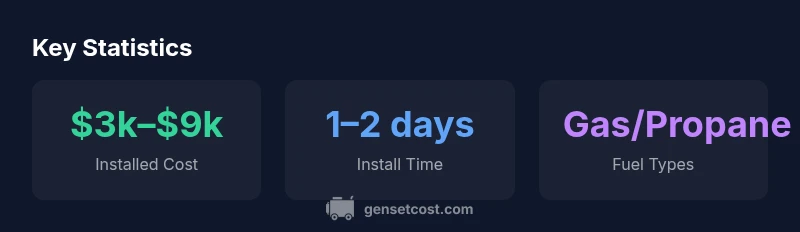
| Installed cost (generator + install) | $3,000–$9,000 | Depends on transfer switch and permits |
| Install time | 1–2 days | Site and permitting dependent |
People Also Ask
What is the typical price range for an Onan 4000 generator installation?
Prices vary by region and project scope. A formal quote should itemize generator, transfer switch, wiring, permits, and pad work. Expect wide ranges; consult multiple installers for apples-to-apples comparisons.
Prices vary by region and scope; get multiple quotes for an apples-to-apples comparison.
Which fuel types are compatible with the Onan 4000 generator?
Gas and propane are common options; confirm compatibility with the specific Onan 4000 model and your local fuel supply.
Gas and propane are the typical options.
How long does installation usually take?
Most installations take about 1–2 days, depending on site readiness, permits, and electrical complexity.
Typically 1 to 2 days.
Do I need permits or HOA approvals?
Yes, permits are typically required; HOA rules vary by location and building codes.
Yes, check local permits and HOA rules.
Can I finance a generator project?
Financing options exist; terms vary by lender and installer offers. Compare total cost of ownership.
There are financing options available.
What maintenance schedule is recommended?
Follow the manufacturer’s schedule, typically including annual oil changes, filter replacements, and checks of critical components.
Follow the manufacturer’s maintenance schedule.
“Sizing and planning are the most cost-effective steps in building a reliable backup power system. A properly installed unit pays back through reliability and lower fuel use.”
Key Takeaways
- Size precisely with a complete load calculation.
- Account for installation, permits, and fuel in total cost.
- Plan for future expansion to avoid early upgrades.
- Get multiple quotes and compare warranties.