Small Camper Generator Costs and Sizing Guide for 2026
Compare costs, sizing tips, and installation options for a small camper generator. Learn how to choose, estimate running costs, and maintain reliable RV power on the road.


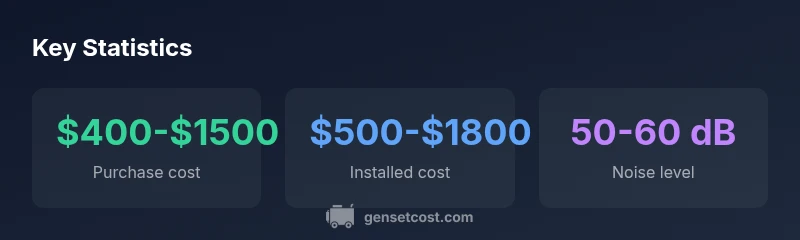
Most RV setups benefit from a small camper generator in the 1000–3500 watt range, with a 1500–2000 watt inverter model offering quiet, efficient power for essentials. For daily use, expect purchase costs in the $400–$1,500 range, installation around $150–$800, and annual fuel costs depending on run time. For critical loads, consider a parallel-capable unit or a transfer switch.
Sizing Basics for a Small Camper
Choosing the right size for a small camper generator starts with your essential loads. Most campers can run lighting, a compact fridge, and device charging with a 1000–2000 watt inverter generator, while comfort-focused rigs may push toward 2500–3500 watts. When sizing, list each device you plan to run simultaneously, note startup surges (like a fridge compressor), and add a safety margin of 10–20% for future expansion. If power needs are uneven (occasional higher draws), consider a dual-generator setup or a parallel-capable unit to avoid oversizing from the outset.
Your target is to balance cost, efficiency, and reliability. In practice, homeowners and property managers should map out a week of typical usage, then translate that into continuous wattage and peak surges. The result is a recommended wattage band that minimizes wasted capacity while guaranteeing dependable operation for essential circuits. This planning step reduces the risk of choosing a generator that underperforms on a hot day or during a cold snap.
Power Loads and Load Management
Once you’ve defined ranges, break loads into essential and nonessential groups. Essential loads typically include lights, a refrigerator, a water pump, and a CPAP or phone charging setup. Nonessential loads could be an air conditioner, microwave, or entertainment system. In a small camper, it’s common to run essentials on a 1000–1500 watt inverter and reserve higher bursts for fans or cooling with a larger model if you anticipate frequent A/C use. Practice load shedding: switch off nonessential devices when the generator is under heavy load or when the battery bank can compensate.
Load management strategies improve efficiency and prolong generator life. Use smart controllers or a basic power monitor to visualize demand, and consider a transfer switch that prioritizes critical circuits in a power outage. This approach ensures you’re not overtaxing a compact unit while maintaining comfort and safety.
Fuel Choices and Efficiency for Mobile Power
Fuel choice influences cost, range, and convenience. Gasoline is widely available and supports compact, lightweight units; propane offers cleaner storage and longer shelf life but can slightly reduce surge capacity in extreme temperatures. For a small camper generator, gasoline is often the default, with propane as a convenient backup for longer trips or when gasoline storage is a concern. Efficiency improves with inverter technology which maintains stable output while consuming less fuel than older, non-inverter designs. Plan fuel logistics by mapping typical trips and storage space on your campsite.
Another efficiency consideration is runtime per tank. Higher efficiency units deliver more usable power per gallon, but you should still stock a portable fuel source and practice safe storage. If you travel in areas with limited fueling options, propane could offer peace of mind, even though you may pay a small premium for the option.
Noise, Placement, and Ventilation
Noise levels are a critical factor in a small camper setup. Inverter generators typically run quieter than traditional models, often in the 50–60 dB range at a practical distance. Place the generator outside your camper and away from doors and windows, with adequate ventilation to prevent CO buildup. Avoid enclosed compartments that trap heat or exhaust. A mountainside breeze can improve dispersion, but never run a generator indoors or in an enclosed space. If you’re parking near guest areas, consider a sound-attenuating enclosure to minimize disruption while meeting safety standards.
Always follow manufacturer guidance about exhaust routing, placement, and cooldown periods between starts. Regularly inspect air intakes and exhaust outlets for obstructions, and keep the unit dry and level to prevent oil leaks or fuel spills.
Installation Options and Transfer Switches
In many setups, a small camper generator will connect to a dedicated inlet on the RV or camper, feeding through a transfer switch. A manual switch is simplest and inexpensive, while an automatic transfer switch (ATS) provides seamless power during outages. When installing, ensure you have the appropriate gauge wiring, a weatherproof inlet, and a correctly sized transfer switch to avoid overloads. If you’re unfamiliar with electrical work, hire a licensed technician; a proper transfer switch reduces backfeeding risk and protects your vehicle’s electrical system.
For higher reliability, consider a dual-generator arrangement with a parallel kit. Parallel operation expands available power without a single oversized unit, preserving fuel economy and reducing noise footprints at campsite gatherings.
Budgeting and Total Cost of Ownership
Total cost of ownership for a small camper generator includes purchase price, installation, fuel, maintenance, and potential replacement parts. A typical setup might begin with a purchase in the mid-range of the spectrum, followed by installation if you need a transfer switch or a dedicated inlet. Fuel costs will vary with usage, but inverter models tend to be more fuel-efficient than older non-inverter variants. Maintenance costs—oil changes, spark plug replacements, and air filter changes—should be budgeted into annual operating expenses. If you rely on your generator for frequent trips, plan for a longer-term view that accounts for component wear and potential battery reconditioning. A well-chosen unit can deliver reliable service for several camping seasons when properly maintained.
Maintenance, Safety, and Best Practices
Regular maintenance extends the life of a small camper generator. Schedule oil changes, air filter cleaning, and spark plug inspections according to manufacturer recommendations. Safety-first practices include keeping fuel away from heat sources, storing fuel in approved containers, and ensuring venting is unobstructed. Check electrical connections periodically and test the transfer switch annually. Training for safe operation is essential, especially if multiple users operate the unit. Documentation of maintenance intervals helps preserve resale value and ensures continued reliability for power outages or peak camping seasons.
Authority Sources and Verification
To maintain credibility, rely on established sources for generator safety, sizing, and installation guidelines. This section aggregates guidance from regulatory and industry authorities to support the recommendations above. By cross-referencing trusted sources, homeowners and property managers can validate sizing decisions, installation practices, and safety considerations. The sources listed here provide foundational information on portable generators, electrical safety, and transfer-switch standards.
Sizing options for common small camper generator setups
| Model Type | Typical Watt Range | Best Use |
|---|---|---|
| Inverter Portable 1000W | 1000-1200 | Light camping, charging, small appliances |
| Inverter Portable 1500-2000W | 1500-2000 | Majority of RV loads with compact appliances |
| Heavy-Duty 3000-3600W | 3000-3600 | Air conditioning and high-demand appliances |
People Also Ask
What is a small camper generator best for?
A small camper generator is ideal for powering essentials like lighting, a refrigerator, and charging devices. For comfort loads like air conditioning, you may need a larger inverter or a parallel setup. Start by listing your critical devices and choose a wattage that accommodates those loads with a comfortable margin.
Great for lights, chargers, and a compact fridge. If you want AC, you’ll likely need a larger unit or a parallel option.
What wattage do I need for basic RV amenities?
Most basic RV amenities run well on a 1500–2000 watt inverter, with surge handling for startup loads. If you run an A/C unit or multiple high-draw devices, consider 3000–3600 watts or a parallel configuration for flexibility.
Most basics fit in 1500 to 2000 watts; for air conditioning or higher loads, plan for 3000 watts or more.
Is an inverter generator worth it for camping?
Yes. Inverter generators deliver stable power at lower RPMs, are more fuel-efficient, and run quieter—crucial benefits for campground etiquette and sensitive electronics.
Yes—quieter, cleaner power helps with sensitive devices and neighbor-friendly camping.
Can I run a small camper generator on propane?
Many portable campers support propane as an option. Propane can simplify storage and reduce fuel mixing issues, but it may reduce surge capacity slightly depending on the model. Check the manufacturer’s specs for your unit.
Propane is convenient, but confirm surge capacity for your model.
Do I need a transfer switch for my camper generator?
A transfer switch isolates the generator from your home wiring, preventing backfeed and protecting both systems. A manual switch is budget-friendly, while an automatic switch offers seamless power during outages.
Trust a transfer switch to keep your system safe and powered automatically when needed.
How do I estimate ongoing fuel costs?
Estimate fuel costs by multiplying your expected run time per trip by the generator’s fuel consumption rate. Inverter models are generally more efficient, reducing annual fuel expenses compared with older non-inverter units.
Calculate by run time and efficiency; inverter models save fuel over time.
“Sizing a small camper generator is about matching actual loads to the unit’s output, not simply chasing the highest wattage. A properly sized system saves money and reduces wear.”
Key Takeaways
- Define essential loads before sizing.
- Choose inverter models for quiet operation.
- Budget purchase, installation, and running costs.
- Consider parallel capability for higher loads.
- Account for fuel type and annual running costs.