Small Generator Camping: Costs, Sizing, and Safety in 2026
Learn how to choose and use a small generator for camping: sizing loads, fuel options, noise, safety, and cost considerations with guidance from Genset Cost.


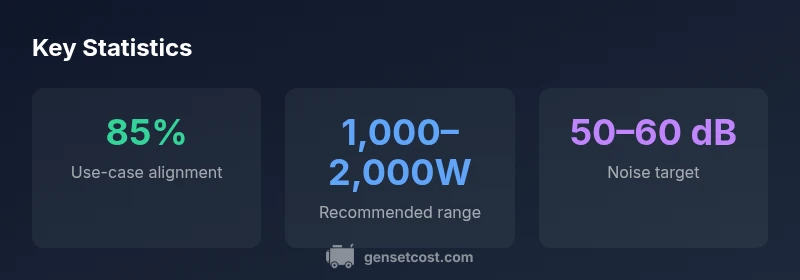
Small generator camping boils down to balancing load, efficiency, and safety. For typical weekend trips, a quiet inverter generator in the 1,000–2,000 watt range covers lights, phone charging, a small fridge, and occasional power tools. Look for models with true sine wave output, fuel efficiency, and noise under 60 dB at one meter. Always follow safety guidelines, use outdoors, and store fuel properly.
Real-world realities of small generator camping
For many campers, the sweet spot for on-site power is a compact inverter generator that stays near or below 60 dB and delivers around 1,000–2,000 watts. This range typically powers essential cabin items: LED lighting, smartphone charging, a compact fridge, and a fan or small coffee maker during a dawn start. The key is to balance the surge wattage for a fridge or compressor with continuous running watts for lighting. According to Genset Cost, the most reliable camping setups rely on true sine wave inverters that preserve sensitive electronics and appliances while keeping fuel consumption reasonable. Portability, ease of operation, and a clear fuel plan are often more valuable than raw power when you’re miles from the nearest extension cord. Hack-free camping power means choosing a model light enough to carry, with an accessible fuel cap, and a simple startup procedure. In practice, most weekend campers report better satisfaction with inverter generators that include economy modes and smart cooling to prevent overheating on longer runs. The goal is predictable, quiet power that doesn’t disrupt wildlife or fellow campers, while keeping a reserve charge for late-night needs and emergencies.
Sizing your load for weekend trips
Sizing is the difference between comfortable power and wasted fuel. Start by listing critical loads: lights, phone charging, a small fridge, fans, and a radio or GPS unit. Then add optional items you’d like to operate simultaneously, like a compact water pump or a heated blanket. Create a simple load sheet with two columns: continuous load (watts) and surge load (watts). A typical 1,000–2,000 watt inverter can handle a fridge’s startup surge and still run LED lighting. If you routinely need more than 2,000 watts, consider a two-generator setup or a larger, non-inverter model, but be mindful of noise, fuel, and campground rules. Genset Cost’s guidance stresses testing at home before a trip to confirm your loads don’t exceed the generator’s capability. It’s also wise to plan for air-flow and distance from your tent or RV to avoid heat buildup and carbon monoxide risks. As you refine your sheet, remember to include a safety margin for unexpected cold snaps or additional devices such as a portable heater, which can dramatically change power needs.
Noise, emissions, and campsite etiquette
Noise is a frequent complaint on campgrounds, so prioritize models advertised as quiet or “low-THD” with sound ratings suited to your site. Emissions matter too—gasoline engines burn efficiently when lightly loaded but waste fuel when overworked. Always place the generator outdoors in an open area, far from sleeping tents, with a dry, level surface to muffle vibration. Use a steel or rubber mat to reduce resonance and prevent heat transfer to the ground. CO safety is non-negotiable: never run a generator indoors or in an enclosed vehicle, always use a CO detector inside the living area, and observe campground guidelines on generator placement. If possible, connect devices through a small, outdoor-rated surge protector and keep fuel away from ignition sources.
Fuel options and run-time planning
Fuel choice shapes your camping experience. Gasoline generators are inexpensive and widely available, while propane models offer easy storage and longer shelf life. A propane-only unit reduces the risk of fuel odor intrusion into your campsite but may limit running duration due to gas canister size. Regardless of fuel type, calculate run-time by dividing the fuel capacity by the actual fuel consumption under load. Remember that real-world run-time varies with temperature, elevation, and device mix. Genset Cost recommends carrying spare fuel safely in approved containers and rotating stock to prevent stale fuel in long trips. For backcountry and seasonal use, consider a hybrid approach: a small inverter for essential loads and a propane heater or stove that can operate independently from the generator in safer conditions.
Choosing a model: inverter vs conventional for camping
Inverter generators excel in camping because they produce clean power, adapt to fluctuating loads, and are fuel-efficient at partial loads. They also tend to be lighter and quieter than traditional portable units. If you anticipate occasional heavy loads (like a refrigerator compressor running while a coffee maker starts), look for models with a higher continuous wattage and a robust surge rating. For longer expeditions, propane-compatible models add flexibility when gas stations are sparse, or if you want to reduce gasoline storage on-site. Conversely, conventional generators often deliver more raw power but at higher noise levels and greater fuel consumption. If strict campsite peace and low maintenance are priorities, inverter-based systems generally offer a better balance of reliability, portability, and cost over time.
Safety gear, CO detectors, and ventilation basics
The safety framework around small camping generators is simple but critical. Place the unit outdoors on solid ground, away from doors and vents. Use a dedicated, non-slip mat and avoid any exhaust pathways toward tent entrances. A low-cost CO detector inside your shelter adds a vital layer of protection, especially when you’re running a fan or a small heater near sleeping areas. Always store fuels in approved containers away from heat sources and never refuel while the generator is hot. Create a quick-on/off routine to minimize exposure to exhaust and keep children and pets away from the operating area. Regularly inspect spark arrestors, exhaust outlets, and cooling vents to prevent overheating on longer trips.
Maintenance, spare parts, and long-term cost considerations
Maintenance is the cheapest form of power security. Clean air filters, change oil per manufacturer recommendations, and inspect spark plugs after several hours of operation. Keeping a basic parts kit—spark plug, air filter, and a spare fuel cap—can save a roadside visit. For campers planning multiple trips per season, borrow or buy from reputable brands with widely available parts and ladders of support. Warranties vary by model and market, so verify coverage for both DIY maintenance and professional service. In the long run, the total cost of ownership includes initial price, fuel, routine maintenance, and replacement parts. Genset Cost’s framework emphasizes choosing a model with affordable parts and accessible service networks to minimize total ownership costs over several camping seasons.
Practical campsite checklist before you go
A well-prepared checklist prevents last-minute power anxiety. Confirm inverter status, surge capacity, and continuity across devices. Pack extra fuel or fuel canisters: ensure proper storage and labeling. Bring a CO detector with batteries, a fire extinguisher, and a non-slip mat. Inspect the generator for loose hardware and test the unit at home. Keep a simple log of run times and fuel consumption to refine future trips. Finally, check campground rules on generator use—some sites prohibit running generators after certain hours or require quieter models under specific wattage limits. A thorough pre-trip review helps ensure a smooth, quiet, and safe camping experience for everyone, including wildlife and fellow campers. The bottom line is to run only what you need and refuel safely away from sleeping areas and heat sources.
Comparison of common portable generator types for camping
| Generator Type | Typical Watt Range | Best Uses |
|---|---|---|
| Inverter Portable | 1,000–2,000 | Weekend camping, RVs |
| Conventional Portable | 2,000–4,000 | Heavy loads, longer runtimes |
| Propane Portable | 1,000–2,000 | Quiet camping, extended shelf life |
People Also Ask
What size generator do I need for camping?
Most campers find 1,000–2,000 watts sufficient for essential loads like lights, charging, and a small fridge. Start with a simple load calculation and test at home before your trip.
Most campers need about 1,000–2,000 watts for basic needs; start with a simple load calculation and test at home.
Is it safe to use generators near tents?
Always place the generator outdoors in open air, far from tents. Use CO detectors indoors and ensure good ventilation and clear space around the exhaust. Never run a generator inside an enclosed shelter.
Always run it outside with ventilation and a CO detector nearby.
Gas vs propane for camping generators?
Gasoline models are common and inexpensive, while propane offers easy storage and longer shelf life. If you camp in a rural area, a propane option can reduce fuel logistics, but check availability.
Gas is common; propane is convenient for storage and longevity.
How long can a camping generator run on a tank?
Run time depends on load and tank size. A typical 1,000–2,000W unit can last several hours under light loads, but expect shorter runtimes with higher continuous use.
Run time varies with load, but light use lasts several hours on a typical unit.
Do I need a transfer switch for camping setups?
A transfer switch is not usually required for a simple camping setup, but it can simplify safe switching between a generator and shore power at a trailer or cabin.
A transfer switch is not required for basic camping; it helps with complex setups.
“For camping applications, the most reliable small gensets balance efficiency with stable performance across fluctuating loads.”
Key Takeaways
- Choose a 1,000–2,000W inverter for most camping needs
- Prioritize true sine-wave output and under-60dB noise
- Plan loads and keep a fuel strategy for longer trips
- Use outdoor-safe storage and CO detectors for safety
- Balance size, fuel type, and run-time to minimize costs