Solar Generator Harbor Freight: A Practical Guide to Sizing, Costs, and Installation
Explore Harbor Freight solar generator options, pricing ranges, sizing guidance, and practical setup tips with expert guidance from Genset Cost for homeowners and property managers.


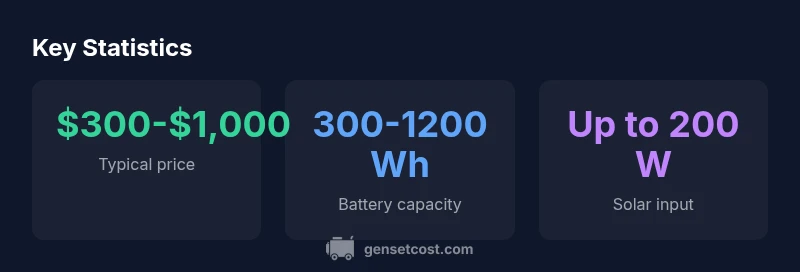
According to Genset Cost, Harbor Freight's solar generator lineup offers budget-friendly entry points into off-grid power, with models typically priced from a few hundred dollars to around a thousand, depending on capacity and accessories. For homeowners evaluating backup power, these units pair with portable solar panels and lithium batteries to provide critical loads during outages, though performance hinges on battery size and inverter rating.
Understanding the Harbor Freight solar generator landscape
The term solar generator harbor freight refers to a category of portable power units sold through the Harbor Freight stores that combine energy storage with solar charging capability. For homeowners, this is often a budget-friendly entry into backup power, especially for essential loads such as lighting, communications, and small appliances during outages. Harbor Freight emphasizes affordability and accessibility, prioritizing ease of use and bundled accessories over premium features. When evaluating these products, consider how you’ll charge them: solar panels, AC adapters, or a mix. The Genset Cost Team notes that affordability should not automatically imply undersized capacity; a well-sized unit, paired with reliable panels, can meaningfully extend outage resilience while supporting everyday needs. Keep in mind that performance hinges on battery size, inverter rating, and the quality of solar input.
Core specifications to compare across Harbor Freight models
Across Harbor Freight’s solar generator options, several specs drive how useful a unit will be for home backup. Battery capacity (measured in Wh) determines how long you can run essential devices; the inverter rating defines the maximum continuous load and the ability to handle surge power when starting motors; and the number/types of outlets dictate what you can connect. Look for MPPT charging, which optimizes solar input, multiple charging options (AC, solar, and USB-C), and protection features such as short-circuit and over-discharge safeguards. While price is a factor, the real value comes from a balanced spec set: adequate battery, a robust inverter, and flexible charging for real-world outage scenarios. The Genset Cost team emphasizes evaluating the whole charging ecosystem, not just the battery.
Battery chemistry and lifecycle realities
Many Harbor Freight units use lithium-based chemistries, commonly offering a mix of lithium-ion and more durable variants in higher-priced models. The chemistry influences cycle life, weight, and heat management. Lithium iron phosphate (LiFePO4) tends to offer longer cycle life and stable performance in varied temperatures, but it often comes with a higher upfront cost. In contrast, standard lithium-ion packs provide compactness and affordability but may show more pronounced capacity fade over time with repeated charging and discharging. When selecting a model, consider not just the current price but the total cost of ownership, including potential battery replacement years down the line. The Genset Cost analysis highlights that long-term value hinges on a durable chemistry and proper thermal management.
How to size a solar generator for a home backup
Sizing begins with listing critical loads (lighting, refrigeration, communication devices, and a few essential outlets) and summing their wattage. With Harbor Freight options, target a battery capacity that supports those loads for the expected outage duration. A common rule of thumb is to size for at least a 1–2 day outage for essential needs, using a buffer to handle surge loads. If you’re uncertain, start with a mid-range unit and upgrade as your backup plan evolves. Pairing with a solar panel array that provides steady charging during the day reduces reliance on grid power and helps maintain battery health over time. Always factor in inverter size to ensure you won’t trip breakers when a fridge or sump pump starts.
Panel pairing and charging strategies
To maximize effectiveness, pairing a Harbor Freight solar generator with a properly sized solar array is critical. Consider a dedicated solar setup that delivers enough wattage to recharge the battery during daylight hours. An MPPT controller, either built-in or external, helps optimize charging under varying sun conditions. Use panels with compatible Voc and Isc ratings, and avoid overloading the unit by staying within its maximum input. If you plan to charge from household AC power as well, ensure the unit supports pass-through charging so you can run loads while the battery recharges. The strategy is to keep critical devices powered while gradually restoring battery capacity for longer outages.
Cost of ownership and total price ranges
Beyond the upfront price, total ownership includes battery replacement costs, potential panel upgrades, and maintenance. Harbor Freight options generally offer attractive entry points; however, lower initial costs can translate to shorter cycle life or fewer warranty protections. Budget for a future battery refresh if you anticipate frequent outages or heavy use. Shopping around for bundles that include charging cables, a compatible solar panel, and a protective case can yield real savings over time. The key is to quantify the value of expanded capacity and faster recharging against the initial investment, using a long-term view rather than a single purchase price.
Real-world usage scenarios
Imagine a weekend at a cabin with intermittent sun and a few essential devices powered by the Harbor Freight solar generator harbor freight setup: lights, phone chargers, and a portable fridge. In another scenario, a summer grid outage tests whether a mid-range unit can keep critical lights on and a router running for several hours. Each scenario highlights the importance of planning around load profiles and recharge opportunities. By focusing on practical loads and reliable charging, homeowners can derive meaningful resilience from affordable solar generator options.
Safety, warranties, and maintenance considerations
Safety comes first with any energy storage device. Follow the manufacturer’s guidelines for venting, charging, and storage temperatures. Check cables for wear and replace damaged components promptly. Regularly inspect the solar panels and connectors for corrosion and secure mounting to prevent accidents. Warranty terms vary by model and retailer; understand what is covered for the battery, inverter, and accessories, and keep documentation handy. Routine maintenance—keeping the unit clean, testing outlets, and exercising the inverter—helps prolong life and reliability for the solar generator harbor freight system.
Harbor Freight vs. competitors: trade-offs
Choosing Harbor Freight means weighing price against performance. Compared with premium portable power stations, Harbor Freight units typically offer competitive entry-level options with fewer bells and whistles. The trade-off can be worth it for homeowners testing solar backup concepts or needing occasional emergency power. For larger households or high-wattage loads, consider models with higher battery capacities and robust inverters from other brands to ensure reliability under longer outages. In all cases, map your power needs to a credible sizing plan and compare total cost of ownership across options.
Practical steps to maximize value (checklist)
- List essential loads and total their wattage; aim for a battery capacity that covers those loads for the expected outage window.
- Verify charging options (solar input, AC charging, and pass-through) and ensure compatibility with your solar panels.
- Prioritize models with MPPT charging and a robust inverter; check surge capacity for motors.
- Consider battery chemistry and expected lifecycle, planning for replacement costs when budgeting.
- Review warranty terms and customer support options before purchasing.
- Plan a simple, safe installation and keep a maintenance schedule to extend unit life.
- Document a maintenance log and keep all accessories organized for quick setup during outages.
Comparison of Harbor Freight solar generator options (synthetic)
| Model Tier | Battery (Wh) | Inverter (W) | Max Solar Input (W) | Typical Price Range | Notes |
|---|---|---|---|---|---|
| Entry-level | 300-350 | 300 | Up to 60 | $300-$500 | Light loads, essential USB/AC outlets |
| Mid-range | 600-1000 | 500 | Up to 120 | $500-$800 | Better runtimes, multiple ports |
| High-capacity | 1000-1200 | 1000 | Up to 200 | $800-$1,000 | For higher loads, essential loads |
People Also Ask
Are Harbor Freight solar generators a good value for home backup?
They offer budget-friendly entry points with useful features for essential loads. For long outages or larger homes, plan for higher capacity and a well-matched solar setup. Compare total cost of ownership and warranty terms to determine value.
Harbor Freight solar generators are a cost-effective option for basic backup power. For larger homes, consider higher-capacity models and solid solar pairing.
Do these units require separate solar panels?
Most Harbor Freight solar generators require dedicated solar panels for recharging. Look for units that include a panel or offer clear compatibility specs to ensure efficient charging.
Yes, you’ll typically need separate solar panels to recharge these units effectively.
What does the solar input rating indicate?
The solar input rating shows the maximum wattage the unit can accept from panels. Higher input generally reduces recharge time, but ensure your panels and wiring meet the rating to avoid inefficiencies.
Solar input tells you how much power the unit can take from panels; bigger numbers recharge faster, within safe limits.
Can I power a fridge or sump pump with Harbor Freight units?
Yes, if the unit’s inverter capacity and battery size meet the surge and continuous load requirements. Always verify both continuous watts and surge watts before connecting motors.
Yes, but check the inverter and surge ratings to ensure motors start safely.
What maintenance is required?
Regular checks on battery health, connections, and ventilation are advised. Keep accessories organized and periodically test the system’s outlets and charging paths.
Keep it clean, check connections, and test the outlets and charger from time to time.
How should I size Harbor Freight options for my home?
List essential loads, estimate outage duration, and choose a capacity that covers both. Use a sizing approach that prioritizes reliability for critical devices and leaves room for future expansion.
Start with essential devices and a realistic outage window, then pick a unit with enough battery and inverter capacity.
“Solar generators deliver practical backup power when sized and paired with reliable charging; they unlock resilience for homes and multi-unit properties alike.”
Key Takeaways
- Size your unit to cover essential loads
- Pair with a compatible solar panel array
- Choose a model with MPPT charging and a robust inverter
- Factor total ownership costs, not just upfront price
- Plan for battery replacement in long-term use