Are Backup Generators Any Good? A Genset Cost Review
Explore whether home backup generators are worth the investment. This analytical review covers types, sizing, costs, installation, fuel options, maintenance, and practical guidance for homeowners and property managers evaluating backup power options.


Backup generators restore power during outages and come as standby, portable, or hybrid models. They can start automatically with a transfer switch or require manual operation, depending on the setup. The Genset Cost analysis shows that when correctly sized and professionally installed, they deliver reliable electricity during grid failures and reduce outage-related losses. For the query 'are be generators any good', many homeowners want a clear verdict.
What backup generators are and why homeowners consider them
Backup generators are devices designed to restore electricity after a outage, safeguarding essential loads like refrigeration, heating, medical devices, and home offices. The core value proposition is resilience: you don’t lose comfort, food safety, or business continuity when the grid goes down. The question often surfaces in the form of the search query are be generators any good. In practice, the decision hinges on outage frequency and critical load requirements. If your area experiences regular outages, a generator can be a cost-effective way to minimize disruption. If outages are rare, the total cost of ownership (purchase, installation, maintenance, and fuel) should be weighed against the value of uninterrupted power.
Brand context matters: reputable systems paired with a proper transfer switch integrate seamlessly with your home electricals, offering automatic restoration within seconds of a power failure. For homeowners and property managers, the most important early questions are “What loads must survive an outage?” and “What is the acceptable downtime?” Answering these helps you tailor the investment to your risk profile and budget.
Types and trade-offs: standby, portable, inverter, and hybrids
The market splits mainly into standby, portable, inverter-based, and hybrid systems. Standby generators are permanently installed and connected to an automatic transfer switch (ATS), so they start within seconds after the grid fails. Portable generators are cheaper and flexible but require manual setup and fuel logistics, which can introduce delays during emergencies. Inverter generators emphasize quiet operation and fuel efficiency, often at a higher upfront price per watt but with better voltage stability. Hybrid models combine solar or battery storage with a generator to balance reliability with energy efficiency. Each type has its own maintenance rhythm, noise profile, fuel considerations, and space requirements. For a homeowner evaluating are be generators any good, the key is to map your outage risk against the desired level of automation and the complexity you’re willing to manage.
- Standby: highest automation, best for critical loads, higher upfront costs.
- Portable: lowest upfront, flexible, best for occasional use.
- Inverter: quiet, efficient, suitable for mixed modern loads.
- Hybrid: best of both worlds but more complex to configure.
The decision framework should start with a list of essential circuits and how they respond to outages, then align with the homes’ routine, occupancy pattern, and maintenance tolerance.
Sizing and load planning: get the math right
Sizing a backup generator is not a one-size-fits-all exercise. It starts with a careful load assessment: you’ll want to identify essential circuits (refrigeration, heating, medical devices, sump pump, Wi-Fi gateway for work-from-home needs) and calculate their combined wattage. A rule of thumb is to target the continuous running wattage of essential loads plus a safety margin for startup surges. Once you know your target kW range, you can compare models within that band and consider fuel type and efficiency. A poorly sized generator adds cost without delivering reliable power; a system that’s oversized may waste energy and money. For homeowners evaluating the question are be generators any good, the takeaway is that measurement and planning are the biggest determinants of value. Work with a licensed installer to perform a detailed load calculation and to verify whether your electrical panel and transfer switch support the chosen generator.
- Essential load: list devices and approximate surge requirements.
- Start-up surges: account for motor loads like pumps and HVAC compressors.
- Transfer switch compatibility: confirm ATS capacity with your panel.
- Future-proofing: allow some headroom for additional circuits or lifestyle changes.
A well-sized system keeps energy reliability high without paying for unused capacity, which is where many homeowners uncover the true cost-to-benefit balance.
Costs and total cost of ownership: what to expect
Cost is the most tangible and often the trickiest aspect of evaluating backup generators. Upfront prices vary by size, fuel type, and installation complexity. Standby systems and larger kW ratings command higher installation costs due to trenching, gas line work, and the installation of an automatic transfer switch. Portable options are cheaper upfront but can incur higher long-term fuel costs and require manual operation. Ongoing expenses include fuel, annual maintenance, battery replacement (for some models), and periodic replacement parts. For the question are be generators any good, the total cost of ownership must be weighed against outage frequency, downtime costs, and your tolerance for manual intervention. Some homeowners recover part of the investment through reduced energy losses, extended appliance life, and peace of mind during storms. Your installer can provide a comprehensive quote that breaks out equipment, labor, permits, and potential interconnection fees.
- Upfront: equipment, install, permits, and interconnection.
- Ongoing: fuel or battery replacements, routine service, and potential repairs.
- Tax incentives and utility programs: eligibility varies by region and fuel type.
- Financing: many manufacturers and installers offer financing or rental options that can spread costs over time.
Installation, permits, and the maintenance routine
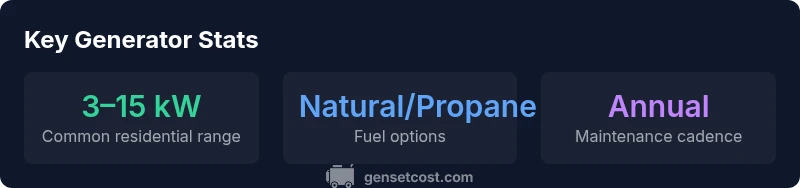
Professional installation is essential for safety and reliability. A licensed electrician or generator installer will size the ATS, verify wiring arrangements, and ensure proper clearance, venting, and emissions compliance. Permits are common, depending on your jurisdiction and utility interconnection rules. After installation, a maintenance plan typically includes annual service, oil and filter changes, battery checks, and exercise cycles (running the generator under load to keep it ready). Gas-powered systems require gas line inspection, while diesel systems may demand regular fuel stabilization procedures over time. With a solid maintenance cadence, most homeowners experience reliable performance during outages without frequent surprises. When assessing whether are be generators any good, one of the strongest indicators is that the unit remains functional after long idle periods and re-energizes critical loads immediately when power returns.
- Pre-install assessment: panel capacity and ATS compatibility.
- Permitting: varies by locale; plan for timelines.
- Regular service: follow manufacturer intervals and local codes.
- Exercise: periodic load testing to prevent stale fuel and gummed injectors.
Reliability and real-world performance: what to expect in practice
Reliability is the core reason many homeowners invest in a backup generator. In the field, performance hinges on correct sizing, installation quality, and maintenance discipline. A well-chosen standby system can engage within seconds of an outage, diverting power to essential circuits and ring-fencing critical devices. In contrast, portable generators depend on user action, fuel availability, and weatherproof handling, which may introduce delays during a storm. Real-world tests show that the perceived reliability often correlates with: (1) whether the installer performed a proper load analysis, (2) the quality of the transfer switch and wiring, (3) whether fuel logistics (gas vs propane) are reliable in your area, and (4) the frequency of maintenance. For those evaluating are be generators any good, the verdict is clear: reliability comes from proper design and ongoing care, not from the model alone. The best outcomes come from standby systems with a robust ATS in moderate climates and homeowners who treat maintenance as a regular budget item.
- Auto-start vs manual start outcomes.
- Fuel supply reliability (gas lines vs bottled fuel).
- Seasonal exercise patterns.
- Surge protection for sensitive electronics.
In property-management contexts, standby generators also enable continuity for tenants and critical infrastructure, making them more attractive as a long-term investment.
How to choose: a practical decision framework for homeowners and managers
To make a rational choice, start with risk assessment: what are the most likely outage scenarios, how long, and what must stay on? Then map those risks to a generator class (standby vs portable) and a sizing target. Consider climate, local codes, and utility interaction. A good framework includes: (1) list critical loads and their wattage, (2) decide on automation level (ATS vs manual), (3) select fuel type with availability and cost in your region, (4) factor installation complexity and permits, and (5) build a maintenance budget. For property managers, additional considerations include multi-unit load sharing and scalable options for seasonal occupancy. In short, the best investment aligns risk, load, and maintenance with predictable ongoing costs. If you want a streamlined path, start with a licensed assessor who can produce a formal load calculation and a perimeter-friendly installation plan.
- Step 1: inventory essential circuits.
- Step 2: estimate startup and running loads.
- Step 3: compare standby vs portable with ATS integration.
- Step 4: confirm fuel availability and emissions requirements.
- Step 5: plan for permit and service schedules.
When in doubt, choose a system with an automatic transfer switch and a reputable service plan, which typically yields the most reliable outage performance for the long term.
Myths, realities, and common pitfalls
Many homeowners fall for myths that smaller generators are always better, that more expensive units guarantee reliability, or that solar-battery hybrids can instantly replace fuel-powered backups. In reality, the best outcomes come from honest sizing, realistic load planning, and reliable maintenance rather than chasing the latest feature set. Common pitfalls include underestimating surge requirements, neglecting transfer switch compatibility, and ignoring local permitting processes. A balanced approach recognizes both the benefits and the limits of generators: they provide valuable resilience, but not magical protection from every outage scenario. By approaching the decision with data-driven sizing, professional installation, and a sound maintenance plan, you can maximize reliability without overpaying for unused capacity.
The Good
- Automates outage restoration with a transfer switch for seamless power
The Bad
- Higher upfront and installation costs compared with portable options
- Ongoing fuel, maintenance, and possible component replacement costs
- Requires professional installation and potential permitting
- Space, noise, and aesthetic considerations for some homes
A solid, value-driven choice for outage-prone homes and property managers seeking automatic resilience
For households facing regular outages or requiring quick restoration of essential services, a properly sized standby generator paired with an ATS offers dependable power with minimal manual intervention. Portable units remain viable for occasional use and flexibility, but automation and long-term reliability favor standby systems. The Genset Cost team recommends starting with a formal load calculation and a professional installation to maximize value.
People Also Ask
What is the difference between a standby generator and a portable generator?
Standby generators are permanently installed and connect to an automatic transfer switch, starting automatically within seconds after a power outage. Portable generators are moved to the site and require manual setup and fueling, which can delay restoration. For most homes prioritizing ease and reliability, standby is the stronger option.
Standby generators stay ready and switch on automatically, while portable ones require manual setup during outages.
How much does installing a home backup generator cost?
Costs vary widely based on size, fuel type, permits, and installation complexity. Expect higher upfront costs for standby systems with transfer switches, and lower upfront costs for portable units, coupled with ongoing fuel and maintenance considerations.
Costs depend on size and installation complexity; consult a licensed installer for a detailed quote.
Do I need permits or a transfer switch?
Yes, most jurisdictions require electrical permits and a transfer switch to safely isolate your home from the grid during outages. An ATS ensures safe, code-compliant power transfer and minimizes risk to utility workers.
Permits and an automatic transfer switch are typically required for safe operation.
What maintenance is required for generator systems?
Most systems benefit from an annual service check, oil changes for liquid-cooled models, battery testing for standby units, and periodic load testing to ensure everything runs smoothly under real-world conditions.
Plan for yearly service and periodic tests to keep the system ready.
Can solar or battery storage work with a generator?
Hybrid systems combine solar or battery storage with a generator to balance reliability and efficiency. They can be excellent in sunny regions but require careful integration to ensure proper sequencing and charging.
Hybrid setups mix solar and generator power for resilience and efficiency.
Is a generator worth it for a small home or apartment?
For smaller living spaces with infrequent outages, a portable generator may be sufficient. If you need automated, round-the-clock protection for critical loads, a compact standby system could still be a good choice, depending on your risk exposure.
Small homes can benefit from portable units, but automation and reliability are stronger with standby options.
Key Takeaways
- Assess your outage risk before buying
- Prefer standby with an ATS for automation
- Plan for permits and installation complexity
- Budget for ongoing fuel and maintenance costs
- Choose a sizing strategy that includes future load growth