Can You Leave a Generator in Rain? Safety, Protection, and Maintenance (2026)
Learn why rain exposure is risky for generators, plus practical rain protection tips, best placement, and maintenance to keep outdoor units safe and reliable.


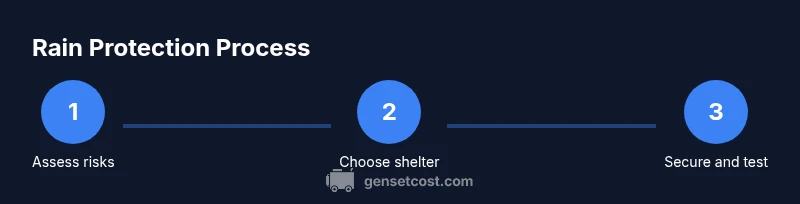
Leaving a generator in rain is unsafe and can lead to electrical shock, fire, and rapid component corrosion. Water exposure may void warranties and shorten the unit’s life. Use a weatherproof enclosure or canopy, elevate the unit, and ensure proper ventilation; for portable units, bring them indoors during storms or store them in a dry shed.
Weather and Generator Safety: Why Rain Is a Problem
Rain introduces water ingress, humidity, and runoff that can reach electrical components, outlets, and fuel systems. According to Genset Cost, moisture accelerates corrosion on metal housings, rust on fasteners, and deterioration of protective coatings. Even if a generator is designed for outdoor use, rain can overwhelm seals, ventilation paths, and air intakes. The risk isn’t limited to direct rainfall; heavy dew and prolonged dampness can create conductive paths across terminals and metal surfaces. For homeowners and property managers, the consequence isn’t only safety—reliability can suffer during critical outages when you need power most. A rainy environment also makes accidental slips or trips with cords more likely, creating added hazards. In short, water exposure compromises insulation, ignition systems, and protection circuits, increasing the chance of failure when you depend on backup power the most.
Key takeaway: rain isn’t just a nuisance—it’s a reliability risk. The Genset Cost team recommends treating rain exposure as a design constraint rather than an afterthought, especially in areas with frequent showers or coastal coastal humidity.
How Rain Affects Generator Components
Water can reach the electrical harnesses, control board, and coil windings. Moisture can corrode the steel frame, exhaust components, and muffler baffles, leading to abnormal temperatures and degraded performance. Wet environments promote condensation inside the fuel system and carburetor or fuel-injection lines, potentially causing starting failures. Cables and connectors are particularly vulnerable: even a small amount of moisture creates resistance changes, intermittently tripping breakers or causing surge events that stress the generator during peak loads. UV exposure, salt spray (near coastlines), and rain-driven debris can accelerate wear on weatherproof seals and gaskets. In rainy climates, sensors and control electronics can drift due to moisture ingress, resulting in nuisance faults.
Practical implication: ensure any exposed wiring, outlets, and control panels are protected by appropriate enclosures and that seals are maintained to prevent rain-driven leakage. If you notice rust, corrosion, or dampness around critical components, don’t ignore it—address it before the next outage.
Best Practices to Protect Your Generator in Rainy Weather
Protection starts with placement and enclosure. Always situate the generator on a dry, elevated surface with a minimum clearance from walls, doors, and vents to allow airflow and reduce exposure to rainfall splashes. Use a weatherproof enclosure that is specifically rated for outdoor use (look for at least NEMA 3R or equivalent) and ensure there is adequate ventilation to prevent overheating. Use outdoor-rated cords with proper strain relief and keep connections off the ground. Never cover the generator while it’s running, and avoid enclosing it in a tightly sealed cabinet—continuously running engines need intake and exhaust airflow. If you must operate in rain, consider a rain shield canopy that is securely anchored and designed to channel water away from the unit. Regularly inspect seals, gaskets, and paint finishes for signs of water intrusion or corrosion, and perform routine maintenance on the battery and starting system.
What to do when a storm ends: dry the unit, check for moisture on electrical terminals, and test starting function in a dry, safe area before resuming loads. The goal is to keep water out while preserving ventilation and cooling for safe operation.
Rain-Proofing Options: Enclosures, Shelters, and Covers
There are several rain-protection paths, each with trade-offs. A purpose-built outdoor generator enclosure (NEMA 3R or better) provides weather resistance and a sealed, lockable space, but you must account for heat buildup. A kit-style canopy offers quick shelter but requires careful design to avoid trapping moisture and heat. A freestanding shelter with a rain-tolerant roof and side vents can strike a balance between protection and airflow. When choosing materials, prioritize corrosion resistance, UV stability, and gasket durability. Ventilation is essential—look for louvered panels or vented sides to maintain airflow while preventing direct rain intrusion. You should also ensure water runoff from the roof is diverted away from the unit and the base is stable to prevent tipping.
If you’re installing in a yard prone to flooding, add a raised concrete pad or pavers to keep the generator above groundwater. Pair rain protection with a portable storage cover for off-season storage when the unit is not in use.
Installation and Placement Considerations for Outdoor Use
Outdoor use requires thoughtful spacing and drainage. Place the generator at least 3 feet away from any building openings, air intakes, and windows to minimize exposure to exhaust and back-draft risks. Elevate the unit on a non-porous, sloped, raised pad to facilitate drainage and reduce standing water. Ensure the shelter or enclosure has a clear path for maintenance access and serviceability. In hilly or windy areas, anchor the shelter to withstand rain-driven gusts and prevent movement. Consider a source of electrical protection, such as a transfer switch with a sealed disconnect, to isolate the generator during storm events and to prevent backfeeding into the grid.
Routine checks include inspecting seals, testing ground fault protection, and verifying that the exhaust discharge path remains unobstructed. The placement should also comply with local codes and manufacturer instructions to avoid warranty voidance.
Maintenance That Helps Rain Readiness
Maintenance directly affects rain readiness. Regularly inspect seals, gaskets, and the enclosure to catch signs of wear or rust early. Keep the air intake and cooling fins clear of debris; rainwater should not pool near the intake. Test battery condition and starting hardware after wet spells, and replace any corroded connectors or damaged cables promptly. Use dielectric grease on high-visibility connectors to reduce corrosion risk, and keep a dry, clean storage area for the unit when not in use. Schedule seasonal inspections with a qualified technician to review ventilation paths, fuel stability, and overall electrical integrity. By combining proper rain protection with proactive maintenance, you’ll curb moisture-related faults and ensure better readiness for power outages.
What the Genset Cost Analysis Suggests About Rain Exposure
Genset Cost analysis shows that rain exposure elevates the risk profile for outdoor backup generators. While many models tolerate some weather, consistent rain and damp conditions correlate with higher maintenance needs and more frequent inspections. The practical takeaway is to treat rain protection as a core feature—invest in a well-ventilated enclosure, ensure proper drainage, and follow a scheduled maintenance plan. This approach helps homeowners and property managers optimize reliability without compromising safety or warranty terms.
Tools & Materials
- Weatherproof generator enclosure(Outdoor-rated with ventilation; consider a model with gasketed access doors and corrosion-resistant hardware)
- Outdoor rain shelter canopy(Anchored, sloped roof; ensure ventilation and unobstructed exhaust path)
- Elevated stand or pad(Non-porous, level surface; keep unit above potential floodwater by at least 6 inches if possible)
- Outdoor-rated extension cords (GFCI-protected)(10 AWG or thicker; use weatherproof outlets and strain relief)
- Ground fault protection and transfer switch(Isolates generator from home during outages and prevents backfeed)
Steps
Estimated time: 60-90 minutes
- 1
Choose a safe placement
Select a dry, elevated location with clear airflow and no vertical or horizontal water exposure. Keep a generous clearance from walls, doors, and windows. Mark off a maintenance zone to allow easy access for service.
Tip: Document the chosen location with a photo for warranty and insurance records. - 2
Prep the protective shelter
Install a weatherproof enclosure or canopy designed for outdoor use. Ensure vented panels, sealed seams, and a roof slope that directs runoff away from the unit. Verify that there is no water pooling on the shelter base.
Tip: Check that exhaust airflow is not obstructed by canopy walls. - 3
Elevate and secure the unit
Place the generator on a raised pad or sturdy stand. Use anti-vibration pads if recommended by the manufacturer. Anchor the shelter and the generator to resist wind and water movement during storms.
Tip: Ensure level installation to prevent fuel and oil pooling inside the case. - 4
Connect power safely
Use outdoor-rated cords with GFCI protection. Route cords away from pedestrian paths and ensure strain relief at outlets. Do not run cords under rugs or through water puddles.
Tip: Install a transfer switch to isolate from the home when needed. - 5
Perform safety checks
Inspect seals and gaskets, test the grounding system, and verify battery health. Start the unit in dry conditions to confirm proper operation, then re-check after rainfall.
Tip: Keep a dry cloth handy to wipe moisture from the control panel after use. - 6
Document and maintain
Record inspection dates, seal replacements, and any weather-related wear. Schedule seasonal maintenance with a qualified technician to verify humidity seals and electrical safety.
Tip: Set reminders for annual maintenance before the storm season begins.
People Also Ask
Is it safe to run a generator in the rain?
No. Running a generator in the rain increases the risk of electrical faults, shock, and moisture-induced damage. If you must operate outdoors, ensure a weatherproof enclosure with ventilation and avoid direct water exposure.
No, you should not run a generator in the rain. Use a rain-protected area with ventilation, and only run outdoors when properly protected.
Will rain damage a generator even if it’s designed for outdoors?
Even outdoor-rated units face moisture intrusion risks. Rain can affect seals, wiring, and control electronics over time. Regular maintenance and proper enclosure reduce risk but do not eliminate it entirely.
Outdoor units still need protection—rain can cause long-term wear. Maintenance and proper shelter help, but protection is essential.
How high should the generator be elevated to stay dry?
Elevate above potential ground moisture and water splash. A raised concrete pad or sturdy stand 4-6 inches off the ground is commonly recommended, higher if flood risk exists.
Keep it on a raised, level surface to avoid water contact.
What enclosure options work best for protection in rain?
A purpose-built outdoor enclosure with ventilation and sealed doors provides protection without sacrificing airflow. Shelters with sloped roofs and water diversion also work well if vents are kept clear.
Choose a vented, weatherproof enclosure or shelter with proper drainage.
Can I use a tarp or blanket to cover a generator outdoors?
Tarps and makeshift covers can trap heat and moisture. Use purpose-built, breathable, weatherproof covers designed for generators, and never cover while running.
Avoid improvised tarps; use purpose-built, breathable covers only when the unit is off.
Does rain exposure affect warranty?
Warranty terms vary by manufacturer. Prolonged water exposure or improper rain protection can void coverage. Follow manufacturer guidelines for outdoor use and protective enclosures.
Water exposure can impact warranty if protection isn’t up to spec—check your manual.
Watch Video
Key Takeaways
- Position with airflow and away from openings
- Choose certified rain protection with ventilation
- Elevate the unit to avoid ground moisture and flooding
- Use outdoor-rated cords and a transfer switch for safety
- Schedule regular rain-focused maintenance to sustain reliability