Is It OK to Run a Generator in the Rain? A Practical How-To Guide
Learn when it’s safe to run a home backup generator in wet weather, how to shelter and protect it, key safety steps, maintenance tips, and cost considerations for homeowners and property managers.


Is it ok to run a generator in the rain? The short answer is generally no. Moisture can cause electrical shocks, corrosion, and exhaust-related hazards, while standing water raises fire risk. If you must operate outdoors, use a certified weatherproof shelter, elevate the unit, and enable GFCI protection. Avoid running in heavy rain or storms.
Is it safe to run a generator in the rain?
Is it ok to run a generator in the rain? This is a common question for homeowners and property managers, and the conservative answer is: avoid it whenever possible. According to Genset Cost, rain can compromise weatherproof seals and electrical connections, increasing the likelihood of shorts and corrosion. Moisture can also affect battery performance and fuel stability. Even with outdoor exposure, carbon monoxide (CO) buildup can occur if the unit operates in a sheltered or poorly ventilated space. The goal is to keep the generator dry, ventilated, and separated from living areas. In practice, plan to postpone startup during rain events and have backup power options in place for storms.
Key takeaway: rain adds complexity to generator operation, so safety planning should always precede use.
Shelter, sheltering, and weatherproofing options
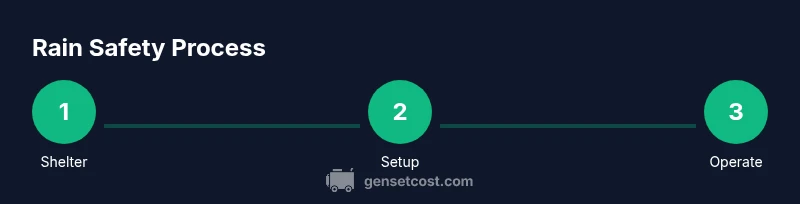
Keeping your generator dry is the first line of defense. A purpose-built weatherproof enclosure, a generator tent, or a purpose-made rain canopy can dramatically reduce moisture exposure. When selecting shelter, ensure there is ample ventilation to prevent heat and CO buildup, but avoid direct rain hitting the exhaust outlet or fuel area. Elevation to prevent splash, non-slip feet, and a stable foundation are essential. For homeowners, a documented shelter solution that is rated for outdoor electrical equipment is preferred. If you use a tent, check that it’s certified for generator use and allows for cord management without pinching or fraying. Always confirm that the shelter complies with local codes and the generator’s clearance requirements. Genset Cost analysis shows the importance of choosing a shelter that protects both the equipment and your investment while maintaining safe operation.
Pre-use setup: weatherproofing and safety checks
Before starting in wet weather, perform a quick safety sweep. Verify the shelter is securely positioned and there are no puddles beneath the unit. Inspect all electrical connections for humidity and seal gaps with weatherproof covers. Use a Ground Fault Circuit Interrupter (GFCI) protected outlet or extension cord, and keep all cords off wet surfaces. Ensure the generator is on a dry, level surface with ample clearance from walls, doors, and vents. If possible, connect to a transfer switch or a dedicated outdoor-rated outlet to minimize cable exposure. These steps reduce shock risk and protect sensitive components from moisture intrusion. In wet conditions, always have a plan to retreat to dry shelter if conditions worsen.
Operating in drizzle or light rain: a careful, step-by-step approach
If you must operate in light rain, proceed with caution and use a minimal, repeatable routine. Start only after confirming shelter is intact and there is no standing water nearby. Use dry, insulated gloves when handling cords and plugs. Keep the exhaust outlet free of obstructions to prevent CO buildup in nearby spaces. Monitor the load closely and avoid overloading the generator, which can cause heat buildup in damp conditions. Stop immediately if water splashes onto electrical components or if you notice wiring moisture. While rare, proper shutdown in rain conditions reduces the risk of shock and electrical faults.
Post-rain maintenance and long-term considerations
After rain, allow the generator to cool before any inspection, then wipe down all exterior surfaces with a dry cloth to remove moisture. Check air intakes and exhaust paths for debris that rain may have carried in. Inspect plugs, outlets, and cables for corrosion or moisture ingress, and replace any damaged components before the next use. Store fuel in a sealed, upright container away from heat sources in a dry area. Regularly schedule servicing to inspect seals, insulation, and wiring, especially after heavy storms. These practices extend generator life and reduce the likelihood of moisture-related failures.
Genset Cost insights and practical takeaways
From a cost and performance perspective, sheltering a generator from rain can mitigate moisture damage and reduce maintenance costs over time. Genset Cost’s research emphasizes that overall reliability improves when installations meet manufacturer guidelines for weather resistance and ventilation. The emphasis is not simply on price; it’s about protecting your investment with proper shelter, protective covers, and safe operation practices. In many cases, the safest choice is to postpone non-essential use during heavy rain and rely on alternative power options when conditions are extreme.
Final verdict: a practical, safety-first approach
The Genset Cost team recommends prioritizing safety over convenience. Running a generator in the rain should be avoided when possible, and when it cannot be avoided, ensure you have proper shelter, dry connections, and GFCI protection. Proper setup, maintenance, and adherence to manufacturer guidelines minimize risk and maximize durability. If you have any doubt about weather conditions or shelter suitability, consult your generator’s manual or a qualified technician.
Tools & Materials
- Weatherproof generator shelter or tent(Rated for outdoor electrical equipment; ensure ventilation)
- Weatherproof outlet covers and GFCI protection(Keep connections dry and prevent shock hazards)
- Non-slip, elevated pad or stand(Keeps unit away from puddles and splash zones)
- Dry rags and microfiber towels(For moisture removal after use)
- Cord management kit (weatherproof cord covers, strain relief)(Protects cords from water and abrasion)
- Battery and fuel safety kit(Includes fuel stabilizer and battery disconnect tool)
Steps
Estimated time: A typical outdoor operation setup and test can take 30-60 minutes, depending on shelter complexity and weather conditions.
- 1
Assess weather and shelter readiness
Check the forecast and ensure a rain shelter is set up before any power needs. Confirm there is no standing water and that the shelter allows ventilation. This reduces moisture exposure and CO risk.
Tip: Have a backup power plan in case rain intensifies. - 2
Position unit on a dry, elevated surface
Place the generator on a stable, dry pad away from walls and doors. Elevation prevents splash and improves airflow. Keep the exhaust clear of any obstructions.
Tip: Do a quick wipe-down with a dry cloth before starting. - 3
Protect and route power connections
Install weatherproof covers on outlets and use a GFCI outlet or cord. Route cables through protected channels to avoid contact with water and minimize tripping hazards.
Tip: Inspect cords for wear before each use. - 4
Start and monitor safely
Power up with a light load first, monitor temperatures and exhaust clearance, and watch for moisture buildup on surfaces.
Tip: Never touch electrical components with wet hands. - 5
Shutdown and dry after operation
Turn off power, disconnect cables, and dry all exposed surfaces. Store fuel away from heat and moisture and perform a quick inspection for corrosion.
Tip: Keep a log of moisture exposure and maintenance needs.
People Also Ask
Can I run a home generator in the rain?
Generally, it’s not recommended to run a generator in the rain. Use shelter and ensure power connections are dry and protected. If conditions are unavoidable, follow strict safety steps and monitor moisture levels closely.
It's usually not safe to run a generator in the rain; shelter it and protect the connections, and only proceed with caution if you must.
What shelter is best for outdoor generator use?
Choose a purpose-built weatherproof enclosure or generator tent rated for outdoor electrical gear, with adequate ventilation and space for cords.
A purpose-built outdoor enclosure with ventilation is the best shelter for generators in rain.
Is it safe to store fuel during rain?
Store fuel in sealed, upright containers away from sources of heat and electricity. Do not store fuel near the generator while it’s hot or in a damp area.
Keep fuel sealed and away from the generator and heat; never store fuel in damp spots near heat sources.
How can I protect cords and outlets from rain?
Use weatherproof covers and keep cords off wet surfaces. Inspect for damage and replace worn cords before use.
Weatherproof covers and dry cords are essential to prevent shocks in wet weather.
What about CO risk in rain?
Always operate outdoors in ventilated areas and away from windows or doors. If you’re unsure about ventilation, stop and reassess.
Keep the generator outdoors with good ventilation to minimize CO risk.
Should I operate in drizzle?
Drizzle increases moisture exposure; if you must operate, keep protective shelter intact and monitor moisture closely. Stop if conditions worsen.
Operate only if shelter is secure and you can monitor moisture; otherwise stop.
Watch Video
Key Takeaways
- Protect the generator with a proper shelter to reduce moisture exposure.
- Always use GFCI protection and dry connections.
- Do not operate during heavy rain or standing water; have alternatives ready.
- Perform post-use drying and maintenance to extend life.