How to Protect a Generator from Rain
A comprehensive, practical guide for homeowners and property managers on shielding home backup generators from rain, including shelter options, placement, drainage, ventilation, electrical safety, and maintenance.


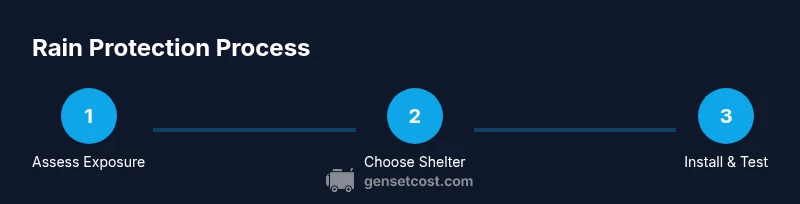
Goal: protect a generator from rain by selecting a shelter, installing it correctly, and maintaining weatherproofing. This guide covers shelter options, placement, drainage, ventilation, electrical safety, and post-storm checks. According to Genset Cost, proper rain protection reduces exposure to corrosion, short circuits, and warranty concerns. Start by assessing your site and choosing a compliant setup that fits your space and budget.
Why rain protection matters for generators
Rain exposure can accelerate corrosion on metal components, saturate electrical connections, and create slip hazards around the unit. Protecting your generator from rain also supports reliability during power outages and can help preserve warranty coverage by reducing moisture-related failures. According to Genset Cost, investing in proper rain protection is a smart part of overall generator cost planning and long-term maintenance. In this section we'll unpack the key risks and how protection mitigates them.
Assessing your generator's exposure
Before choosing a shelter, map how water flows around the unit. Note prevailing wind, roof runoff, and ground slope. Outdoor units placed under trees or near sprinklers face more splash and leaf debris. Indoor or partially covered installations still require ventilation, drainage, and safe exhaust routing. A quick site audit helps you select a shelter that minimizes direct rain while keeping access for maintenance.
Shelter options: from simple covers to full enclosures
Options range from simple weatherproof covers and shade sails to purpose-built generator enclosures with vented panels. Lightweight tarps are inexpensive but can blow away in storms and trap moisture if not designed for ventilation. A hard-shelter, or modular enclosure, provides predictable protection and can be configured with access doors, louvers, and drainage. When selecting a shelter, ensure adequate airflow to avoid overheating during operation and to prevent condensation buildup.
Ventilation and airflow: keep cooling while blocking rain
Generators produce heat and require adequate ventilation. Shelters must allow intake and exhaust airflow and prevent rain intrusion. Place louvers or vents high on the enclosure sides, and ensure exhaust pipes terminate away from air intakes. Use rain caps on vents where appropriate and consider drip edges or baffles to divert water away from openings. Always follow manufacturer clearance requirements for safe operation.
Site preparation: elevation, drainage and grounding
Position the generator on a raised, level pad to prevent water pooling around the base. A raised concrete or compacted gravel platform with a slight slope away from the unit helps drainage. Ensure the shelter is anchored to resist wind, and check that the shelter base is free from weeds or soil that can trap moisture. Grounding and proper bonding should be maintained, and electrical conduits should be sealed against moisture intrusion.
Electrical safety, seals, and weatherproofing connections
Seal all electrical entry points with weatherproof gaskets and sealant. Use weatherproof, RCD/GFCI-protected outlets and properly rated transfer switches. When wiring, keep all connections off the ground and shielded from direct rainfall. Use appropriate conduit and grommets to prevent water ingress and ensure waterproof enclosures around the control panels and battery compartments.
Design considerations for transfer switches and outlets
Install the transfer switch in a weather-protected area if possible; otherwise ensure it has a sealed enclosure and adequate clearance for operation. Place outlets in a sheltered location with sealed covers. Label circuits clearly for quick outage management. For frequent rain, a remote-start switch or automated shutoff can help during severe weather.
Maintenance, inspection, and after-storm checks
After heavy rain or storms, inspect the shelter and generator for standing water, moisture on electrical components, and corrosion. Clean vents to prevent blockages and re-check drainage around the pad. Schedule routine maintenance with a licensed technician to address seals, gaskets, and generator unit health. Document any weather-related issues and repairs for warranty purposes.
Budgeting, long-term value, and planning ahead
Investing in rain protection should be viewed as a long-term cost-saver: while initial investments vary, a well-protected generator reduces weather-related service calls and extends the life of components. Compare DIY cover solutions with professionally installed shelters, factoring in installation, permits, and potential code requirements. Plan for periodic upgrades or replacements as your property size, climate, and generator capacity change.
Tools & Materials
- Weatherproof shelter/enclosure(Choose a model with ventilation and access doors.)
- Raised concrete pad or level platform(Sloped slightly away from structures to encourage drainage.)
- Weatherproof conduit seals and gaskets(Seal all cable entries against moisture.)
- Grommets and cable glands(Keep cables protected and separated.)
- Vent panels or louvers(Allow air intake/exhaust without direct rain.)
- Drip-edge rain diversion or splash guards(Optional in heavy rainfall areas.)
- Grounding equipment(Maintain safe electrical bonding.)
- Level and measuring tools(Ensure shelter and pad are level.)
- Safety gear (gloves, goggles)(Personal protection during installation.)
- Sealant/caulk rated for exterior use(Seal joints and penetration points.)
Steps
Estimated time: 2-6 hours
- 1
Assess the site and define requirements
Walk the footprint where the generator sits. Note exposure to rain, wind, and runoff paths. Record power needs, existing clearances, and accessibility for future maintenance to determine the shelter type and size.
Tip: Document measurements and sketch a quick layout before buying parts. - 2
Check local codes and permits
Consult local building and electrical codes to ensure the shelter choice complies with setbacks, ventilation requirements, and transfer switch installations. Obtain any necessary permits before starting work.
Tip: Verify requirements for outdoor installations in your municipality. - 3
Prepare the installation area
Clear debris, level the ground, and mark anchor points. Ensure drainage paths are unobstructed and that the space allows for safe maintenance access.
Tip: Remove nearby plants or objects that could trap moisture or debris. - 4
Install the shelter or cover
Position the enclosure or shelter over the generator, secure it to the pad or concrete, and verify access doors line up with your service path. Ensure there is adequate clearance for cooling.
Tip: Leave a small gap for air movement and avoid tight-fitting enclosures. - 5
Set up ventilation and exhaust routing
Install louvers or vents in appropriate locations. Route exhaust away from air intakes and use drip edges to prevent water intrusion.
Tip: Avoid placing vents directly above water-prone areas. - 6
Weatherproof electrical connections
Seal all entry points, secure conduits, and ensure outlets and transfer switches are rated for outdoor use. Keep cables off the ground and protected from rain exposure.
Tip: Test seals with a light spray from a hose after installation (only if manufacturer permits). - 7
Test run and verify rain protection
Start the generator in dry conditions and observe shielded areas for leaks, condensation, or airflow issues. Confirm that ventilation remains unobstructed during operation.
Tip: Run for 10-15 minutes to confirm proper airflow and cooling. - 8
Establish maintenance routine
Create a schedule for seasonal inspections, vent cleaning, and drainage checks. Record any weather-related issues and repairs for warranty traceability.
Tip: Set reminders for pre-storm checks and post-storm inspections.
People Also Ask
Do rain covers void warranties and must I shelter a generator under a roof?
Warranty terms vary by manufacturer. Always review your unit’s manual and the shelter’s ventilation and clearance requirements. If in doubt, consult the installer or the manufacturer to avoid warranty issues.
Warranty terms vary by manufacturer; check manuals and consult the installer to avoid issues.
Is it safe to store a generator indoors to protect it from rain?
Storing a generator indoors is dangerous due to carbon monoxide buildup. Always operate outdoors in a well-ventilated, open area away from doors and windows.
Never run a generator indoors; operate it outdoors in a well-ventilated area.
Can I use a simple tarp or DIY cover for rain protection?
A tarp can offer basic protection, but it must not block vents or exhaust and should be secured to withstand wind. Prefer purpose-built, ventilated enclosures for reliable protection.
A tarp is marginally protective but ensure ventilation and wind resistance; consider a proper enclosure for reliability.
How do I vent a sheltered generator without letting rain in?
Use strategically placed vents with rain guards and drip edges, ensuring they are above the water line and away from openings. Regularly inspect for water intrusion.
Vent with guards and drip edges; keep openings above potential splash zones.
What maintenance should I perform after a heavy rain?
Check for standing water, moisture on electrical components, and corrosion. Clean vents, re-seal joints if needed, and run a quick test to confirm functional protection.
Inspect for water around the unit and test operation after rain.
Watch Video
Key Takeaways
- Assess exposure and plan shelter before buying parts
- Ensure ventilation and clearances meet safety guidelines
- Elevate the unit and manage drainage to keep water away
- Schedule regular maintenance and post-storm checks