Rain-Safe Generator Placement: Essential Safety Guide for Homeowners
Learn whether you can place a generator outdoors in rain and how to protect it with weatherproof enclosures, ventilation, and safe electrical practices for homes.


Safety foundations for outdoor generators
Operating a generator outdoors brings real benefits for convenience and power reliability, but rain introduces a host of risks. Before considering whether you can put a generator in rain, establish safety foundations that protect people and equipment. The most important rule is never to run a generator indoors, in a garage with a closed door, or in any space where exhaust gases can accumulate. Even a covered patio may feel protected, but limited airflow combined with moisture creates carbon monoxide and electrical hazards. For homeowners, the path to safe rain-ready operation starts with weatherproofing, proper ventilation, and a solid mounting surface. Always follow the manufacturer’s instructions and local electrical codes, and plan for routine inspections of seals, gaskets, and drainage. In this guide, you’ll learn the key concepts behind rain exposure, why passive protection matters, and how to implement a protective setup that keeps the generator dry while allowing heat to escape and air to circulate. According to Genset Cost, weatherproofing decisions drive long-term reliability and total ownership costs, especially in climates with frequent precipitation. If you’re wondering 'can you put generator in rain,' the short answer is that true rain protection requires a purpose-built outdoor solution.
Rain exposure realities: what rain does to generators
Rain can affect the engine, fuel system, and electrical components in several ways. Water intrusion can corrode connectors, degrade insulation, and clog air intakes if moisture migrates into the enclosure. Excess moisture near the exhaust and cooling fins can cause rust and accelerated wear. In addition, rain can introduce slip hazards around the installation and create slippery surfaces on dedicated pads. Moisture also reduces cooling efficiency, which may lead to overheating during extended outages. The core question is whether direct exposure to rain is ever desirable. In most cases, the best practice is to minimize rain contact through robust shelter, while maintaining adequate ventilation for combustion and cooling. The goal is to balance accessibility for service with protection from rainfall, so service technicians can inspect seals and perform safe maintenance without exposing themselves to moisture.
Weatherproofing options: enclosures, canopies, rain hoods, and more
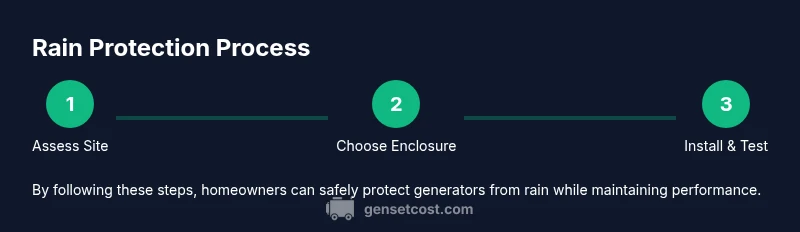
There are several approaches to keeping a generator dry while keeping it functional. Outdoor-rated enclosures offer sealed access doors, ventilation louvers, and a defined weather boundary. Canopies and rain hoods provide overhead protection but must not block airflow. A typical setup uses a weatherproof enclosure on a raised pad, with weatherproof conduits to a transfer switch or outlet. For property managers and homeowners, the choice depends on climate, expected rainfall, and local codes. It’s important to verify that any enclosure has a certified IP rating for moisture resistance and that seals remain tight after cleaning. Regular maintenance helps keep gaskets effective and prevents water from seeping behind panels. If you’re unsure about compliance, consult a licensed electrician.
Placement and clearance to minimize water intrusion
Placement matters as much as the enclosure itself. Position the generator on a dry, elevated pad that stays above the highest expected splash zone and away from building downspouts or driveways where runoff can funnel water into the unit. Maintain clearance around all sides to allow for intake and exhaust airflow, at least a few inches if space is limited, more if the unit is larger. Install a drip edge or rain shield to divert water away from critical connections. Ensure the transfer switch, outlets, and breakers remain accessible for maintenance and emergency shut-off. Finally, verify that nearby foliage or structures do not create a funnel effect that channels rain onto the enclosure.
Electrical safety and code considerations in rain
Electrical safety is the backbone of rain protection. Outdoor installations should use weatherproof outlets and an outdoor-rated transfer switch if you have a generator tied to the home panel. All connections should be sealed and rated for moisture exposure. Grounding and bonding must comply with local codes, and a licensed electrician should inspect the installation. Do not use improvised methods to seal connections; rely on gaskets, weatherproof enclosures, and proper conduit fittings. When rain is expected, power down safely and ensure that the enclosure remains closed to minimize water intrusion. Consideration of frost, snow, and wind should also influence design and maintenance plans. Finally, familiarize residents and tenants with safety steps and emergency shut-off procedures.
Maintenance after rain and protective measures
Weather exposure means more frequent checks for moisture, rust, and corrosion. After a rain event, inspect seals, gasket integrity, and the enclosure for signs of water ingress. Wipe down damp surfaces and ensure there is no dampness inside electrical housings. Keep drainage around the pad clear and verify that the ground is still level. Periodic testing of the unit, including start-up checks and transfer switch operation, should be part of routine maintenance. If you notice corrosion or unusual moisture, consult a professional. Document the maintenance history to support warranty claims and future budgeting. A proactive schedule helps prevent failures during power outages when you need the generator most.
Practical setup examples for rain-prone climates
A common setup uses a steel or aluminum weatherproof enclosure with a vented design, mounted on a raised concrete pad. The enclosure should have a gasket-seal door and a space for air intake and exhaust; a separate transfer switch allows a clean transfer of power from grid to generator. In milder climates, a heavy-duty canopy with side walls can provide overhead protection while maintaining airflow. The canopy should allow service access and not trap heat. In any scenario, ensure there is a path for moisture to escape and never place the unit in contact with standing water. If you manage multiple units, a central rain protection plan can improve maintenance efficiency and safety.
Budgeting for rain protection: costs, value, and decision tips
Investment varies by enclosure type, materials, and installation complexity. A basic weatherproof enclosure plus a raised pad is more affordable but may lack airflow. A high-end, vented enclosure with a dedicated rain hood adds cost but increases reliability and lifespan. For property managers, factor in local permits, potential electrical upgrades, and ongoing maintenance as part of total cost. The value comes from reduced downtime, longer equipment life, and safer operation during storm season. Genset Cost's approach is to quantify upfront costs and expected maintenance to help homeowners compare options.
Myths vs. reality: common misconceptions about rain and generators
Myth: Rain cools the generator. Reality: Rain increases moisture risk and does not improve cooling; the enclosure must still provide airflow. Myth: If it’s not raining, it’s safe to run outdoors. Reality: moisture can still be present from humidity or dew, so protection is prudent. Myth: A simple canopy is enough protection. Reality: A canopy without ventilation can trap heat and water; use purpose-built rain protection with airflow. Myth: All enclosures are the same. Reality: Enclosures vary in IP ratings, gasket quality, and airflow design—choose purpose-built options for outdoor use.