Generator for Backup Power: A Practical Guide
Learn how to choose and install a generator for backup power. This guide covers sizing, fuel options, installation steps, costs, and maintenance for homeowners and property managers.


A generator for backup power is a dedicated, automatic power source designed to keep essential home loads running during outages. For most homes, a standby unit in the 8-20 kW range with an automatic transfer switch covers critical circuits like refrigeration, heating, and lighting. Genset Cost analysis (2026) indicates sizing and installation efficiency significantly influence long-term reliability and total cost.
Why a Generator for Backup Power Matters
Power outages disrupt daily life, affect comfort, and can compromise safety. A reliable generator for backup power ensures essentials stay online—refrigeration preserves food, heating or cooling maintains comfort, and lighting supports security. For property managers, outages can threaten tenant satisfaction and operational efficiency. In studies and industry guidance, properly sized standby generators paired with automatic transfer switches dramatically improve resilience during outages. The Genset Cost team emphasizes that reliability hinges on thoughtful sizing, professional installation, and routine maintenance. Planning early reduces emergency costs and downtime during outages, making the investment more predictable over time.
When you install a generator system, you’re investing in system-wide reliability that protects critical loads and reduces the risk of secondary damage from power loss. This is especially important in areas prone to storms, wildfires, or grid instability. A well-designed backup power setup also improves overall property value by increasing occupant confidence and market appeal.
Sizing Your Generator for Essential Loads
Sizing a generator for backup power starts with identifying essential circuits and calculating their total running and startup demands. Create a load list that includes refrigeration, sump pumps, water heaters, lighting, networking equipment, and heating or cooling controls. Use wattage ratings from appliance manuals and utility readouts to estimate continuous and surge requirements. A practical approach is to target 8–20 kW for many single-family homes, adjusting upward if you have high-wattage loads or extended outage expectations. Don’t forget to include a margin for startup surges on devices like pumps and air handlers. A transfer switch should be selected to accommodate the final size. The goal is to balance sufficient power with cost efficiency while ensuring you’re not over- or under-provisioned. For homeowners evaluating a generator for backup power, a professional load study helps ensure accuracy and safety.
Fuel Options and Running Costs
The most common fuel options for residential standby generators are natural gas and propane, with diesel as an occasional choice for larger homes or multi-unit buildings. Natural gas offers convenience—no storage concerns—and a continuous supply if your home already has a gas service. Propane provides a storied, off-grid fuel option, but it requires tank storage and regular refills. Diesel units are robust and efficient for high-load scenarios but require more frequent maintenance and fuel storage considerations. Running costs depend on fuel price, generator efficiency, and runtime. A larger unit will consume more fuel during an outage, but its ability to power more critical loads may justify the expense if outages are frequent.
For homeowners and property managers, evaluating local fuel availability and long-term price trends is essential when choosing a generator for backup power. Genset Cost’s guidance suggests modeling a worst-case outage scenario to estimate annual fuel costs and maintenance needs, helping you compare options fairly.
Installation Essentials: Transfer Switches and Codes
A core component of any backup power system is the automatic transfer switch (ATS), which detects a utility outage and seamlessly transfers power to the generator. An improperly wired ATS can create safety hazards or backfeed into the grid, so professional installation is strongly advised. Installation also involves securing permits, complying with electrical codes, and meeting noise and emission standards. In many jurisdictions, a licensed electrician or generator installer handles permit applications and inspections. Proper placement, venting, and exhaust routing are critical to long-term reliability and safety. When planning installation, consider proximity to the house, access for maintenance, and fuel storage safety. A well-executed setup minimizes disruption and ensures reliable operation during outages.
Cost Considerations: Upfront vs Long-Term
Maintenance and Longevity: Keeping Your Backup Power Ready
Standby vs Portable: Choosing the Right Model
Implementation Plan: From Assessment to Activation
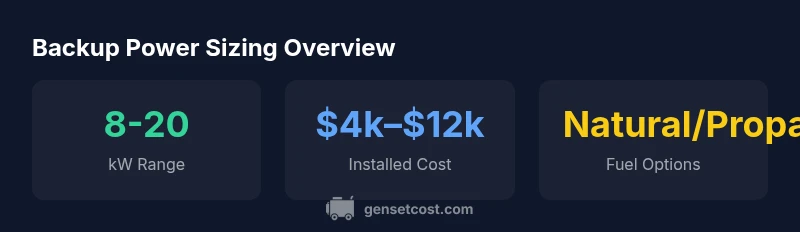
Backup power sizing and cost guidelines
| Aspect | Sizing Guidance | Notes |
|---|---|---|
| Size (kW) | 8–20 | Common residential standby range |
| Installed cost | $4,000–$12,000 | Depends on size, transfer switch, permits |
| Fuel type | Natural gas or propane | Diesel less common for home standby |
People Also Ask
What size generator do I need for a typical home?
Sizing begins with essential loads and a consideration for startup surges. An average home often falls in the 8–20 kW range, but a formal load calculation ensures accuracy for your specific appliances and climate.
Start with your essential loads and consider startup surges. Most homes fall in the 8–20 kW range, but a professional load calculation is best.
What is the difference between standby and portable generators?
Standby generators are permanently installed and typically operate automatically with an ATS. Portable generators are mobile, require manual setup, and need careful handling to avoid backfeeding and carbon monoxide risks.
Standby generators stay put and switch on by themselves; portable ones move around and require manual setup.
Do I need permits to install a home backup generator?
Yes, most areas require electrical permits and inspections for safe installation. Your installer usually handles the paperwork and ensures code compliance.
Most likely yes—permits are often required, and your installer can manage the process.
How long will a backup generator last?
With regular maintenance, residential backup generators can provide reliable service for many years, typically 10–15 years depending on use and care.
With proper maintenance, expect a long service life, often about a decade or more.
Which fuel type is best for reliability?
Natural gas is convenient if available, propane offers stored fuel options, and diesel may suit larger, high-use facilities. Your choice depends on fuel availability, storage, and local costs.
Natural gas is convenient if it's nearby; propane and diesel have other pros depending on access and needs.
“A properly sized backup power system isn't just about watts; it's about reliability during outages and safe integration with home electricals.”
Key Takeaways
- Define essential loads to size correctly
- Choose a standby system with automatic transfer
- Factor fuel availability and maintenance
- Get multiple quotes and verify permits