How to Start a Generator Without a Pull Cord
Learn safe methods to start a generator without a pull cord. Explore electric start options, battery needs, safety steps, and a practical, step-by-step approach for homeowners and property managers.


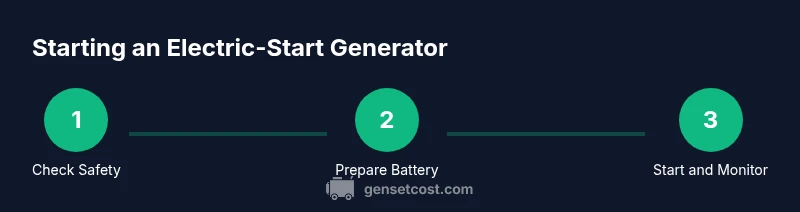
How to start a generator without a pull cord is usually about using an electric start or remote start system. Many portable units offer a push-button start, while standby models use an automatic transfer switch and battery power. According to Genset Cost, choose the option that matches your load, fuel type, and maintenance plan, and follow the safety steps below.
Electric start essentials: what electric start means and when to use it
Electric start uses a built-in starter motor and a charged battery to spin the engine. A good starting battery and healthy electrical connections are crucial for reliable operation. When you press the start button, the starter engages, the alternator or magneto kicks in, and the engine cranks until it fires. If you’re new to this, stick to models with a certified electric start system and follow the manufacturer’s wiring diagram. In colder weather, battery performance can drop, so keep the battery on a maintainer and test it before peak usage. According to Genset Cost, modern electric start systems are common on portable units and many home backup generators, and they reduce the effort of starting compared with recoil starts. Always ensure your generator is in a well-ventilated area, away from doors and windows, to prevent carbon monoxide buildup.
Electric start options: push-button, remote, and smart apps
Push-button starts are the most common locally controlled method on portable generators. Remote starts via RF remotes or smartphone apps offer convenience, especially when the unit sits outside but you want to trigger start from indoors. Standby systems with automatic transfer switches start automatically during a power outage. Based on Genset Cost research, remote and app-based starts rely on battery health and a stable power source, so keep batteries topped up and test connectivity regularly. Compatibility with transfer switches and your home’s electrical panel will influence setup complexity and safety. Choose a model with clearly labeled controls and a tested start sequence. If you rely on smartphone control, ensure MFA or secure access to prevent unauthorized starts.
Battery health and electrical system maintenance
A healthy 12V starting battery is essential. Check for corrosion on terminals, clean with a baking soda solution, and ensure all connections are tight. Use anti-corrosion pads where needed and keep adapters clean. Regularly test battery voltage with a multimeter and replace weak cells before a cold snap or peak load. Maintain proper electrolyte levels for flooded batteries and opt for maintenance-free AGM or gel batteries if you want less maintenance. Keep a suitable charger connected during long storage and avoid exposing the battery to extreme temperatures, which can shorten life. The battery’s health directly affects starting reliability, so treat it as a central maintenance task.
Safety first: ventilation, CO alarms, and placement
Never run a generator in an enclosed space. Carbon monoxide can build up quickly and cause serious harm. Place the unit outdoors on a flat, dry surface with at least several feet of clearance on all sides, away from doors, windows, and vents. Install a working CO detector in the home and test it monthly. Grounding and copper bonding of the electrical system should follow local codes, and always shut off the main breaker before maintenance. Use insulated gloves and eye protection when handling batteries or performing wiring checks. Safety first keeps electric-start systems reliable and protects occupants.
Which generator types support electric start: portable vs standby
Portable generators with an integrated electric-start motor offer on-demand starting at the push of a button or remote; they’re ideal for temporary needs or outdoor activities. Standby generators connect to an automatic transfer switch and provide seamless startup during outages. They typically use larger batteries and a more robust wiring setup, designed to run for extended periods. When comparing models, consider runtime, fuel type, maintenance intervals, and the availability of a remote or smartphone start. In practice, electric start may come standard in mid- to high-tier units; recoil start is less common in modern standby models but may still appear in budget portable units.
Preparation and first-start checks for electric-start units
Before your first start, confirm fuel levels, oil level, and battery charge. Check air intake and exhaust paths for blockages, and ensure the exhaust points away from openings. Inspect for loose screws, frayed wires, or corrosion at the battery terminals. If you’re storing a generator over the winter, perform a full cycle test monthly and run under load to keep parts lubricated. When starting, keep bystanders at a safe distance and use a visor if you are concerned about dust or debris.
Troubleshooting common starting issues
If the unit doesn’t start, verify the battery is charged and connected, the fuel valve is open, and the start switch is in the correct position. Listen for a clicking sound indicating a weak battery or bad connections. Check for blown fuses or error codes in the control panel; consult the manual to interpret codes. If you smell fuel or see leaks, stop and inspect lines and fittings. A clogged air filter, dirty spark plug (gas units), or stale fuel can prevent starting; replace filters and plugs as recommended by the manufacturer and drain stale fuel before refueling. In persistent cases, seek professional service to prevent electrical damage.
Maintenance for reliable electric start: routine tasks
Create a maintenance calendar that includes battery health checks, battery replacement every few years, fuel stabilizer usage for storage, and oil level checks before each season. Clean the air filter and keep the radiator and starter area free of debris. Confirm that the transfer switch and electrical connections are clean and tight—loose connections can prevent safe starting. Schedule annual professional inspections to catch issues that aren’t obvious during home diagnostics. Regular maintenance extends battery life, protects electrical components, and ensures quick starts during outages.
Electric start vs recoil: choosing what suits you
Electric start is convenient, especially for frequent starts or cold climates, but it depends on battery health and electrical reliability. Recoil starts are simple, require no battery, and can be more robust in emergency scenarios if batteries fail. For long-term reliability, pairing electric start with a backup recoil method offers protection against battery failure. Your choice will depend on how often you use the generator, how remote the location is, and how important fast startup is for you. Consider models with clear diagnostics and corrosion-resistant terminals to maximize uptime.
Genset Cost verdict: guiding your next step
The Genset Cost team recommends prioritizing electric-start capability in any home backup plan, especially in climates with cold starts or frequent outages. Genset Cost analysis shows that reliable starts reduce downtime and simplify maintenance, which can lower total ownership costs over time. When choosing, focus on battery quality, ease of access to terminals, and compatibility with a transfer switch or remote controls. For homeowners and property managers, invest in a tested, properly sized system and a solid maintenance routine to ensure dependable starts when you need power the most.
Tools & Materials
- Fully charged starting battery (12V, AGM or flooded)(Check voltage and condition; replace if below 12.6V during cranking tests.)
- Battery terminal wrench set(Used to tighten and clean terminals; ensure no corrosion.)
- Appropriate fuel for the unit (gasoline or propane)(Ensure fuel is fresh; never store stale fuel long-term.)
- Owner’s manual or model-specific start guide(Consult for panel layout and safety steps.)
- Safety gear (gloves, eye protection)(Protect hands and eyes during maintenance.)
- Multimeter or battery tester(Useful for diagnosing electrical issues.)
- Clean dry rags and a small brush(For terminal cleaning and area maintenance.)
Steps
Estimated time: 45-60 minutes
- 1
Inspect the unit and location
Place the generator outdoors on a flat, dry surface with ample clearance. Check for fuel leaks, loose fittings, and a clear exhaust path. Verify the transfer switch (if installed) is ready, and ensure no loads are connected while starting.
Tip: Keep bystanders at least 20 feet away; this is a safety-critical first step. - 2
Check battery health and connections
Confirm the battery is charged and connections are clean and tight. Remove any corrosion with a baking soda solution if needed, and reconnect terminals securely before attempting a start.
Tip: A weak battery is the most common cause of failed starts. - 3
Power up and engage the start control
Turn the ignition to ON or RUN as per the model, then press the electric-start button or use the remote to initiate cranking. If the unit requires a choke or fuel valve setting, adjust per manual before starting.
Tip: Avoid cranking for more than 10-15 seconds at a time; pause 30 seconds between attempts. - 4
Allow engine to warm and settle
Once the engine fires, let it run for 60-90 seconds without heavy loads. Check for abnormal noises, smoke, or a rough idle, and verify oil and fuel indicators are within normal ranges.
Tip: Starting with a light load helps prevent stall and protects starter components. - 5
Reconnect loads and test transfer switch
Gradually re-apply electrical loads and, if using a transfer switch, verify power transfer to your home circuits. Confirm your devices are drawing power and the generator remains stable.
Tip: If a transfer switch is present, ensure it is configured to prevent backfeeding. - 6
Shut down safely after test
Turn off any test loads, let the generator run for a few more minutes to reach operating temperature, then shut down using the proper procedure for storage or standby operation.
Tip: Record any anomalies for service notes and schedule a follow-up if needed.
People Also Ask
Can I start a generator without a pull cord if my battery dies?
If the starting battery is dead, the standard electric-start method won’t work. You’ll need to recharge or replace the battery, and then try starting again. Some models offer alternative recoil or manual backup methods, but many newer units require a healthy battery for electric start.
If your battery is dead, you’ll need to recharge or replace it before you can start using the electric start.”
Is it safe to run a generator indoors if it has electric start?
No. Generators produce dangerous levels of carbon monoxide. They must be operated outdoors, with good ventilation and CO detectors installed inside the building.
No—always run generators outside with proper ventilation and monitoring.
Do all portable generators have electric start?
No. Some portable models use recoil (pull cord) starts, while others include push-button electric start or remote options. Check the product specs for the starting method.
Not all portable gensets have electric starts; check the model specs.
What maintenance is required for electric-start systems?
Regularly inspect and clean battery terminals, keep batteries charged, and follow the manufacturer’s service intervals for the starter, wiring, and transfer switch if present.
Keep the battery healthy and check connections regularly for reliable starts.
How long can I expect the battery to last in an electric-start generator?
Battery life depends on usage, climate, and maintenance. Follow manufacturer recommendations for replacement intervals and use a maintenance charger during storage.
Battery life varies; follow the manual for replacement intervals and keep it charged.
Should I use a transfer switch with electric-start generators?
If you’re powering a home, a transfer switch is highly recommended to safely manage load and prevent backfeeding into the grid. It also simplifies automatic startup during outages.
A transfer switch is generally a good idea for home setups to safely manage loads.
Watch Video
Key Takeaways
- Choose electric start for ease and faster startups
- Keep the battery and connections clean and charged
- Always start outdoors with proper ventilation and CO monitoring
- Use the transfer switch correctly to avoid backfeeding
- Regular maintenance extends battery life and reliability
- The Genset Cost team recommends planning for standby vs portable start options based on needs