How to Start a Generator for Beginners: A Step-by-Step Guide
Learn how to start a generator for beginners with a safe, practical, step-by-step approach. Safety checks, pre-start prep, and start-up tips for portable and standby models, plus maintenance reminders for long-term reliability.


This guide teaches how to start a generator safely and reliably, tailored for beginners. You’ll learn essential safety checks, pre-start prep, and practical start-up procedures for both portable and standby units, plus tips to avoid common mistakes. By following these steps, you’ll restore power confidently while minimizing risk.
Why Safety and Preparation Matter
Starting a generator is not a casual task. For homeowners and property managers, safety, proper sizing, and a clean start-up process are priorities. If you’re wondering how to start generator for beginners, the answer begins with a solid safety plan and a basic understanding of your model. According to Genset Cost, outages happen, but the risk of carbon monoxide exposure, electrical shock, and fuel spills is real if you rush or skip checks. The Genset Cost team found that the most common mistakes come from skipping fuel preps, ignoring ventilation requirements, and attempting to run a unit indoors or without a transfer switch. In this guide, you’ll learn a practical sequence that emphasizes safety, preparation, and repeatable steps so you can restore power with confidence and minimize risk. This content uses clear language, practical examples, and checklists designed for beginners and busy property managers alike. By following these steps, you’ll build a foundation for reliable power during outages without compromising safety.
Generator Types and Start Methods
Generators come in several flavors: portable, inverter, and standby. Portable units are versatile and affordable, while standby models integrate with your home’s electrical system for automatic power during outages. Start methods vary too: manual pull-start, electric start with a push button, or remote starter on some standby units. Understanding these differences helps you pick a model that fits your load needs and budget. For beginners, a simple portable or inverter with electric start is often easiest to operate. The key is to know your model’s startup procedure before you need it, so you’re not fumbling during a power outage.
Pre-Start Essentials: Fluids, Battery, and Fuel
Before you start any generator, verify essential fluids and power sources. Check the engine oil level and condition; top up if needed and ensure the oil type matches the manufacturer’s specification. Inspect the battery (for electric-start models): ensure terminals are clean and connections are solid. Confirm you have the proper fuel type and fresh fuel; if you’re storing fuel for longer periods, consider fuel stabilizer. Keep a clean fuel source and a funnel handy to avoid spills. If you’re using propane, ensure hoses and connections are in good condition with no leaks. These pre-start checks reduce the risk of hard starts or damage to the engine.
Preparing Your Space: Ventilation, Noise, and Safety
Always operate a generator outdoors in a well-ventilated area. Never run a generator inside a garage, shed, or enclosed space, even with doors open. Position the unit on a dry, level surface away from doors, windows, and vents to prevent exhaust from entering the home. Place it on a stable pad or mats to dampen vibration and avoid slipping. Use a carbon monoxide detector nearby and keep children and pets away during startup and operation. If you live in a densely populated area, consider a sound-attenuating enclosure or a unit with lower decibel ratings to reduce disturbance while maintaining safety.
The Start Procedure: A Clear, Safe Sequence
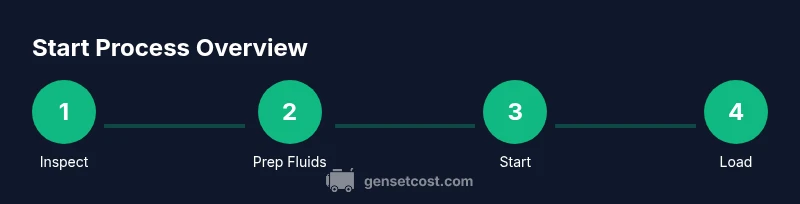
A safe start sequence typically follows these general steps: ensure the area is clear, verify fluids and fuel, connect to any transfer device if applicable, set controls as required by the model (for example, choke position on gasoline units or a digital startup setting), and start the engine. If you have an electric-start model, you’ll press the START button; with a pull-start model, you’ll pull the starter cord smoothly until the engine runs. Always follow your model’s specific manual, as procedure details vary between brands and types. After startup, perform a quick visual check for leaks, unusual noises, or excessive smoke.
Post-Start Checks and Load Management
Once the generator is running, allow it to warm up for a few minutes with no load or a light load. Use a gradual load approach: begin with essential circuits (refrigerator, lights in critical areas) and monitor voltage and sound for signs of stress. If you use a transfer switch, verify that it switches cleanly from utility to generator power. Periodically recheck oil level and fuel supply during longer runtimes. If you notice any abnormal behavior, shut down safely and investigate before continuing.
Maintenance, Storage, and Seasonal Prep
Regular maintenance extends the life of your generator and preserves reliability during outages. Change the oil according to the manufacturer’s recommendations, replace spark plugs as needed, and inspect air filters. When storing fuel, use appropriate containers and keep fuel fresh with stabilizers to avoid gum and varnish buildup. For long-term storage, run the generator under load every few weeks to keep components lubricated. Keep your owner’s manual accessible for model-specific maintenance intervals and safety notes.
Authority References and Further Reading
For consumers seeking authoritative guidance, consult official resources such as state and federal safety sites, energy administration guidelines, and university extension programs. These sources provide general safety principles and best practices for residential backup generators. While policies vary by region, the core safety tenets—outdoor operation, proper ventilation, and regular maintenance—remain constant across reputable sources.
Tools & Materials
- Owner’s manual (generator model-specific)(Keep on-site; includes start procedures and safety warnings.)
- Engine oil (as specified in manual)(Check level before first start; use the recommended grade.)
- Oil funnel(Helps prevent spills during oil fill.)
- Fuel source (gasoline or propane)(Use fresh fuel and appropriate type for your model.)
- Fuel stabilizer (optional)(Use for storage longer than 1 month.)
- Ventilated outdoor location(Never run indoors; provides safe exhaust ventilation.)
- Personal protective equipment (gloves, eye protection)(Wear safety gear when dealing with fuels.)
- Transfer switch or power inlet box (professional installation advised)(Required for seamless house connection; consult a licensed electrician.)
Steps
Estimated time: 40-60 minutes
- 1
Inspect and prep area
Review the generator’s manual, inspect the location for debris, and confirm ventilation. Ensure the surface is level and dry. This initial check prevents misfires and safety hazards.
Tip: Tip: Read the manual section on startup for model-specific cautions before you touch any controls. - 2
Check fluids and battery
Hot engines can produce inaccurate oil readings; let the unit cool. Check oil level with dipstick and top up if needed. Inspect the battery terminals for corrosion and secure loose connections.
Tip: Tip: Use a clean rag to wipe dipsticks and terminals before reading levels. - 3
Prepare fuel source
Fill the tank with the correct fuel grade, or connect the propane supply if applicable. Clear any fuel leaks and ensure you’re using approved containers and hoses.
Tip: Tip: Never mix fuel types; use only the fuel specified by the manufacturer. - 4
Connect to power inlet/transfer switch
If required, connect the generator to a transfer switch or inlet box. Ensure circuit breakers are in the OFF position before connecting. Do not power the home without proper isolation.
Tip: Tip: Have a licensed electrician install a transfer switch for safer, code-compliant operation. - 5
Set controls and choke (if needed)
On gasoline units, adjust the choke as directed. For electric-start models, verify that the on/off switch is in the correct position and that the engine is primed if your model requires it.
Tip: Tip: Avoid forcing the choke; use it only as the manual prescribes. - 6
Start the engine
Use the appropriate start method: push the electric-start button or pull the cord smoothly. If it doesn’t fire immediately, pause 10–15 seconds and retry.
Tip: Tip: Do not crank for extended periods; excessive cranking can overheat the starter. - 7
Load management
Once running, apply a light load and monitor the unit. Gradually bring essential circuits online, one by one, testing voltage and ensuring safe operation.
Tip: Tip: Start with a single, small load to confirm the generator’s stability before adding more devices. - 8
Shutdown and cooldown
When power is no longer needed, switch off any connected loads, then shut down the generator following the manual. Allow the engine to cool before moving or storing.
Tip: Tip: Store fuel properly and never refuel a hot engine.
People Also Ask
Do I need a transfer switch for a home backup generator?
A transfer switch is highly recommended to safely isolate home loads and prevent backfeeding. It simplifies operation and protects utility workers during outages.
Yes. A transfer switch is highly recommended for safe, simple operation during power outages.
Can I run a generator indoors?
No. Running a generator indoors can cause deadly carbon monoxide buildup. Always place the unit outdoors with adequate ventilation.
No, generators should always operate outdoors in a well-ventilated area.
What should I check before starting?
Check oil level, fuel quality, battery condition, and that the area is clear. Ensure the transfer switch and outlet connections are correct.
Check fluids, fuel, and connections, then make sure the area is clear before starting.
How long can I run a generator continuously?
Most units have recommended runtime and cooldown periods in the manual. Follow those guidelines and avoid extended continuous operation without breaks.
Follow the manufacturer's runtime guidelines and include cooldown periods.
What safety gear should I wear?
Wear gloves and eye protection when handling fuels and during startup. Keep children and pets away while operating.
Wear gloves and eye protection; keep kids and pets away during operation.
Is professional installation required for a standby system?
For standby systems integrated with a home, professional installation is typically required, especially for transfer switches and panel connections.
Standby systems usually require professional installation for safe operation.
Watch Video
Key Takeaways
- Understand safe outdoor operation and ventilation first.
- Follow model-specific start procedures to avoid damage.
- Test loads gradually to prevent overloads.
- Regular maintenance extends generator life.
- Use a transfer switch for safe home connection.