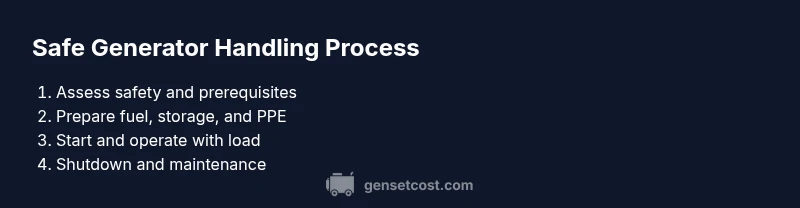
How to Handle Generator Safely: A Practical Guide for Homes
Learn how to handle a generator safely—from sizing to startup. This Genset Cost guide covers safety basics, installation tips, fuel options, and essential maintenance practices.


This guide teaches you how to handle generator safely, covering sizing, fueling, startup, operation, and maintenance. You’ll learn essential safety steps, common mistakes to avoid, and practical, home-focused tips for reliable backup power. By following these steps, homeowners and managers can reduce risk and improve readiness for outages.
Why Proper Generator Handling Matters
If you want to know how to handle generator safely, this guide explains the key reasons to invest in proper handling. A well-managed generator reduces the risk of fire, carbon monoxide exposure, and electrical shock. It also improves reliability during outages and protects the investment you’ve made in backup power. Throughout this guide you’ll see practical steps you can take today, broken down into clear actions and safety checks. The goal is to empower homeowners and property managers to protect people, property, and power continuity when the lights go out. According to Genset Cost, investing in proper handling now pays off with fewer emergencies and longer equipment life.
Understanding Your Generator: Types and Power Needs
Generators come in several flavors, with portable models, standby units, and hybrid designs serving different needs. The key concept is understanding your power requirement and the generator’s rated output. Start by listing essential loads (refrigeration, lighting, heating, sump pumps) and estimate their total wattage. Then compare that against the generator’s continuous and surge (starting) ratings. If you have a large home or multiple units, you may need a staged approach or a transfer switch installation. This knowledge lays the groundwork for safe operation and helps you avoid overloading the system, which can cause tripping or heat buildup over time.
Sizing and Load Planning: Matching Demand to Capacity
Sizing is the backbone of safe operation. The goal is to match the expected continuous load with the generator’s rated running watts, while ensuring the surge capacity handles starting currents. Begin by calculating running watts for selected appliances and lights, then add a buffer (often 10–20%) for startup spikes. Divide loads into essential versus nonessential categories to optimize during outages. For homeowners, a simple approach is to prioritize critical circuits and plan selective shutoffs to stay within capacity. Accurate sizing reduces nuisance tripping and extends life by avoiding sustained overload.
Fuel Choices and Storage Safety
Fuel type drives both performance and safety. Gasoline is common but highly flammable and prone to degradation; propane and natural gas offer cleaner storage and longer shelf life but require appropriate piping and regulators. Regardless of fuel, store only in approved containers away from living spaces, heat sources, and ignition points. Rotate stocks and use stabilizers for gasoline if the unit will sit idle for extended periods. Always unplug the generator and turn off fuel valves before refueling to prevent spills and flare-ups during maintenance or servicing.
Safe Location and Setup
Place the generator outdoors on a level, well-ventilated surface with a minimum clearance from doors, windows, and vents. The exhaust must be directed away from the building and occupied areas to prevent carbon monoxide intrusion. Elevate the unit on a sturdy pad or base to avoid water exposure. Grounding the generator and using a properly installed transfer switch or interlock kit is essential to prevent backfeeding into the electrical system. Maintain a dry, organized setup with clear paths for routine checks and emergency access.
Safe Startup, Operation, and Shutdown
Follow a consistent startup sequence: ensure the area is ventilated, confirm loads are properly connected, and verify fuel supply is stable. Start the generator before reconnecting circuits, then gradually reintroduce critical loads to avoid sudden surges. Run the unit for a few minutes with no critical loads, then monitor for unusual noises, vibrations, or overheating. When shutting down, turn off nonessential loads, allow cooling, and switch to standby power gracefully if you have a transfer switch in place. This disciplined rhythm minimizes wear and reduces the risk of dangerous events during transitions.
Electrical Safety and Transfer Switch Basics
Electrical safety is non-negotiable. A transfer switch or interlock device isolates your home from the grid when the generator runs, preventing backfeed that can injure utility workers or damage equipment. Do not bypass safety features or attempt to improvise connections. Have a licensed electrician install and certify the transfer switch and related wiring. Regularly inspect cords, outlets, and connections for wear, fraying, or overheating, and replace damaged components promptly to avoid shock hazards or electrical fires.
Routine Maintenance and Servicing
A maintenance routine keeps a generator reliable and safe. Change oil and filters according to the manufacturer’s schedule, inspect spark plugs or fuel injectors, and test run the unit under load periodically. Keep the area clean and dry, remove debris from cooling fins, and check battery health if applicable. Genset Cost analysis shows that regular servicing reduces unexpected outages and extends the system’s life. Maintain a log of service dates and any parts replacements for future reference.
Common Mistakes to Avoid
Many issues stem from neglecting basic safety and planning steps. Avoid refueling a hot engine, skipping air-filter maintenance, or running the unit indoors or in a semi-enclosed space. Do not ignore warning lights or unusual noises; these signals often indicate underlying problems. Finally, don’t underestimate the value of a proper maintenance schedule and a clear outage plan. Proactive steps here will keep your generator ready when you need it most.
Getting Ready for Installation, Transfer, and Records
If you’re planning a permanent installation, check local codes, permits, and warranty requirements before purchasing a unit. A properly sized system with a certified transfer switch will maximize safety and minimize downtime during outages. Keep records of model numbers, service history, and fuel-type certifications, which helps with warranty claims and future maintenance planning. By organizing documentation early, you can speed up future servicing and smarter upgrades. The Genset Cost team recommends maintaining a simple, accessible log for quick reference during power disruptions.
Tools & Materials
- Generator owner's manual(Model-specific instructions, maintenance intervals)
- Personal protective equipment (PPE)(Gloves, safety glasses, and hearing protection as needed)
- Fire extinguisher(Class ABC or BC nearby the service area)
- Voltage tester or multimeter(For basic electrical checks and testing connections)
- Wrench set and screwdriver set(Essential for tightening terminals and adjusting fittings)
- Approved fuel container(Gasoline or propane storage according to local codes)
- Flashlight with fresh batteries(If working in low light, ensure visibility)
- Oil and filter (if applicable)(Use manufacturer-recommended grade)
- Fuel stabilizer(Helpful for gasoline stored >30 days)
Steps
Estimated time: 60-90 minutes
- 1
Inspect and Prepare
Before touching any equipment, read the manual and inspect the area for cleanliness and ventilation. Verify fuel supply stability and remove any flammables from the immediate vicinity. Ensure PPE is worn and that all tools are ready for use.
Tip: Double-check that the area is free of ignition sources and that you can access all controls quickly. - 2
Check Connections and Rails
Inspect cords, outlets, and transfer-switch wiring. Look for wear, frayed insulation, or loose connections. Tighten where necessary and replace damaged components to prevent shocks or fires.
Tip: Use a voltage tester to confirm there is no live current before touching terminals. - 3
Fuel the Generator Safely
Refuel only when the engine is cold and off. Use approved containers and avoid overfilling. Clean up spills immediately and ventilate the area to avoid fume buildup.
Tip: Keep a spill kit or absorbent pads within reach for quick response. - 4
Start and Verify Operation
Start the generator according to the manual. Allow it to run under no-load for a few minutes, then connect essential circuits gradually while monitoring for unusual noises or smoke.
Tip: Watch for heat, listen for knocking, and check for proper exhaust flow. - 5
Load Management
Reconnect critical loads one by one and observe the system response. Avoid sudden large loads that can cause voltage dips or temporary outages.
Tip: Prioritize heating, refrigeration, and sump pumps to protect property and safety. - 6
Shutdown and Cool-Down
Turn off nonessential loads first, then the generator after a cool-down period. Inspect for fuel leaks or abnormal odors before storage.
Tip: Record any post-run observations in your maintenance log. - 7
Post-Run Maintenance
Change oil if due, replace filters, and check battery health if applicable. Clean air intakes and keep the area free of debris.
Tip: Schedule the next service following the manufacturer’s intervals. - 8
Documentation and Support
Update your maintenance log with dates, parts replaced, and test results. Have a licensed electrician review complex installations or transfers.
Tip: Keep warranty and permit records in a single, accessible place.
People Also Ask
What is the most important safety step when handling a generator?
Always operate outdoors with adequate ventilation and avoid running near doors or windows to prevent carbon monoxide buildup. Use only approved fuel and ensure transfer switching is properly installed.
Always operate the generator outdoors with proper ventilation and avoid enclosed spaces. Use approved fuel and a certified transfer switch.
How do I size a generator for my home?
List essential loads and estimate their running and starting watts, then select a unit with a running wattage that covers the total plus a safety margin. Consider a transfer switch for safe automatic switching.
Start by listing essential loads, add starting watts, and choose a unit with enough running power plus a safety margin. A transfer switch helps safer auto-switching.
Can I refuel a generator while it is running?
No. Refuel only after the engine has cooled and is off to prevent ignition of spilled fuel. Keep fuel stored in approved containers and away from living areas.
No—refuel only when the engine is cool and off, using approved containers.
What maintenance should be performed regularly?
Follow the manufacturer’s schedule for oil changes, filter checks, spark plug inspection, and battery health. Run tests under load periodically to verify performance.
Follow the maintenance schedule, check filters and oils, and test under load regularly.
Is professional installation required for a transfer switch?
Yes. A licensed electrician should install and certify a transfer switch to ensure safety and code compliance. Avoid DIY wiring that could harm people or equipment.
Yes—use a licensed electrician to install and certify the transfer switch.
Watch Video
Key Takeaways
- Know your loads and match them to generator capacity
- Follow safe fueling and ventilation practices at all times
- Use proper electrical interlocks to prevent backfeed
- Maintain a clear maintenance log for reliability
- Plan outages with prioritized loads to avoid overloads