How to Buy a Generator for Home: A Practical Step-by-Step Guide
Learn how to buy a home generator with sizing, cost ranges, permits, and installation guidance. This educational guide from Genset Cost helps homeowners and managers compare standby vs portable options and plan a safe, budget-conscious purchase.


By the end of this guide, you will know how to buy a home generator that meets your power needs, compare standby vs portable options, estimate typical costs, and plan a safe installation. You’ll have a clear checklist and a sizing approach that reduces waste and overbuying. This approach emphasizes safety, long-term reliability, and cost efficiency.
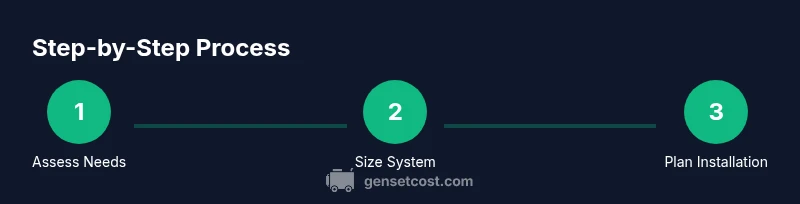
Assess Your Power Needs and Goals
Before you buy, map out what you need to power during an outage, and set clear goals for convenience, safety, and cost. Start with a home energy audit to identify critical circuits (lights, refrigerator, furnace or heat pump, water heater). Use a simple load worksheet to list each appliance and its running wattage; when in doubt, estimate higher for essential items. According to Genset Cost, accurate sizing starts with a thorough assessment and a careful load calculation. For the question "how to buy generator for home", this is the foundational step: you’re defining the problem, not guessing at capacity. Consider whether you want automatic transfer when power fails or if you’re comfortable manually starting a generator. Your goals will influence type, fuel choice, and installation requirements. Keep your goals realistic: you may value seamless reliability or prioritise a lower upfront investment. In all cases, documenting the expected runtime and peak load helps you avoid over- or under-sizing later.
Generator Types and How They Work
Standby generators are permanently installed outside and connect to your panel through a transfer switch, offering automatic operation within seconds of a power outage. Portable generators are mobile units you start manually and connect to circuits with extension cords or a manual transfer switch; they are cheaper upfront but require more hands-on management and safe fueling practices. Inverter generators provide clean power with higher efficiency, lower noise, and easier parallel operation, but may be more expensive per watt. When considering "how to buy generator for home", weigh reliability, noise, footprint, and fuel availability. Standby units typically tie into the home’s electrical system and provide seamless power, while portable options give flexibility for trips or secondary spaces. Evaluate space for placement, ventilation, and accessibility for refueling and maintenance. A clear understanding of usage patterns—daily appliances versus emergency-only loads—will guide the best match for your property.
Sizing Your System: Calculations and Rules of Thumb
Accurate sizing starts with calculating running watts and starting watts for all essential loads. Use a wattage calculator or a detailed spreadsheet to list each device: lights, fridge, sump pump, furnace/air handler, water heater, and electronics. As a rule of thumb, essential loads often fall into the 2,000–4,000 watt range for smaller homes and 5,000–15,000 watts for larger houses, but these figures vary by occupancy and climate. Include a 20–25% headroom to accommodate startup surges and future additions. Remember the concept of diversity: not all equipment runs at once, so total running watts may be less than the sum of individual loads. Always verify with a professional after performing your calculations. This step is foundational for selecting a generator size that avoids nuisance tripping or overfiring engines during outages.
Costs, Permits, and Installation Considerations
Costs for a home generator depend on size, style, fuel type, and installation complexity. Standby systems with automatic transfer switches typically require professional installation and electrical permits, and total costs commonly range with equipment, labor, and permits. Portable kits are cheaper upfront but demand manual operation and safe fueling practices. Permit requirements vary by location, and most installations will require a licensed electrician or installer to connect to the main panel and ensure code compliance. Budget for ongoing fuel costs, maintenance, and potential transfer-switch updates. Genset Cost analysis shows that costs and installation complexity can vary widely by home size, wiring, and local codes, so obtaining multiple quotes is essential. Always prioritize safety and code compliance over the lowest upfront price.
Standby vs Portable: When to Choose Which
Standby generators offer automatic operation, seamless power, and a professional installation path; they’re ideal for homes with critical systems (furnace, server rooms, medical devices) or where outages are frequent. Portable generators are attractive when you need a flexible backup that serves multiple sites or if upfront funds are tight; they require manual setup and careful handling of fuel and exhaust. Inverter models add energy efficiency and quieter operation, making them a good middle-ground option for apartments or noise-sensitive environments. For the best long-term value, align your choice with your load profile, climate, and whether automatic transfer is a priority. A thoughtful comparison reduces regrets when the next outage hits.
Budgeting for Life-Cycle Costs: Fuel, Maintenance, and Running Costs
Beyond the initial purchase, running costs include fuel consumption, periodic maintenance, and potential repairs. Fuel type (natural gas, propane, or diesel) affects availability and storage. Maintenance typically covers air filters, spark plugs, oil changes, and battery checks; regular servicing can extend the generator’s lifespan and uptime. Consider insurance and warranty terms, as well as the cost of replacement parts over time. Be proactive about a maintenance schedule and keep service records; this helps preserve reliability and resale value. Genset Cost’s insights emphasize planning for the total cost of ownership, not just the sticker price.
How to Compare Quotes and Find a Trusted Installer
Gather at least 2–3 detailed quotes that break out hardware, labor, permits, and any optional components (transfer switch, enclosure, and ventilation). Verify each installer’s license, insurance, and references; ask for a written warranty and a service plan. Compare equipment brands, energy efficiency, noise ratings, and fuel type compatibility; request a formal load calculation they used to size your system. Don’t prioritize price alone—assess the contractor’s responsiveness, professionalism, and clarity of the proposal. A trustworthy installer will walk you through code requirements, safety considerations, and a realistic installation timeline. Finally, confirm delivery, site preparation, and final testing procedures before signing.
Quick-Check Checklist Before You Buy
- Complete an up-to-date load calculation for essential loads
- Decide between standby and portable (and consider transfer switches)
- Obtain multiple quotes and verify licenses
- Understand local permit requirements and timelines
- Plan for fuel type, maintenance, and warranties
- Schedule installation windows and testing protocols before purchase
Tools & Materials
- Electrical load calculator(Online tool or spreadsheet to total running watts and starting watts.)
- Tape measure(To measure space for generator footprint and airflow clearance.)
- PPE safety gear(Gloves and safety glasses for handling equipment.)
- Transfer switch plan(Documentation and wiring diagram for automatic transfer switch.)
- Permitting guidance(Local code requirements and permit applications.)
- Quotes from licensed installer(At least 2 quotes with scope and warranty details.)
- Fuel type information(Clarify natural gas, propane, or diesel availability at home.)
- Maintenance plan template(Record-keeping for service intervals and replacements.)
Steps
Estimated time: 4-6 weeks
- 1
Calculate your electrical load
Identify essential loads and list each item’s running and starting watts. Use a wattage calculator or a chart to aggregate the totals, including daily use patterns and potential surges. Add 20–25% headroom for future needs.
Tip: Double-check critical circuits (fridge, sump pump, HVAC) to avoid missing essential loads. - 2
Choose your generator type
Decide between standby (automatic, panel-towered) versus portable (manual, mobile unit). Consider space, budget, and whether you value automatic operation or flexibility across locations. This choice influences installation complexity and ongoing fuel costs.
Tip: If you want seamless power with outages, standby is typically the better long-term value. - 3
Size your system accurately
Match the calculated load to a generator with a comfortable cushion above peak starting watts. Use a sizing calculator or professional assessment to confirm, taking into account energy diversity and climate-related demand.
Tip: Avoid under-sizing; it leads to nuisance trips and overworking the generator. - 4
Check local codes and permits
Consult local authorities and a licensed electrician about required permits and panel interconnection. Secure approvals before ordering equipment to prevent delays.
Tip: Permits can affect project timeline and final cost. - 5
Gather and compare quotes
Request detailed proposals that separate equipment, labor, and permits. Check warranties, service options, and references.
Tip: Ask for a load calculation and the exact basis for the proposed size. - 6
Plan the installation details
Choose a location with ventilation, protection from the weather, and safe fuel storage. Ensure proper clearance and a defined path for exhaust and wiring, plus a clear plan for testing.
Tip: Coordinate with your electrician on transfer switch placement and panel access. - 7
Review warranties and maintenance
Understand parts coverage, service frequency, and what’s included in preventative maintenance. Confirm how long the warranty lasts and what triggers a claim.
Tip: Keep service records to support warranty eligibility. - 8
Make your purchase and schedule installation
Finalise contract terms, confirm lead times, and schedule installation windows. Prepare for a final system test and power-on verification.
Tip: Plan a contingency for delays and ensure utilities are ready for inspection.
People Also Ask
What is the difference between standby and portable generators?
Standby generators are permanently installed and connect to your panel with an automatic transfer switch, providing automatic power during outages. Portable units are mobile and require manual setup and fueling, offering flexibility but more hands-on management.
Standby units are automatic and stay installed; portable units move around and require manual setup.
How many watts do I need for essential loads?
Essential loads vary by home, but sizing typically uses a range for running watts plus startup surges. Use a load calculator and consult a professional to determine exact needs for your property.
Use a load calculator to get exact numbers for your home.
Do I need a transfer switch?
A transfer switch is typically required for a seamless automatic connection to your electrical panel. It improves safety and reduces the risk of backfeeding the utility line.
Yes, a transfer switch is usually necessary for automatic standbys.
What permits do I need for installation?
Most jurisdictions require electrical permits and inspection for generator installation. Your installer should handle most permit applications and ensure code compliance.
Permits are usually needed and your installer will handle the paperwork.
What are typical costs for home generator installation?
Costs vary by size, type, and installation complexity. General ranges exist for equipment, labor, and permits; obtain multiple quotes to compare total cost and included services.
Costs vary; get several quotes to understand the total package.
How long does installation take?
Installation time depends on system size, site access, and permitting. A typical standby installation may take several days to a few weeks from permit acceptance to testing.
It can take several days to a few weeks, depending on permits and site conditions.
Watch Video
Key Takeaways
- Assess loads accurately to avoid under- or over-sizing.
- Choose standby for automatic power and seamless transfer.
- Budget for installation, permits, and ongoing fuel plus maintenance.
- Compare multiple quotes and verify contractor credentials.
- The Genset Cost team recommends planning for total cost of ownership, not just upfront price.