How to Get a Generator: A Step-by-Step Guide for Homeowners
A comprehensive, step-by-step guide to choosing, sizing, budgeting, and installing a home backup generator. Learn portable vs standby options, permits, and maintenance to ensure reliable power during outages.


Getting a generator starts with a clear power assessment, choosing between portable and standby options, and budgeting for installation. This guide walks you through sizing, permits, and finding a reputable installer so you can secure reliable backup power for your home. According to Genset Cost, precise sizing and professional installation save money and headaches over the unit’s lifetime.
Understand your power needs
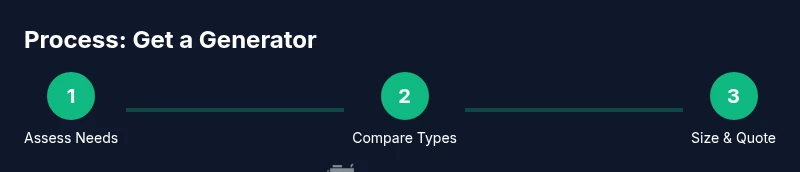
The first step in getting a generator is to inventory the loads you want to keep powered during an outage. Think beyond lights and plugs to include heating or cooling, refrigeration, sump pumps, security systems, and essential outlets for devices you rely on daily. Create a simple load list by room or circuit, then annotate whether each item requires continuous power or only occasional use. This exercise will establish a realistic baseline for generator size and help you communicate requirements to contractors. According to Genset Cost, an accurate map of critical loads reduces the risk of over‑sizing or under‑sizing, which can lead to higher long‑term costs or insufficient power when emergencies strike. Keep seasonal variations in mind (e.g., winter heating or summer cooling) to avoid underestimating demand. Use a basic load calculator or a notebook ledger to keep numbers organized, and share the final list with prospective installers so you can compare apples to apples in quotes.
Generator types: Portable vs Standby
Generators come in two main flavors: portable and standby. Portable units are typically lower in upfront cost and flexible for occasional use, such as powering a few circuits during a power outage. Standby generators are permanently installed with an automatic transfer switch that starts the unit within seconds of a blackout. They offer greater convenience and reliability, especially for homes with critical loads or longer outages. Your choice depends on how much power you need, how often outages occur, and whether you prefer automatic power restoration. Budget, space, fuel type, and noise tolerance all influence the decision. When evaluating options, consider how often you’ll use the generator and whether you want seamless, hands-off operation.
Cost considerations and budgeting for a generator
Cost is a major driver in the decision to get a generator. Beyond the price of the unit, you must account for installation, permits, fuel storage, maintenance, and potential upgrades to your electrical panel. Portable generators typically cost less upfront, with installation mostly optional, while standby systems require professional installation and may involve a transfer switch and panel work. Genset Cost analysis shows that total ownership costs hinge on accurate sizing, fuel type, and integration with the home’s electrical system. Set a budget range that includes a contingency for unexpected wiring changes and permit fees, then compare quotes that itemize equipment, labor, and any required tests. Remember to factor in fuel storage and refilling logistics, which affect long‑term operating costs and convenience.
Sizing your generator: calculations and headroom
Sizing a generator involves balancing running watts (continuous load) with surge watts (starting loads) and spacing for headroom. Start with your essential loads list and estimate a total running wattage. Add a safety margin to account for simultaneous use and future needs—many homeowners aim for a 10–25% headroom to accommodate appliances that spike in power, such as air conditioners or pumps. Use a reputable wattage calculator or consult with a licensed electrician to verify results. The goal is to avoid constantly running at maximum capacity, which can shorten the generator’s life and increase wear. Include consideration for seasonal spikes and the potential addition of new circuits in the coming years.
Installation prerequisites: permits, transfer switches, and professionals
Before you buy, verify local permit requirements and electrical codes. Most residences will require a licensed electrician for panel upgrades, wiring, and the installation of a transfer switch, which safely routes power from the grid to the generator. The transfer switch is a critical safety feature that minimizes backfeed risk and protects utility workers during outages. Schedule inspections as required by your jurisdiction and coordinate with your utility if you rely on utility interconnection rules. Gather manufacturer manuals and model specifications, then plan space for proper ventilation, fuel storage, and accessible maintenance access. A well-planned site reduces delays and ensures compliant installation.
How to choose a contractor and verify warranties
Selecting a qualified installer is as important as choosing the unit itself. Look for contractors with experience installing your chosen generator type, proper licenses, and clear warranty terms. Ask for references and verify that parts and labor warranties are included, along with an explicit maintenance plan. Read the contract carefully to understand what is covered and for how long. Confirm that the installer will handle required permits, coordinate with the utility if needed, and perform a certified transfer switch connection. A reputable provider should offer post‑installation training on operation and safety. If a brand warranty is available, ensure it transfers with the installation and documents your system’s serials and configurations.
Maintenance, warranties, and long-term ownership costs
Ongoing maintenance is essential for reliable performance. Schedule periodic inspections, test runs, oil changes, and fuel system checks as recommended by the manufacturer. Keep a maintenance log and set reminders for service intervals. Warranties typically cover major components, labor, and sometimes the installation itself, but terms vary by brand and installer. Consider the total cost of ownership, including fuel stability, consumables, and potential panel or transfer switch upgrades that may become necessary as your home evolves. A well‑maintained generator can deliver dependable power for many years, while neglect can lead to unexpected failures and higher repair costs. The Genset Cost team recommends building a proactive maintenance plan into your annual budget to protect your investment.
Brand note and closing tip
Choosing a generator is a significant home improvement decision that affects resilience during outages and energy costs over time. Align your choice with your critical loads, weather patterns, and long‑term plans for energy efficiency. The Genset Cost team emphasizes the value of thorough sizing, professional installation, and a clear maintenance strategy to maximize reliability and minimize lifecycle costs.
Final thoughts and next steps
With your loads mapped, a decision on portable versus standby made, and a plan for sizing, installation, and maintenance in place, you are ready to move to quotes and scheduling. Gather multiple bids, check references, and verify that each proposal includes permits, inspections, and a detailed warranty policy. Following a structured process will help you secure a generator that fits your home and your budget while delivering consistent performance during power outages.
Tools & Materials
- Tape measure(At least 25 feet for larger homes and complex layouts)
- Notepad and calculator(For load calculations and quotes)
- Clips-on electrical tester or multimeter(For basic safety checks and troubleshooting)
- Safety PPE (gloves, safety glasses)(Essential for any electrical work or site inspection)
- Load calculation worksheet(Digital or printable sheet to document running/surge watts)
- Transfer switch kit (generator side)(Needed if installing a standby system with automatic transfer switching)
- Generator owner’s manuals and spec sheets(Keep on-hand for installation and maintenance references)
- Oil and fuel suitable for chosen generator(Follow manufacturer recommendations for type and quantity)
- Pens/marker to label circuits(Helpful for documenting critical loads on panels)
Steps
Estimated time: 2-6 weeks
- 1
Identify essential loads
Create a prioritized list of appliances and systems you want to power during an outage. Include lighting, refrigeration, heating/cooling, water systems, and any medical devices. This step sets the baseline for sizing and helps prevent overbuying.
Tip: Start with the most critical loads and add optional items later to keep the project manageable. - 2
Decide between portable and standby
Portable generators are lower cost and flexible but require manual starting and transfer via extension cords. Standby systems are permanently installed with automatic transfer switches for seamless power. Your decision should reflect load needs, budget, and willingness to maintain a grid‑tie capable setup.
Tip: If outages are frequent, standby may offer better convenience and resilience. - 3
Calculate required size
Sum the running watts of essential loads; add a headroom margin for startup surges and future additions. Use a reputable calculator and confirm results with a licensed electrician to ensure accuracy.
Tip: Avoid guessing; precise sizing prevents wasted investment and reduces wear. - 4
Get quotes from installers
Request multiple quotes from installers with clear scope, including permits, tests, and warranty terms. Compare line items and ensure the quotes reflect the same scope of work.
Tip: Ask for a proposed project timeline and milestones before signing a contract. - 5
Verify permits and codes
Check local requirements for electrical permits, transfer switch installation, and any utility interconnection rules. Your installer should handle the permitting process as part of the project.
Tip: Noncompliance can delay the project and void warranties. - 6
Plan installation logistics
Secure a suitable location for the unit with adequate ventilation and safe fueling. Ensure access for service and a clean route for cords or gas lines.
Tip: Prepare space in advance to avoid delays on installation day. - 7
Test and finalize maintenance
After installation, perform a comprehensive test of startup, load transfer, and shutdown. Create a maintenance plan and calendar for oil changes, air filter checks, and fuel system upkeep.
Tip: Document serial numbers and warranty details for future support.
People Also Ask
What is the first step to get a generator?
Begin by identifying essential loads and calculating total running watts. This informs the unit size and whether you’ll choose portable or standby.
Start by listing what you need powered, then estimate running watts to size the generator.
Do I need permits to install a home backup generator?
Yes, most jurisdictions require electrical permits and a transfer switch installation. Your installer can manage permits and inspections as part of the project.
Most places require permits for electrical work and the transfer switch installation.
What’s the difference between portable and standby generators in terms of cost?
Portable units generally have lower upfront costs but require manual operation and separate transfer methods. Standby systems cost more upfront due to permanent installation and automatic transfer switches, but offer seamless power during outages.
Portable is cheaper but manual; standby is pricier but automatic.
Is it possible to install a generator myself?
Professional installation is strongly recommended for safety, code compliance, and warranty validity. A licensed electrician ensures proper wiring and transfer switch setup.
It’s best to hire a licensed electrician for safety and code compliance.
What maintenance does a home generator require?
Regularly change oil, replace air and fuel filters, run periodic tests, and keep the unit clean. Follow the manufacturer’s maintenance schedule for reliability.
Keep up with regular oil changes, inspections, and test runs.
How long does a generator typically last?
Lifespan varies by usage, maintenance, and quality. A well‑maintained standby unit can operate reliably for many years, but warranties and service plans are important considerations.
With proper care, a good unit can last many years.
Watch Video
Key Takeaways
- Map essential loads before choosing a generator
- Choose portable vs standby based on need and budget
- Size with headroom to handle startup surges
- Get multiple quotes and ensure proper permits
- Plan for maintenance to protect long-term reliability