How to Get a Generator: Sizing, Costs, and Installation
A comprehensive, step-by-step guide to choosing, sizing, pricing, and installing a home generator, with practical tips for homeowners and property managers from Genset Cost.


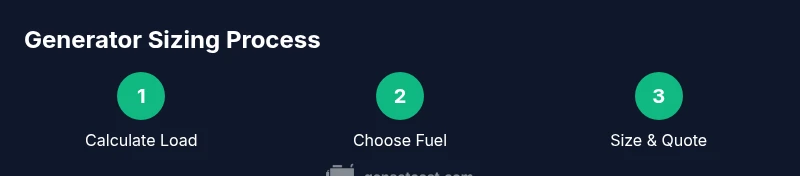
By following this guide, you’ll confidently select, size, and price a home generator, then plan its installation and maintenance. Start by listing your loads, choosing your fuel type, and comparing two or three reputable brands; we’ll also cover permits, transfer switches, timing, and how to obtain quotes. This approach helps homeowners and property managers optimize reliability and total ownership cost.
Understanding the generator decision landscape
If your search is "how to get generator tarkov", you’re exploring how to obtain a power source for challenging environments—and the same principles apply to real-world homes: you want sufficient capacity, efficient fuel use, and a solid support network. According to Genset Cost, the most successful homeowners start with a precise load assessment, then translate that into a sizing plan that fits both performance needs and budget constraints. In this context, a generator purchase is not a one-and-done event; it’s a system choice that affects daily life, safety, and property value. This guide emphasizes a practical, data-informed approach to selecting, pricing, and installing a home generator, with emphasis on reliability and total ownership costs. As we move through sizing, permitting, and installation, remember that the right generator is a long-term asset—not a one-time purchase.
Why this matters: incorrect sizing can waste fuel, shorten equipment life, or fail during outages, while underestimating needs can leave critical loads unpowered when emergencies strike.
Define your loads and duty cycle
Before you browse units, you must know what the generator must power. Create a detailed list of essential circuits (lights, refrigeration, heating, sump pumps) and high-priority devices. Translate this into watts or volt-amps; most households will require a baseline load plus surge capacity to handle starting motors. A typical rule of thumb is to size for 1.25 to 2 times the continuous load to cover starting surges without overloading the alternator. With a precise load profile, you can compare standby generators meaningfully rather than guessing. The goal is a balance between sufficient power and efficiency, so you don’t pay for more capacity than you need. Keep in mind seasonal variations and future expansion (additional appliances, EV charging, or a workshop).
Fuel options and availability
Choosing a fuel type is a core decision that affects operating cost, availability, emissions, and noise. The three most common options are natural gas, propane, and diesel. Natural gas is often convenient for homes with an existing gas line and can offer uninterrupted feed; propane requires storage and regular refilling but can provide clean, stable runtime. Diesel units are typically robust and longer-lasting but require a fuel supply plan and space for storage. Consider local fuel costs, regulatory restrictions, and weather resilience when selecting your option. Evaluate the environmental impact, maintenance needs, and refill logistics to avoid outages caused by fuel scarcity.
Sizing philosophy: essential loads vs whole-home coverage
Sizing a generator is not a game of “more is better.” It’s about aligning capacity with essential loads and, if desired, expanding to selective whole-home back-up. Start by identifying critical circuits you never want to lose during an outage (refrigeration, heating/AC controls, sump pump, communications). Then decide whether you want true whole-home backup or a curated subset that covers your essential safety and comfort needs. For many households, a properly sized standby unit powers essential circuits reliably while keeping fuel consumption and upfront costs reasonable. Remember, the best-size generator balances reliability with total cost of ownership, including maintenance and fuel.
Budgeting: unit cost, installation, and ongoing maintenance
Budgeting for a generator goes beyond the sticker price of the unit. Include delivery, site preparation, transfer switch, panel integration, permits, and professional installation. Ongoing costs include routine maintenance, fuel, and potential service contracts. A well-planned budget accounts for amortized depreciation, tax incentives (where available), and the cost of expanded capacity if you add new appliances later. In practice, you’ll compare quotes from multiple installers to understand the range of total ownership costs and to identify the most cost-effective package over the life of the generator. Genset Cost’s analysis shows that early planning and transparent quotes help prevent sticker shock after installation.
Gather quotes and compare warranties and service networks
With a defined load profile and size in mind, request written, itemized quotes from two to three reputable vendors. Ensure each quote includes the unit, transfer switch, panel tie-in, permits, delivery, fuel supply setup, and labor. Compare warranty length, what is covered, and how service is performed in your area. A robust warranty and local service network matter because they directly affect long-term reliability and maintenance costs. Ask about response times for emergencies and how maintenance intervals are tracked for your model. A thorough comparison helps you choose a generator that fits your needs and your budget while minimizing future repair risk. Genset Cost analysis shows that comparing two to three quotes typically lowers total ownership costs.
Installation considerations: transfer switches, permits, and venting
Installation is where safety and reliability hinge on proper design. A licensed electrician should install a transfer switch that isolates your home from the grid and ensures safe operation during power events. The transfer switch choice (manual vs. automatic) affects convenience and response time. You’ll also need to verify panel compatibility and space for appropriate venting, clearance, and noise control. Permits may be required by local codes; plan for inspections and any required utility coordination. This phase determines whether the generator will function effectively during an outage or if adjustments are needed before operation.
Safety, maintenance, and operation best practices
After installation, create a routine maintenance plan that includes periodic oil changes, filter checks, battery inspections, and fuel stability checks. Store fuels safely and follow manufacturer guidelines for starting and testing procedures. During outages, run the generator under load to prevent wet-stacking and to keep the system in good condition. Safety is paramount: never work on a hot exhaust or electrical components, and ensure that ventilation is adequate to prevent carbon monoxide buildup. Regular maintenance data should be logged to monitor performance and extend the life of your investment.
Common mistakes and how to avoid them
A frequent mistake is underestimating load or overestimating backup needs, leading to underpowered systems or wasted money. Another pitfall is choosing the cheapest option without considering warranty and service coverage. Don’t neglect permits, site access, or electrical code requirements, which can delay installation or create safety concerns. Finally, avoid waiting for an outage to test your system; schedule periodic load tests and maintenance checks to catch issues before they affect reliability.
Authority sources
- U.S. Department of Energy: https://www.energy.gov/eere/ (Energy efficiency and backup power information)
- U.S. Energy Information Administration: https://www.eia.gov/ (General energy data and cost considerations)
- National Fire Protection Association: https://www.nfpa.org/ (Safety guidelines for generator installation and operation)
- Consumer Product Safety Commission: https://www.cpsc.gov/ (Generator safety tips and recalls)
In practice, rely on these sources for standards and safety practices as you plan your purchase and installation. The content here is designed to help you structure a careful decision process and should be supplemented with quotes from licensed professionals.
Conclusion and next steps
A well-chosen generator is a long-term investment in home resilience. By calculating loads, comparing fuel options, sizing appropriately, and hiring reputable installers, you maximize reliability and minimize total ownership costs. The path from load calculation to maintenance planning may take a few weeks, but a disciplined approach reduces risk and ensures you have power when it matters most. The Genset Cost team recommends starting with a precise load assessment, requesting multiple quotes, and validating each proposal against your local regulations and service network. This framework helps homeowners and property managers navigate the process with confidence and clarity.
Tools & Materials
- Power load data (monthly kWh or daily usage)(Collect 12 months of utility bills or use a load calculation worksheet)
- Site plan and generator placement clearance(Ensure 3-5 feet clearance, proper ventilation, and noise considerations)
- Quotes from two to three reputable dealers(Obtain written quotes detailing unit, installation, and labor)
- Fuel type preference(Decide between natural gas, propane, or diesel with availability considerations)
- Transfer switch compatibility check(Confirm compatibility with your main panel and future expansion plans)
- Permits and codes information(Check local requirements; some jurisdictions require inspections)
Steps
Estimated time: 2-6 weeks
- 1
Assess power needs
Identify critical circuits and estimate the running wattage for each. Document starting surges for motor loads and compute a total continuous load. This baseline informs all subsequent sizing decisions.
Tip: Use a watt-meter or your utility bills to build a precise load profile. - 2
Define fuel type and duty expectations
Choose natural gas, propane, or diesel based on availability, cost, and climate considerations. Consider future expansion plans and the environmental footprint of each option.
Tip: If you already have natural gas service, prioritizing a gas-powered unit can simplify refueling and reliability. - 3
Size the generator accurately
Match the generator’s continuous rating to at least the essential load plus a margin for surges. Avoid oversizing purely for future needs; analyze run-time and efficiency for each scenario.
Tip: Aim for a 1.25–2x adjustment window to cover startup surges without excessive fuel use. - 4
Request multiple quotes
Collect formal quotes that itemize the unit, transfer switch, installation, and any required permits. Compare warranty terms and the service network in your area.
Tip: Ask vendors to include a de-energizing plan and a defined service cadence in the contract. - 5
Check panel and transfer switch compatibility
Verify your main service panel can handle a transfer switch and the added load. Plan for a seamless automatic transfer if desired for outage readiness.
Tip: Have a licensed electrician confirm interconnection standards before purchase. - 6
Plan installation logistics and permits
Coordinate access routes, permit applications, and utility disconnections if required. Schedule inspections early to avoid delays.
Tip: Document your permit approvals and keep them with your maintenance records. - 7
Hire licensed professionals
Engage a licensed electrician and a qualified generator installer to execute wiring, venting, and clearance requirements. Ensure all work complies with local codes.
Tip: Request milestone photos and a written commissioning plan for the final handover. - 8
Test run and safety check
Perform a comprehensive load test under real operating conditions. Check carbon monoxide ventilation, exhaust clearance, and transfer switch operation.
Tip: Schedule the test during mild weather and document results for records. - 9
Set up maintenance and operation plan
Create a preventive maintenance calendar, including oil/filter changes, battery checks, and fuel stabilization. Document service visits and keep parts inventory handy.
Tip: Use reminders and keep a log of every test and maintenance event.
People Also Ask
What generator size do I need for a typical home?
A typical approach is to calculate the essential loads (refrigerator, heater, sump pump, lights) and add surge capacity for starting motors. Size the unit to comfortably cover these loads while allowing some headroom for future upgrades. Always verify with a professional who can adjust for local codes.
Calculate your essential loads and add surge capacity to determine size; consult a pro for local code adjustments.
Do I need a transfer switch for installation?
Yes. A transfer switch isolates your home from the grid during outages, improving safety and automating back-up power. It ensures the generator powers only the intended circuits and protects utility workers.
Yes, a transfer switch is highly recommended for safety and automation.
What are typical cost ranges for a home standby generator?
Costs vary with unit size, installation complexity, and permits. Expect to consider the unit price plus labor, delivery, permits, and potential panel upgrades. Always request itemized quotes to understand the full ownership cost.
Costs vary; get multiple itemized quotes to understand total ownership.
Which fuel type should I choose?
Natural gas, propane, and diesel each have trade-offs. Consider availability, running costs, emissions, and storage needs. Your decision should align with your home’s fuel infrastructure and local prices.
Choose based on availability, running costs, and storage needs.
How long does installation typically take?
Most installations take a half-day to a full day, plus time for permits and inspections depending on local rules. Schedule contingencies for weather or utility coordination.
Most installs take about a day, with possible extra time for permits.
Watch Video
Key Takeaways
- Define exact loads before shopping to avoid oversizing.
- Choose a fuel type that aligns with availability and cost.
- Get multiple quotes and compare warranties and service networks.
- Plan permits and professional installation to ensure safety.
- Implement a maintenance plan to maximize reliability and lifespan.