How to Fix a Generator: A Practical Home Guide
Learn a safe, practical approach to diagnosing and repairing common generator problems. This Genset Cost guide covers tools, steps, and maintenance tips for homeowners managing backup power.


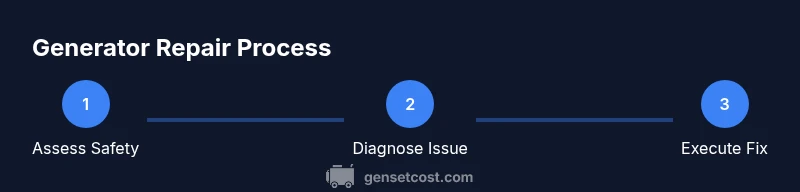
How to fix a generator involves a safe, methodical approach: identify symptoms, rule out common causes, and perform targeted checks on fuel, air, ignition, and electrical systems. Start with safety, gather the right tools, and follow a troubleshooting path to determine whether a repair is feasible or if professional service is needed. This guide walks you through the steps.
Why Fixing a Generator Safely Demands a Plan
In residential and property-management contexts, knowing how to fix generator safely is essential. The goal is to restore backup power quickly without compromising your safety or the integrity of the unit. This article provides a practical, plan-driven framework to approach generator repair, including how to recognize symptoms, assess risk, and follow a repeatable process that you can apply to most models. By understanding the core subsystems—fuel, ignition, air, exhaust, and electrical paths—you can diagnose root causes rather than chasing symptoms. The core idea behind the question of how to fix generator is to apply a disciplined method: observe, test, isolate, and verify. This approach reduces guesswork and minimizes the chance of creating new problems during repair. For homeowners and property managers, investing time in a documented routine pays off during outages, helps protect property, and extends the life of backup power equipment. The guidance here is practical and non-brand-specific, so you can adapt it to your model and fuel type. This guidance aligns with Genset Cost Analysis, 2026 guidelines, to offer a safe, modern path to restore power with minimal risk or unnecessary costs. By building a mental model of the generator as an integrated system, you’ll improve your diagnostic accuracy and your confidence in deciding what repair makes sense.
Safety Protocols Before You Start
Working with generators involves fuels, hot metal, moving parts, and electrical circuits. Before you touch anything, enforce a safety-first routine. Disconnect the spark plug wire, remove the battery, and if you must work on the carburetor, drain the fuel—never run the engine indoors or in an enclosed space. Wear ANSI-rated gloves, eye protection, and sturdy footwear. Set up in a well-ventilated area and keep a fire extinguisher rated for electrical and fuel fires nearby. Remove children and pets from the workspace. If you notice strong fuel vapors, hear unusual noises, or see smoke, stop immediately and reassess. A solid safety foundation minimizes risk and protects you and your equipment during repair. Remember to follow any local regulations and manufacturer recommendations for the unit you own.
Diagnostic Framework: Symptoms and Likely Causes
Start with observable symptoms (won’t start, runs erratically, overheats, blows fuses) and map them to potential root causes. Typical failure modes fall into four broad categories: fuel delivery issues (stale fuel, clogged line, carburetor), ignition problems (bad spark plug, faulty coil), air and exhaust restrictions (clogged air filter, blocked exhaust), and electrical faults (bad wiring, dead battery, failed switch). This diagnostic framework helps you prioritize checks and avoid unnecessary replacements. For example, a generator that cranks but never fires may point to ignition or fuel delivery, while one that runs briefly and dies may indicate carburetion or overload protection. Always verify basic conditions first—fuel supply, battery charge, and oil level—before deeper testing. Document every observation to track patterns and support future maintenance decisions. In authenticity, this guidance reflects general best practices for generator maintenance and repair as summarized by industry analyses from 2026.
Troubleshooting Pathways: From Symptoms to Solution
When you learn how to fix generator problems, you’ll follow a decision tree rather than random checks. If the engine won’t start, confirm fuel availability, kill-switch status, and spark plug condition. If there’s no power at outlets, inspect the transfer switch, outlet, and wiring from the generator to the load. For overheating or unusual noises, inspect cooling surfaces, belts, and exhaust paths; a noisy unit may indicate mechanical wear or loose components. Use a process to isolate subsystems: test the ignition system separately, test the fuel system separately, and test electrical outputs with a multimeter where appropriate. Always correct any safety issues (fuel leaks, loose connections) before re-running tests. If symptoms persist after targeted checks, escalate to professional service with a clear history of tests performed, parts inspected or replaced, and any error codes observed. This structured path helps you make informed repair decisions rather than guessing.
Maintenance Practices That Prevent Breakdowns
Prevention is the best strategy for reliable backup power. Regular maintenance reduces the likelihood of sudden failures and extends service life. Schedule routine inspections for fuel quality and line integrity; use fresh gas and appropriate stabilizers for extended storage. Change the oil according to manufacturer guidelines and replace the air filter when it becomes restricted. Check the battery state of charge and clean terminals to prevent corrosion. Inspect spark plugs for wear and proper gap and replace as needed. Keep cooling fins clean to prevent overheating, and ensure the exhaust path is free of obstructions. Finally, store fuel in approved containers and ventilated spaces. By incorporating these practices into a maintenance calendar, you decrease downtime during outages and maintain readiness for emergencies. This section aligns with general maintenance advice for home backup generators and reflects considerations highlighted in the 2026 Genset Cost analyses.
What to Do If You Cannot Resolve the Issue
If troubleshooting doesn’t resolve the problem, it’s time to consider professional help. Document your findings, including test steps taken, component checks, and any disassembly performed. Share photos of wiring diagrams or control panels if available, and note any codes or abnormal readings. When you hire a technician, ask for a written diagnosis, a list of recommended parts, and an estimated repair timeline. If your unit is under warranty or a service plan, review what’s covered and what isn’t. For ongoing outages or critical loads, consider temporary rental options or a transfer-switch assessment to ensure your home remains powered while repairs are scheduled. This guidance helps you decide when to step back from DIY repair and enlist skilled support without unnecessary delays.
Tools & Materials
- Spark plug wrench(For checking/replacing spark plugs)
- Digital multimeter(To test electrical circuits and battery)
- Screwdrivers (Phillips and flathead)(General disassembly and component access)
- Pliers (needle-nose and locking)(Grip hoses, wires, and small parts)
- Wrench set (metric and SAE)(Tighten/loosen nuts and fittings)
- Oil and oil pan(Check/change engine oil per spec)
- Funnel(Fill oil/fuel safely)
- Clean rags and solvents(Clean spills and degrease parts)
- Fuel stabilizer and fresh gasoline(Prevent gumming in storage)
- Carburetor spray or cleaner(Only if carburetor cleaning is needed)
- Battery charger or jumper cables(Restore or test battery charge)
- Gloves, eye protection, and hearing protection(Personal safety gear)
- Fire extinguisher (class B/C)(Fuel and electrical fire safety)
- Owner’s manual or service guide(Model-specific guidance)
Steps
Estimated time: 60-90 minutes
- 1
Prepare and safety-check
Identify the model and read the manual. Wear safety gear and disconnect power and spark source. Ventilate the area and remove燃 fuels if you’ll be handling the carburetor or electrical panels.
Tip: Always confirm the unit is unplugged and the battery disconnected before touching any live circuits. - 2
Inspect fuel system
Check fuel level, quality, and lines for clogs. Replace old fuel with fresh gasoline and stabilize if storing. Inspect the fuel filter and carburetor for deposits.
Tip: Stale fuel can cause hard starts and varnish deposits. - 3
Check ignition components
Examine spark plug condition and gap; test for spark. Inspect ignition coil and wiring for cracks or corrosion. Replace faulty plugs or damaged wiring as needed.
Tip: A fouled or worn spark plug is a common cause of no-start conditions. - 4
Assess air and exhaust paths
Inspect air filter for blockage; clean or replace. Ensure the exhaust is unobstructed and that there’s adequate cooling airflow around the unit.
Tip: A restricted air path or dirty filter reduces performance and can cause overheating. - 5
Evaluate electrical system
Check battery charge, terminal cleanliness, and tight connections. Use a multimeter to verify voltage output at the outlets. Inspect transfer-switch wiring if present.
Tip: Loose connections are frequent culprits for intermittent power. - 6
Run a controlled test
Reconnect power, prime if required, and start the unit with no load. Observe for starting reliability, unusual sounds, or overheating. If it runs, apply a light load and watch performance.
Tip: Never apply full load during the first restart after repairs. - 7
Document and plan next steps
Record observations, tests, and any parts replaced. Decide whether to continue DIY maintenance or schedule professional service based on stubborn issues or warranty considerations.
Tip: Having a repair log simplifies future maintenance and resale value. - 8
Plan maintenance routine
Set a calendar reminder for routine checks (fuel quality, oil, air filter, battery). Keep spare parts and fuel stabilization on hand. Review manufacturer recommendations.
Tip: Preventive care is cheaper than emergency repairs.
People Also Ask
What should I check first if my generator won’t start?
Begin with the basics: fuel availability and quality, battery charge, and oil level. If the spark plug is fouled or if the switch is off, correct those issues before delving deeper.
Check fuel, battery, and oil first; if it still won’t start, reassess ignition and electrical connections.
Can a clogged air filter cause a generator to stall?
Yes. A blocked air filter restricts airflow, causing rich fuel mixture, overheating, and stalling. Replace or clean the filter as part of routine maintenance.
A clogged air filter can cause stalling; replace it and re-test.
Is it safe to repair a generator myself?
Many fixes are safe for DIY, especially routine maintenance and non-technical checks. Complex electrical issues, fuel system repair, or internal engine work may require a licensed technician.
DIY is okay for simple tasks, but leave risky electrical and internal engine work to pros.
How often should I perform generator maintenance?
Follow the manufacturer’s schedule, typically including periodic oil changes, filter replacements, and battery checks. For storage, add fuel stabilizer and test runs to ensure readiness.
Stick to the manufacturer’s maintenance schedule and test runs.
What tools do I need to fix common generator issues?
A basic toolkit plus a spark plug wrench, multimeter, and fuel/oil supplies covers most common repairs. Keep extra spark plugs and filters on hand for quick replacements.
You mainly need a spark plug wrench, multimeter, and basic hand tools.
Watch Video
Key Takeaways
- Follow a safety-first framework before attempting repairs.
- Diagnose by symptoms and map to fuel, ignition, air, and electrical subsystems.
- Use a structured step-by-step plan to avoid guessing.
- Maintenance is cheaper than emergency repairs and extends life.